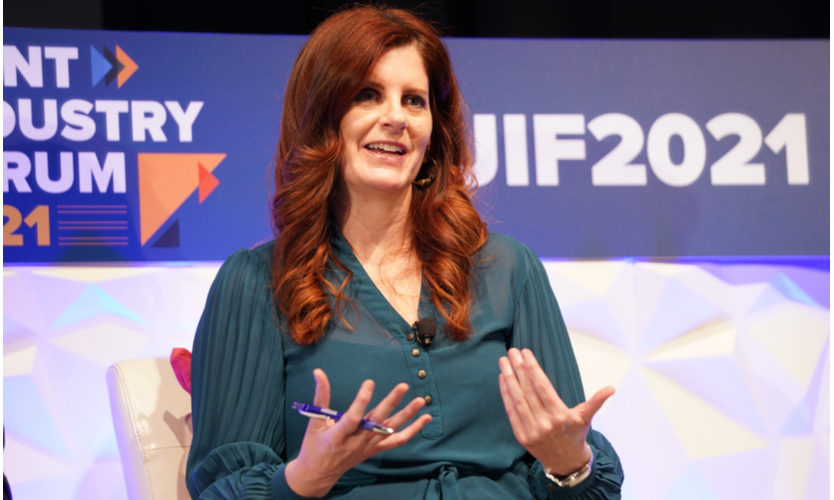
Cyber remains attractive, profitable to insurers: Panelists

Cyber remains attractive, profitable to insurers: Panelists

Cyber insurance is projected to grow because it has been largely profitable for insurers and is seen as insurable by reinsurers, even as ransomware attacks accelerate, panelists said Thursday at the Insurance Information Institute’s Joint Industry Forum 2021 in New York.

They also suggested that the federal government play a greater role in the cyber insurance sector, particularly through increased information sharing.

By 2026, insurers will be writing $28 billion in cyber insurance gross written premiums, according to Paul Miskovich, New York-based chief underwriting officer for Evertas Inc., an underwriter of crypto-asset and blockchain-related risks.

Mr. Miskovich added that insurers will continue to write cyber insurance because it has been generally profitable. “It’s been profitable almost every year in the marketplace for most insurers,” he said.

Catherine Mulligan, global head of cyber in New York for Aon PLC’s Reinsurance Solutions business, said reinsurers are committed to the cyber sector and see the risk as insurable. She added that Aon is seeing some new reinsurers considering entering the market on a limited basis. Reinsurers have also made certain adjustments to capacity as they refine their understanding of the sector, she said.

While cyber insurance has been profitable for the insurance industry, ransomware is quite profitable for bad actors, according to Chris Beck, managing director in Chicago for Milliman Inc.’s cyber risk solutions practice group. “We’ve seen a large increase in ransomware attacks because they are lucrative — they are good business for cybercriminals.”

Ms. Mulligan added that cybercriminals are also becoming more automated, increasing the number of potential attacks and losses.

Moderator Dale Porfilio, chief insurance officer in New York for the Insurance Information Institute, began the session by asking if there is a role for government in the cyber insurance sector, using the federal roles in flood and terrorism insurance as examples. “We’re at that point,” he said.

“The government has more information than any one company and has intelligence operations no company” can match or replicate, Mr. Beck said.

Ms. Mulligan advocated for increased information sharing among stakeholders and suggested government might play a role in this effort by helping establish a central source for aggregated data. “Actuaries need better information” to make more informed decisions about cyber exposures and underwriting, she said.

Mr. Miskovich added that such sharing of information could be facilitated by data standardization and that the industry should “support all opportunities for data standardization.”

The Insurance Information Institute was acquired last year by The Institutes, a Malvern, Pennsylvania-based provider of education and research in risk management and property/casualty insurance.

Fed Survey Finds Supply-Chain Shortages Boosting Inflation | Business News

Fed Survey Finds Supply-Chain Shortages Boosting Inflation | Business News

By MARTIN CRUTSINGER, AP Economics Writer

WASHINGTON (AP) — Many parts of the country were hit by supply chain disruptions and labor shortages in November, the Federal Reserve reported Wednesday.

In a survey of business conditions around the country, the Fed’s 12 regional banks found that the economy continued to grow at a modest-to-moderate pace, and the outlook for future growth remains positive.

But some of the Fed’s some business contacts expressed uncertainty about when the problems presented by supply chain bottlenecks and labor shortages might begin to ease.

In part because of the supply chain problems, price increases were reported to be widespread across the economy.

Political Cartoons

“There were wide-ranging input cost increases stemming from strong demand for raw materials, logistical challenges and labor market tightness,” the Fed’s report, known as the beige book, said.

The Fed survey, which is based on interviews with business contacts last month in all 12 of the Fed’s regional bank districts, will form the basis for discussions when central bank officials hold their final meeting of the year on Dec. 14-15.

In congressional testimony this week, Federal Reserve Chairman Jerome Powell said the central bank is prepared to speed up the pace of the pullback of the easy-money policies it has been using to support the economy for the past 20 months.

The Fed had been buying $120 billion in Treasury bonds and mortgage-backed securities since the spring of 2020. At its meeting last month, the central bank announced that it would start to trim those purchases, which serve to keep long-term interest rates low, by $15 billion in November and another $15 billion in December.

Powell’s comments this week indicated the Fed may announce at its December meeting that it will make larger monthly reductions in the future so that the bond purchases can be totally ended earlier than the June end-date which had been expected.

That would clear the way for the Fed to begin raising its benchmark interest rate, which was reduced to a record low of 0{1b90e59fe8a6c14b55fbbae1d9373c165823754d058ebf80beecafc6dee5063a} to 0.25{1b90e59fe8a6c14b55fbbae1d9373c165823754d058ebf80beecafc6dee5063a} in early 2020.

Both the ending of the bond purchases and the start of interest rate hikes would be expected to raise borrowing costs for consumers and businesses as a way to slow the economy and fight inflationary pressures.

Powell made his comments as inflation has surged to a three-decade high, largely because the pandemic has limited supplies at a time when the re-opening of the economy has led to high demand.

The Fed report said that companies were complaining about “persistent difficulty in hiring and retaining employees” with many leisure and hospitality firms still limiting operating hours due to a lack of workers.

The report said businesses had heard a variety of reasons for the labor shortages. Those included the lack of childcare, retirements, and continued safety concerns revolving around the persistence of COVID cases. The survey was conducted before the emergence of the new omicron variant.

“Nearly all districts reported robust wage growth,” the Fed said. “Hiring struggles and elevated turnover rates led businesses to raise wages and offer other incentives, such as bonuses and more flexible working arrangements.”

Copyright 2021 The Associated Press. All rights reserved. This material may not be published, broadcast, rewritten or redistributed.

8 Ways to Make Your Holiday Meal More Affordable

8 Ways to Make Your Holiday Meal More Affordable

Many families and friends get together to celebrate, spend time together, and share a meal during the holiday season. However, due to inflation, food is more expensive this year. If you’re worried about the financial aspect of putting together a nice holiday meal, we have some ideas that may help you save money. You don’t have to spend a lot to make the holidays special, and by making a few changes, you can pay less and still have a delicious meal. Here are eight ways to make your holiday meal more affordable.

1. Shop with a list

When you don’t have a list, it can be easy to buy more than you need and forget essential ingredients. Before you head to the store to get your holiday meal ingredients, make a shopping list. That way, you’ll have a plan, which can help you spend less and make your shopping experience a lot easier.

2. Compare prices between stores

Before you head out to shop, it’s a good idea to look at sales flyers for stores in your area and compare prices on the items you need to buy. Most stores put popular holiday meal items on sale leading up to the holiday. If you have several stores near your home, you can compare prices and buy the cheapest items at each store. Just be sure to consider the cost of gas and the distance between stores before driving all over town.

3. Don’t ignore generic brands

While shopping, take a look at the cost of generic brand items and compare them to the cost of name-brand items. In many cases, store-brand products are a lot cheaper than name-brand products. Purchasing generic ingredients can offer significant savings, and no one will know the difference.

4. Use cash back apps

Cash back apps offer an easy way to earn cash back on your purchases. These mobile apps are simple to use, and they offer cash back at many popular grocery stores and other stores. The more you use these apps, the faster your earnings will add up. Once you meet the minimum cash-out amount, you can withdraw the funds you’ve earned. You can then use these funds for a future shopping trip.

5. Host a potluck dinner

If you’re hosting this year, consider suggesting a potluck dinner where everyone brings one dish. A potluck dinner makes for a fun experience because everyone gets to contribute, and it also lessens the financial burden for everyone. If you want to keep things organized, start a group chat and have everyone communicate ahead of time about what dish they plan to bring.

6. Buy some dishes premade

It may be cheaper to buy some prepared dishes. For example, desserts may cost less at your local grocery store. If you don’t bake often, it can be costly to stock up on all the baking ingredients that you need. Many grocery stores sell inexpensive premade dessert items. You can save money and spend less time preparing your meal.

7. Create new traditions

You may think a holiday meal has to include certain dishes, but that’s not the case. You have the freedom to be creative as you plan your next meal. There are no rules that say you need to eat turkey or ham. Why not start a new tradition this year? You can get your family involved to make the planning process more fun, and it may save you some money, too.

8. Don’t be afraid to accept help

Community resources can be helpful, especially during the holiday season. Check your local community groups to see what they’re doing to help families prepare for the holidays. Some organizations will give out ingredients, full meals, or gift cards to help you buy what you need. Don’t feel embarrassed to take advantage of these resources. They exist for a reason and they can make the busy holiday season less stressful.

Your holiday meal doesn’t have to be fancy, traditional, or expensive. By getting creative and changing your shopping habits, you can make your next holiday meal more affordable. We have more personal finance resources to help you make more informed financial choices.

International Finance Forum Releases Global Finance and Development Report 2021

International Finance Forum Releases Global Finance and Development Report 2021

GUANGZHOU, China, Dec. 3, 2021 /PRNewswire/ — International Finance Forum (IFF) today released the Global Finance and Development Report 2021 (GFDR) and Global Green Finance Development Index (GGFDI) along with country rankings.

“This is the first year that IFF is releasing the GFDR report and it will be released annually during IFF global meeting in the future,” introduced Zhuang Juzhong, chief economist of IFF and a former deputy chief economist of the Asian Development Bank. “The report aims to provide an annual assessment of global economic trends and prospects, financial development and innovation, and address long-term challenges and policy issues based on cross-country data, and eventually, promote international discussion and cooperation,” added Zhuang.

The GFDR consists of three chapters:

Chapter 1: Global economic outlook, risks and policy priorities. This chapter provides the latest updates on the COVID-19 pandemic and recent global economic development, and assesses the economic outlook, risks, and policy priorities. It encourages the global community to work together to speed up the vaccination rollout and eliminate vaccine inequality, ensure a smooth monetary policy transition, end trade tensions, promote green recovery, and support low-income countries.

Chapter 2: Global green finance development index and country rankings. This chapter focuses on recent global developments of green finance and launches GGFDI with country rankings. Jointly developed by IFF and the Central University of Finance and Economics in China, GGFDI applies a quantitative measure of progress in developing green finance at the country level and focuses on three areas: policy and strategy, product and market, and international cooperation. The GGFDI also provides rankings in green finance development of the world’s 55 largest economies as of the end of 2020.

Chapter 3: Roadmap to global carbon neutrality and China’s actions. This chapter reviews and assesses the measures on transformation of global energy systems and industrial sectors, and policy measures required to achieve the 2°C and 1.5°C climate targets set by the Paris Agreement. It also summarizes China’s technical solutions and policy options for achieving dual carbon goals.

With the launch of GFDR and GGFDI, IFF is encouraging more global discussions on policies needed to end the pandemic, reduce risks to the global economic recovery, promote green investment, fight against climate change, and make development more inclusive and sustainable.

For the full report, please visit: http://iff.org.cn/uploads/2021GAM/GFAD-report20211202.pdf

SOURCE International Finance Forum (IFF)

Finance jobs: All your options

Finance jobs: All your options

Finance jobs can offer practical experience, in a diverse set of roles, for graduates with strong financial and analytical skill sets. Graduates may apply their industry knowledge and explore a broad range of finance careers. 

From accountants and economic analysts to other fulfilling career options, such as investment bankers and portfolio managers, the opportunities are limitless.

What’s it like to work in a finance job?

Personal finance, corporate finance, and government finance are widely recognized as the three finance subfields. Other subfields include investments, money and credit markets, and financial management. 

Graduates and working professionals can pursue careers in corporate financial management, securities analysis, and commercial lending, along with several other financial career institutions. Finance professionals typically interact with attorneys, accountants, and insurance agents. In the right work setting, both introverts and extroverts can enjoy rewarding financial jobs and long-term careers. 

Finance job seekers may seek remote opportunities as financial analysts, financial advisors, accountants, and other offsite career opportunities. Industry professionals may work between 50 and 70 hours per week. Investment bankers may log as many as 70 to 100 weekly hours. Long hours can contribute to burnout. 

Salaries range from $61,000 to $137.000 plus. Finance professionals are driven by a lively, exciting, and challenging workplace with advancement opportunities and unlimited career opportunities around the world.

Finance career options

The finance industry is ever-growing for those who possess a finance degree and strong analytical and accounting skills. Explore your finance career options below and check out the best online finance master’s programs.

Accountant

Minimum degree level required: Bachelor’s

Salary expectations: $73,560

Good fit for individuals who: 

  • Are organized professionals
  • Are skilled at working with numbers
  • Possess strong analytical skills
  • Like collaborating with diverse clientele
  • Are current with accounting trends

Accountants assemble, examine, validate, and organize financial documents. They also monitor the organization’s cash inflow and expenditures and ensure the legalities of financial transactions. Accountants operate with integrity, comply with accounting control procedures, and resolve accounting discrepancies.

Actuary

Minimum degree level required: Bachelor’s

Salary expectations: $111,030

Good fit for individuals who: 

  • Are detailed-oriented professionals
  • Are organized and self-motivated
  • Possess strong project management skills
  • Possess advanced statistical analysis and database manipulation training

Actuaries investigate financial outcomes and risk. They also apply financial theory alongside math and statistical data to examine the uncertainty of events and reduce their organization’s risk. Actuaries assist top executives with preparation for risk management, strategic solutions, and company-wide growth.

Budget analyst

Minimum degree level required: Bachelor’s

Salary expectations: $78,970 

Good fit for individuals who: 

  • Possess advanced mathematical and analytical skills
  • Have strong knowledge of economic trends
  • Are well-versed in financial markets and banking
  • Are experienced in resource allocation 

Budget analysts prepare income statements, balance sheets, and cash flow statements. Additionally, budget analysts review the organization’s accounting documents, expenditures, and revenue. Budget analysts oversee payouts, resolve accounting issues, and generate regulatory reports.

Chief financial officer

Minimum degree level required: Bachelor’s 

Salary expectations: $137,390

Good fit for individuals who: 

  • Are results-oriented professionals 
  • Possess leadership and team-building skills
  • Have excellent communication skills
  • Have cash management, financial accounting, and corporate finance competencies

The chief financial officer (CFO) is the organization’s top-ranking finance executive, balancing expenditures and revenue, monitoring financial planning and analysis, and overseeing the company’s overall fiscal health. Additionally, CFOs manage cash flow along with the organization’s assets, mergers, and funding.

Corporate finance manager

Minimum degree level required: Bachelor’s

Salary expectations: $93,714

Good fit for individuals who: 

  • Have management consultative experience
  • Possess communication and organizational skills
  • Are proficient in math
  • Possess solid technical skills

Corporate finance managers identify the organization’s financial resources, evaluate and forecast financial earnings and risks, and offer investment recommendations. They also guide leadership on achieving targets, generating capital, and preparing legal records.

Credit analyst

Minimum degree level required: Bachelor’s

Salary expectations: $86,170

Good fit for individuals who:

  • Can communicate effectively with colleagues, superiors, and subordinates
  • Enjoy collecting and processing data
  • Like programming and writing software
  • Can evaluate information
  • Enjoy gathering information from resources

Credit analysts evaluate prospective borrowers’ eligibility for loan approval and repayment. They also evaluate credit data and financial records and generate reports for credit risk. Credit analysts validate financial and credit operations and collect debt for past due balances.

Economic analyst

Minimum degree level required: Bachelor’s

Salary expectations: $61,322

Good fit for individuals who: 

  • Are organized
  • Possess analytical thinking and problem-solving skills
  • Have programming expertise
  • Possess statistical and database software experience

Economic analysts study economic trends and develop forecasts about the economy. Additionally, economic analysts use their math and programming knowledge to gather financial data and predict financial outcomes. Economic analysts perform microeconomic analyses and determine the best times to invest the organization’s assets.

Financial analyst

Minimum degree level required: Bachelor’s

Salary expectations: $83,660

Good fit for individuals who: 

  • Are analytical and strategic thinkers
  • Have excellent presentation skills
  • Are technologically proficient
  • Are detail-oriented

Financial analysts research business and economic trends, analyze financial records, and define the organization’s value. Financial analysts also explore the organization’s financial projections, weigh the leadership team’s capacity, and propose assortments of investments.

Financial examiner

Minimum degree level required: Bachelor’s

Salary expectations: $81,430

Good fit for individuals who: 

  • Possess strong analytical skills
  • Are detail-oriented
  • Are proficient in math, economics, and accounting 
  • Have experience with compliance software 

Financial examiners evaluate the organization’s profits and losses along with their assets, equity, and liabilities. Additionally, financial examiners guarantee compliance with governing laws for financial institutions and form guidelines that abide by the most improved and latest regulations. Financial examiners generate reports of the organization’s safety and soundness.

Financial manager

Minimum degree level required: Bachelor’s

Salary expectations: $134,180

Good fit for individuals who: 

  • Are proficient in math 
  • Possess strategic and analytical skills
  • Have strong oral and written communication skills
  • Have commercial awareness
  • Possess problem-solving skills 

Financial managers monitor assets of large-scale and small-scale organizations. Additionally, financial managers and their team members manage accounting processes and prepare fiscal reports, cash flow statements, and profit and loss forecasts. Financial managers adhere to laws and regulations and assist employees with understanding the organization’s reports.

Financial planner

Minimum degree level required: Bachelor’s

Salary expectations: $64,993

Good fit for individuals who: 

  • Are knowledgeable about personal finance
  • Have budgeting and investment experience
  • Possess analytical skills
  • Have debt management experience

Financial planners assist clients with investing, retirement savings, and maintaining wealth. These professionals also develop and monitor financial programs for employee benefit packages. Financial planners may specialize in niche areas such as estate planning, risk management, and tax planning.

Insurance agent

Minimum degree level required: Bachelor’s

Salary expectations: $52,180

Good fit for individuals who:

  • Possess strong customer service skills
  • Have sales and marketing experience
  • Possess solid math and critical thinking skills
  • Are knowledgeable about legal codes and laws 

Insurance agents market health, long-term care, life, and property and casualty insurance along with several other insurance types. They also review insurance policies, personalize insurance plans, and maintain policy renewals with new and existing clients.

Investment banker

Minimum degree level required: Bachelor’s

Salary expectations: $101,237

Good fit for individuals who: 

  • Possess analytical and numerical skills
  • Have interpersonal Skills
  • Are well-versed in financial markets
  • Have a background in investment trading 

Investment bankers raise capital for an organization’s expansion and improvement efforts. Investment bankers also negotiate mergers, arrange bond offerings, and organize confidential placement of bonds. Investment bankers crunch numbers and effectively communicate with financial institutions.

Loan officer

Minimum degree level required: Bachelor’s

Salary expectations: $63,960

Good fit for individuals who: 

  • Are data-driven and organized
  • Are accountable and responsive
  • Possess excellent communication skills
  • Welcome and encourage questions

Loan officers communicate with applicants to assess their needs for loans. Additionally, loan officers discuss loan options and terms, respond to applicants’ questions, and review financial documentation. Loan officers approve or deny applications, examine loan agreements, and adhere to federal and state regulations.

Management analyst

Minimum degree level required: Bachelor’s

Salary expectations: $87,660

Good fit for individuals who: 

  • Are accounting professionals
  • Have auditing experience
  • Possess analytical and communication skills
  • Have a background in computer systems analysis

Management analysts evaluate financial records such as profits, costs, and employment reports. These professionals also propose organizational changes, methods, and systems. Management analysts interview staff and administer in-person observations to assess the organization’s needs.

Personal finance advisor

Minimum degree level required: Bachelor’s

Salary expectations: $89,330

Good fit for individuals who: 

  • Have a background in accounting and economics 
  • Possess math and analytical skills
  • Are good at public speaking 
  • Have sales experience

Personal finance advisors communicate with clients and ascertain their income, costs, and insurance coverage while assessing their financial goals and risk tolerance. Additionally, personal finance advisors develop financial plans, oversee clients’ portfolios, and provide cash management and investment planning strategies.

Portfolio manager

Minimum degree level required: Bachelor’s 

Salary expectations: $89.286

Good fit for individuals who: 

  • Are leadership Professionals
  • Are goal-oriented
  • Possess analytical and quantitative skills
  • Exhibit initiative 

Portfolio managers invest mutual, closed-end funds or exchange traded holdings. They also institute investment plans and monitor daily portfolio trading. Portfolio managers develop investment strategies and determine best times for purchasing and selling assets.

Quantitative analyst

Minimum degree level required: Bachelor’s

Salary expectations: $83,660

Good fit for individuals who: 

  • Are economics and accounting professionals
  • Possess statistical and complex problem-solving skills
  • Have expertise in computers and electronics 
  • Are good critical thinkers

Quantitative analysts apply math techniques to assist organizations with business and financial decisions. Quantitative analysts also determine lucrative investment opportunities and minimize risk. Quantitative analysts evaluate cost effectiveness and benefits of the organization’s developments, products, and services.

Risk specialist

Minimum degree level required: Bachelor’s

Salary expectations: $83,660

Good fit for individuals who: 

  • Possess analytical or scientific software skills
  • Have financial analysis and word processing software skills
  • Are good problem-solvers and project managers
  • Pay attention to details

Risk specialists investigate potential risks that could reduce cash flow and increase the organization’s insurance rates. They also develop strategic plans to lessen the organization’s losses. Risk specialists examine financial records, design risk assessment models, and institute contingency plans.

Trader

Minimum degree level required: Bachelor’s

Salary expectations: $131,000

Good fit for individuals who: 

  • Are analytical professionals
  • Are excellent at product sales
  • Enjoy working with financial data
  • Are detail-oriented
  • Possess solid customer service skills

Traders purchase and sell securities such as stocks and profits to generate revenue. These professionals may work for large-scale investment management firms, banks, or exchanges. Traders are typically hired by hedge funds or partnerships investing in stocks, currencies, and other investment options. 

Venture capitalist

Minimum degree level required: Bachelor’s

Salary expectations: $192,525

Good fit for individuals who: 

  • Are detail-oriented
  • Have excellent decision-making skills 
  • Are excellent notetakers
  • Have experience in the financial sector
  • Are proficient in locating new profit opportunities

Venture capitalists supply investments at various stages of the venture process. These professionals are also private equity investors that allocate capital to organizations with strong potential to generate large financial gains. Venture capitalists provide capital for startup companies and small businesses seeking to expand their products and services.


A check on insurance policy can help home based businesses make sure they’re covered

A check on insurance policy can help home based businesses make sure they’re covered

When Ana Maria Moreno decided to leave her career in social work to start a home-based business last year, she found herself facing a daunting to-do list that included everything from logo design to marketing strategy to customer outreach.

The Calgary woman — who runs her business out of her own kitchen, making and selling empanadas and other traditional foods from her native Colombia — acknowledges checking her insurance policy was the farthest thing from her mind.

“I didn’t think about it. I had all these people telling me I need to advertise, I need a logo, I should work on a trademark. It was a lot,” Mereno said. “I was just busy cooking food. I definitely didn’t think of everything.”

Read more:

Working from home for the foreseeable future? It could impact your home insurance

There are thousands of home-based businesses in Canada, running the gamut from hair salons to consulting firms to daycares — many run by first-time business owners.

Experts say new business owners should be aware that the typical home insurance policy offers only a small coverage limit for books, tools and instruments necessary for a business or profession. But it’s easy for entrepreneurs to get so caught up in the day-to-day demands of their new enterprise that they never even think about insurance, said Patricia Sheridan, Toronto-based director at insurance brokerage Burns & Wilcox.


“We see it a lot. I think a lot of the time it just does not occur to them,” Sheridan said.

“It’s typically not the first thing on people’s minds when they’re starting up a business.”

Not every home-based business operator will require specialized insurance coverage. Depending on the type of business, home-based business operators may or may not require a separate business insurance policy or an extension to their existing homeowners’ policy.

Read more:

‘I am concerned.’ B.C. wildfires could lead to higher home insurance rates

But it’s worth a phone call to find ask, Sheridan said. The last thing any business operator wants is to find out too late that their homeowners’ policy doesn’t allow for their specific type of business activity on the premises.

“The implications are that if they don’t have any other coverage for their business, and they think they’re just covered under their homeowners’ policy, their homeowners’ policy might cancel them if they find out about it,” Sheridan said. “Or if there is a claim they might not cover it.”


Anne Marie Thomas, director of consumer and industry relations with the Insurance Bureau of Canada, said individual business insurance needs vary widely.

“If you’re a one-person operation knitting tuques for babies, then the liability risk for the business is minimal. It’s you and some knitting needles and some wool,” she said. “But if you’re having a business where you’re having clients coming in and out of your home, that’s an increased liability risk for the insurance company.”

One scenario that should be considered by every home-based business operator include the possibility of a client falling and injuring themselves walking up the steps to the home. Another is the risk of being sued because of a problem with a product or service provided by the business. Personal liability on a home insurance policy wouldn’t cover these situations, but commercial liability insurance would.

Read more:

Omicron and travel: What new restrictions mean for refunds and insurance

Some home-based entrepreneurs may also have thousands of dollars worth of products or inventory sitting in their basement. That’s worth talking to your insurance company about, Thomas said.

Any business that involves building or manufacturing something within the confines of a home could also present liability concerns, Thomas added.

“To go to an extreme, if you’re building firecrackers in your home, that’s something where an insurance company is probably going to say, ‘I don’t think so,’” she said.

Read more:

The CPP earnings cap is increasing at the fastest rate in 30 years. Why and what it means

Every business and every insurance policy is unique, so that’s why it’s important for new entrepreneurs to talk to their brokers and be up-front about their specific situation and needs.

Thomas recommends home-based business operators touch base with their insurance representatives as soon as the business is launched, and that they keep in touch regularly as the business grows and evolves. Having a comprehensive risk management plan in place doesn’t have to be a complicated process, and can provide necessary peace of mind, she said.

“With insurance, it’s better to have it and not need it, then to need it and not have it,” she said.

© 2021 The Canadian Press