

Personal finance expert Michelle Singletary reflects on 25 years of her column ‘The Color of Money’

Personal finance expert Michelle Singletary reflects on 25 years of her column ‘The Color of Money’

LISTEN: How personal finance columnist Michelle Singletary inspired one family’s debt journey.


Have a money question for Michelle Singletary? Call 1-855-ASK-POST (1-855-275-7678) with your personal finance questions.  


Michelle Singletary loves to help people manage their money.

“This is what I was called to do,” she says. “I was born to give financial advice.”

And she’s been doing just that for 25 years, from the members of her Maryland church, to her nationally syndicated column in the Washington Post.

“I get e-mails from people almost every single day. White, Black, young, old, Democrat, Republican, it don’t matter. All in debt,” she says. “‘Michelle, how can I get out of debt? I’m so burdened with this debt.'”

Today, On Point: Michelle Singletary joins us with a quarter century’s worth of guidance and stories on how Americans manage their money.

Guest

Michelle Singletarypersonal finance columnist for the Washington Post. Author of “The 21 Day Financial Fast.” Her column “The Color of Money” is syndicated in newspapers across the country. (@SingletaryM)

Teresa Ghilarducci, labor economist and expert in retirement security. Director of the Schwartz Center for Economic Policy Analysis at the New School for Social Research.

Also Featured

Trinita McCall, member of Michelle’s church who stopped being a ‘grocery-holic.’

Jennifer and Tyrone Harris, members of Michelle’s church who wound down over $200,000 in student loans in four years.

Linette Harris, member of Michelle’s church who went from 15 credit cards to one.

Transcript

MEGHNA CHAKRABARTI: This is On Point, I’m Meghna Chakrabarti. And Michelle Singletary is back with us. Hi, Michelle.

MICHELLE SINGLETARY: Hi. Hello.

CHAKRABARTI: 25 years, did I blink? And suddenly it was 25 years of you writing your column?

SINGLETARY: I know, I know. I like to joke. I started at the Post when I was 10 because I know people are doing the math like, Wait a minute.

CHAKRABARTI: 10. Five, you mean?

SINGLETARY: Yes, that’s even better.

CHAKRABARTI: OK, so for the few people out there who don’t know who you are, this is Michelle Singletary, one of our absolute favorite guests of all time. She’s come on the show quite often. She is the nationally syndicated columnist at the Washington Post. Her column, The Color of Money, is celebrating its 25th anniversary this year. … So we’re going to talk about all the lessons that you’ve learned over these 25 years. So first of all, let me ask you though, like, do you think your core beliefs about money and personal finance, have they shifted at all in a quarter century of listening and helping other people?

SINGLETARY: No, not at all. Not at all. You know, a lot of the basic information I know about money I gained from my grandmother, Big Mama, who raised me. And she just had basic stuff that kept her going and kept her solvent. And just the best money manager I’ve ever known. And it’s, you know, live below your means. Every dollar that you get, you save a little piece of it. You know, hate debt like it was a person and you wanted to just slap it, you know?

You know, give back to your community. … And you know, when you’re investing, investing should be boring. I know everybody is out there, you know, wanting to do speculation and and make money really quick. But just, you know, saving and over time, you’ll get there. And so the basics are the same no matter when you get into this money game.

CHAKRABARTI: And apparently, according to your column, she was nothing if not consistent, right? Tell us a story about what she told you every time you got on the phone with her.

SINGLETARY: Oh my gosh. So I graduated from college, University of Maryland College Park. And my grandmother said, You need to come live with me, save your money for a year or years. And I said, Sure, absolutely. Love my grandmother, lived for her for a year, but she has some things that kind of like bothered me a little bit. Like I didn’t have to be to work until 10 in the morning. She would get me up at 6:00 a.m. so that I wouldn’t be late, and my job was 10 minutes from where I live. So I thought, You know what? I need to be on my own.

So I went out and got an apartment without her knowing it. And when I told her she was livid. Because she said, You know, why are you giving your money to the white man? And you have to understand the generation that my grandmother came from, and her grandparents were enslaved individuals and she believed in homeownership. And so I rented for just one year, and I am not exaggerating, folks every single time I called my grandmother, every single time for a year, the first thing she would say to me was, You still giving your money to the white man?

And at the end of the year, she said, You have two choices. You can come back and live with me or you can buy some property. And folks, I bought a two bedroom, one bath condo, so I wouldn’t have to get up at 6:00 a.m. in the morning. Or take the shoes from underneath my bed because my grandmother says, if you keep shoes underneath your bed, if you get a man, he’s going to run out of your life. And I’m thinking, I don’t have a man. I’m just going to get a condo.

CHAKRABARTI: Well, listen, you actually said something that leads me to a question I wanted to ask you for quite some time. Because you know, the consistent things about finance that you just laid out that haven’t changed in those 25 years, like not wanting debt or looking at debt as the devil, in fact, is kind of core to that.

And I really want to know about how much that comes from the history that Black Americans have lived in this country. Because, you know, I do wonder in the Black community and especially the Black community that you grew up in, Michelle, this sense that to have anything in your life that would impede on your liberty, which debt does, it can do that, would be anathema. Tell me, am I sort of connecting legitimate dots?

SINGLETARY: You are connecting the dots. Exactly right, my grandmother, you know, she came through the Great Depression. And then the Red Summer, when many prosperous African American communities were burned to the ground because they were doing so well. And so she was so fearful of having anything that would obligate you to white establishment. And so absolutely, I mean, with no debt, you have more choices.

Even if she lost her job, which is, you know, when she was coming up, it was a real threat when you were Black. If you didn’t have loans, if you paid off your house early, you could make it until you got that next job. And so for her, she’s like, don’t have those chains of debt. And recognizing, you know, my grandmother borrowed to buy a car, she borrowed to buy her house, but she would make extra payments so that she could get out of that debt as soon as possible and free herself from that obligation.

So that is something that happened to her because of discrimination, because of Red Lining, because all the things that happen, she would be able to make it to the next paycheck or the next job. And that’s what she instilled in me. And I tell you, I’ve been at the Post 30 years total, 25 for the column. And I still think, Oh, they’re going to fire me. And of course, they’re not right, you know? But I just, you know, I had that fear still. And so I try to do a great job. I try to keep my debts down. I try to save, so that if anything ever happened, I could live till I got to that next job.

CHAKRABARTI: So I really appreciate you sharing that with us because you are so passionate about debt that you even preach about it in church, right?

SINGLETARY: I do. I do. I do. I belong to First Baptist Church of Glenarden in Prince George’s County in Maryland. And it’s a huge church. We have a financial ministry that I run. We have financial classes. And so we’re always talking about freeing yourself from debt, particularly high interest credit card debt. And so my pastor asked me to to teach a couple, you know, one Sunday, you know, we had four services at a time. So I taught, you know, four services about, you know, the dangers of debt.

And we did a little experiment one time in church and we asked, it was only like maybe about 1,500 or 1,600 people for Bible study, and we asked everybody to write down how much debt they had, not including their mortgage. And it was astounding in that group. It was millions and millions of consumers and consumer debt, and that was just really eye opening for me. And one of the reasons why I have this yearlong ministry at my church to help people free themselves, so that they can then use that money to save for retirement, or send their kids to college debt free or help relatives. Like right now, we’ve got the pandemic. Free money in your budget so that you can help other people in your life.

CHAKRABARTI: Well, so we have a little bit of you preaching your personal finance ministry at your church. So here is Michelle Singletary talking about mortgages and car loans.

SINGLETARY [Archival Tape]: I don’t want you to think that I say, don’t get a mortgage, that’s not what I’m saying, because most of us can’t afford to get our home without a mortgage. And I’m not even saying, don’t get a car loan, although you do know that you can pay cash for your car, do you not know that? They will take cash. They will. Because we shouldn’t be getting loans for cars. You can save up for your car. I see y’all not getting me on this. But you can.

Because here’s a trick my grandmother told me. When you get a car loan, you only get one. Then after you get that one, when you pay that one off, you take the payments that you weren’t paying on it, you pay it to yourself. So then when you need a car, add another 10 or 12 years or 15 years, which is how long my husband and I keep a car, then you’ll have the money for a car.

CHAKRABARTI: Michelle, did they get you after a while?

SINGLETARY: … Quite a few people did. And in fact, after one service, a woman came up to me. I’ll never forget this. My pastor does financial messages all the time. And he was pointing me out in the congregation as she ran up to me. She says, I just was at the dealership over the weekend and signed up to get a car for $40,000. Because she went in to get car repairs. And they said, Oh, don’t fix this car, get a new car.

But she could not afford that payment. And so I said, take that car back. She was in the window at which you could take it back. I said, Take it back. I gave her the name of my mechanic. And you know what, the amount of repairs was not nearly as not as much as the dealer had told her, and she took that $40,000 car back and fixed the car that she had. And it really helped her stay on point with her finances.

CHAKRABARTI: Well, you know, it’s funny. Cars, they’re really particular American thing when it comes to like what they mean to people too. But in my life, I was really lucky with my parents and their approach to personal finance. I mean, I think they like they inadvertently or they spiritually went to the Big Mama’s School of Savings and Personal Finance Practice. Because like, as I grew up, we only ever had used cars. And like some of them, were very, very, very used. Like my dad used to have this giant Chevrolet that you could hear coming from about a quarter mile away.

And I remember when he was like, it wasn’t until he was like in his mid to late fifties. There was one day we were sitting was having a picnic and he turned to me and he, like, almost whispered. He was like, Daughter, I have something shameful to admit to you. And I was like, Oh my god, are you okay? Like, what’s going on? And he goes, I have the urge to buy a new car. It was like a major moment in my family’s life. Because he was just so, he still couldn’t quite figure out why he wanted a new car when used cars were just fine.

CHAKRABARTI: That’s right. And you know, here’s the thing which I love about your story because you can, you know when you’re starting out and you’re trying to build your wealth, you know, you buy a used car. Because when you buy a new car, the moment you buy it, it depreciates. In the first year, you went from 20{1b90e59fe8a6c14b55fbbae1d9373c165823754d058ebf80beecafc6dee5063a} to 30{1b90e59fe8a6c14b55fbbae1d9373c165823754d058ebf80beecafc6dee5063a}, depending on the type of car. And so for most of my life, we had used cars. But then you get to a point where you are well established financially and you can buy that new car and it’s OK.

CHAKRABARTI: And he did what you recommended. He saved up and paid for it in cash, so.

SINGLETARY: That’s right.

CHAKRABARTI: Michelle Singletary is with us today. 25 years of her personal finance column, The Color of Money in The Washington Post its quarter century anniversary this year.

Related Reading

Washington Post: “What I’ve learned from writing a personal finance column for 25 years” — “I learned how to handle my money from my grandmother Big Mama.”


States pour more resources into personal finance education

States pour more resources into personal finance education

This audio is auto-generated. Make sure you enable us know if you have feedback.

Dive Quick:

  • Florida is the hottest — and biggest — condition to demand pupils to comprehensive a economic literacy training course in advance of they graduate, CNBC studies. The necessity will begin with pupils who begin 9th grade in the 2023-24 faculty year.

  • Numerous other states emphasize the need for particular finance in their curricula by making it possible for learners to substitute a economic literacy course for a math class. To day, 54 money literacy payments have been launched in 26 states, in accordance to Upcoming Gen Personal Finance.

  • Large faculty is commonly the grade amount at which these courses are taught, but some states, like Tennessee, are seeking at incorporating them for center college and even younger learners.

Dive Perception:

States like Florida are putting additional means into personal finance curricula for students, as are faculties and districts. There is growing recognition that pupils need to have this sort of instruction to take care of the economic responsibilities they’ll confront in adulthood, from applying for university student financial loans to balancing a checkbook.

Economic literacy courses may perhaps also aid cut down the nation’s persistent racial prosperity hole, according to an op-ed by Demi Ross, vice president of admissions functions & funds at Train For America, and Charles Walker, a board member with 100 Black Gentlemen of The usa, one particular of the nation’s top rated African American-led mentoring corporations. Teaching students to deal with their funds and identify methods for investing monetarily in their future may raise equity for all pupils.

Faculties wanting for means to bolster their fiscal literacy curricula can also switch to outside the house companies. Point out councils, this kind of as the Florida Council on Financial Education and learning, have presented specialist enhancement to educators who can then deliver that training into the classroom. Nationally, Following Gen Private Finance works with universities throughout the state for free. Companies like Fidelity and TD Ameritrade also offer you resources.

For educational facilities and educators with earlier instruction, a refresh that incorporates common electronic economical resources like Venmo and PayPal, may well also be beneficial. In an more and more cashless globe, the very same lessons use, from recognizing how to apply for credit history to comprehension compound interest. But understanding how to weave these matters with 21st century skills and platforms may possibly enable to far better have interaction students.

Nearpod and Next Gen Personal Finance Expand Partnership to Democratize Access to Financial Literacy Education

Nearpod and Next Gen Personal Finance Expand Partnership to Democratize Access to Financial Literacy Education

Both leaders in their respective verticals, the businesses are launching the curriculum in time for Money Literacy Month

PALO ALTO, Calif., April 13, 2022 /PRNewswire/ — Nearpod, an interactive instructional platform that presents educators genuine-time insights into university student finding out, currently expands its partnership with Upcoming Gen Personalized Finance to present absolutely free obtain to a individual finance curriculum. Following Gen Particular Finance, a nonprofit fully commited to guaranteeing ALL college students graduate superior school with personalized finance skills, provides absolutely free assets and curriculum that get ready college students for their financial potential. With this partnership, its free of charge, main curriculum masking almost everything from taxes to investing is now supercharged with Nearpod’s engaging platform to empower students with expertise that will increase their economical horizons.

The partnership between Following Gen Own Finance (NGPF) and Nearpod comes at a time when the will need for expectations-aligned financial literacy curriculum is simple. Investigation from the Countrywide Endowment for Fiscal Education on superior faculty students shows that soon after a a few-month fiscal literacy training course, 60{1b90e59fe8a6c14b55fbbae1d9373c165823754d058ebf80beecafc6dee5063a} of the learners experienced changed their personal savings patterns, 80{1b90e59fe8a6c14b55fbbae1d9373c165823754d058ebf80beecafc6dee5063a} indicated they help save for what they truly need or want and 20{1b90e59fe8a6c14b55fbbae1d9373c165823754d058ebf80beecafc6dee5063a} indicated that they help save every single time they get dollars.

The noticeable and fast favourable impact money literacy will make on students’ life is also impacting plan. Late very last month, Florida joined 11 other states as it assured a private finance program for all large schoolers. Equipping pupils to enter daily life soon after superior university with sturdy monetary skills stands to develop long lasting economic impacts for American households in the potential.

“At Subsequent Gen Particular Finance, we strive to build equivalent obtain and possibilities for each pupil to acquire personal finance expertise. Our curriculum lays the groundwork for fiscal independence and freedom and supplies alternatives for us to make greater fairness and inclusion in substantial faculty and past,” shared Tim Ranzetta, co-founder of NGPF. “Partnering with Nearpod furthers our means to guarantee that all pupils graduate large school with own finance competencies by receiving superior-good quality sources and curriculum into the hands of more large university academics.”

Setting up on an existing partnership by means of which NGPF classes on Nearpod have been accessed by learners about 4 million instances, the new classes coming to Nearpod include taxes, checking, cost savings, shelling out for school, types of credit score, taking care of credit history, investing, insurance plan and budgeting in a 9-7 days program.

“The evidence for incorporating monetary literacy into secondary training lecture rooms is crystal clear, and we are proud to develop the Next Gen material on our platform,” shared Pep Carerra, CEO of Nearpod. “Most importantly, we are very pleased that this robust curriculum will be available for no cost on our platform. We believe that that all students are entitled to obtain to this lifetime-transforming curriculum, and we are thrilled to empower educators with partaking written content that will have long lasting impacts on their students’ lives.”

April is Monetary Literacy thirty day period to begin particular finance schooling with your pupils today, simply click in this article to accessibility these no cost NGPF lessons on Nearpod.

About Nearpod

Nearpod gives an interactive, educational system that merges formative evaluation and dynamic media for reside and self-paced mastering activities inside and outside the house of the classroom. Nearpod is a system-agnostic platform that engages pupils with functions this kind of as VR Industry Excursions, PhET simulations and Desmos, and options extra than 15,000 prepared-to-run interactive lessons, video clips and things to do designed in partnership with major makes like Popular Feeling Instruction and Smithsonian. In 2019, Nearpod acquired Flocabulary, a learning system that engages students in academically demanding K-12 curriculum though advertising and marketing literacy by hip-hop movies. Alongside one another, Nearpod and Flocabulary achieve educators in the 100 major faculty districts in the US. In 2018, Nearpod was named EdTech Digest’s Firm of the Yr. In March of 2021 Nearpod was acquired by Renaissance, a world-wide chief in assessment, looking at and math remedies for pre-K-12 colleges and districts. To master much more about Nearpod, visit www.nearpod.com. For more info about Renaissance, visit www.renaissance.com.

About Following Gen Personalized Finance

Future Gen Personalized Finance (NGPF), has grow to be the “one-end store” for much more than 60,000 educators hunting for large-high-quality, engaging own finance curriculum to equip pupils with the expertise they have to have to prosper in the potential. NGPF’s curriculum has a broad access, with more than 8 out of 10 U.S. large university learners attending schools where a instructor utilizes the NGPF curriculum. NGPF invests in trainer specialist enhancement with live virtual sessions, certification courses and asynchronous On-Demand modules. The non-earnings has been identified by Common Sense Instruction as a “Prime Web-site for Teachesr to Uncover Lesson Programs” and “Very best Company and Finance Game titles.”

Media Contact
Christine Yoo
[email protected]

Supply Following Gen Individual Finance

7 Personal Finance Books to Gift Friends Who Want to Get Ahead

7 Personal Finance Books to Gift Friends Who Want to Get Ahead

Looking for the perfect gift for your loved one? Clothes and gadgets may go out of fashion, but knowledge is forever — especially when it’s knowledge that will benefit a bank account. These books will allow you to gift your friends and family personal finance expertise — and although there are an infinite number of websites, influencers and apps to help you manage money, few are equal to the experience of diving into a well-researched book. 

We’ve compiled some of the best personal finance books for all audiences. That includes books for new investors, young adults, sole-income earners and everyone in between. Some are personal favorites and others are from Amazon’s bestseller list, a few are brand-new and others have withstood the test of time. You’ll even find a couple that aren’t entirely about money, but all are good reads filled with worthwhile financial lessons.

Amazon

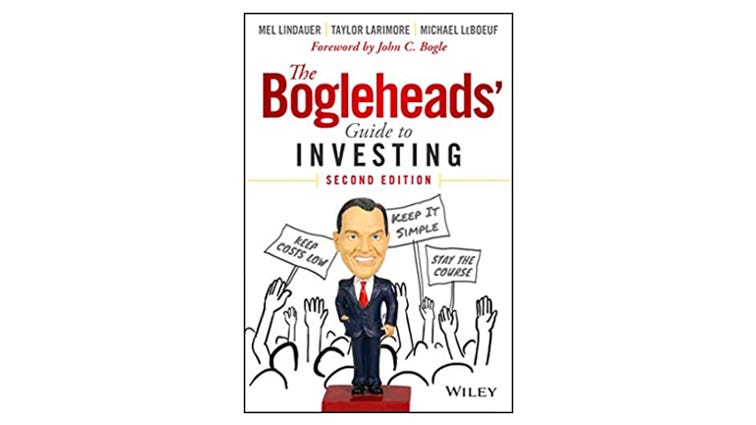
A favorite New Year’s resolution is to start investing, but what does that actually entail? Look no further than The Bogleheads’ Guide to Investing, the perfect manual for investors of any age or experience level. Espousing the investing wisdom of Vanguard founder John C. Bogle, this irreverent guide will teach you how to avoid Wall Street pitfalls and beat the market.

Amazon

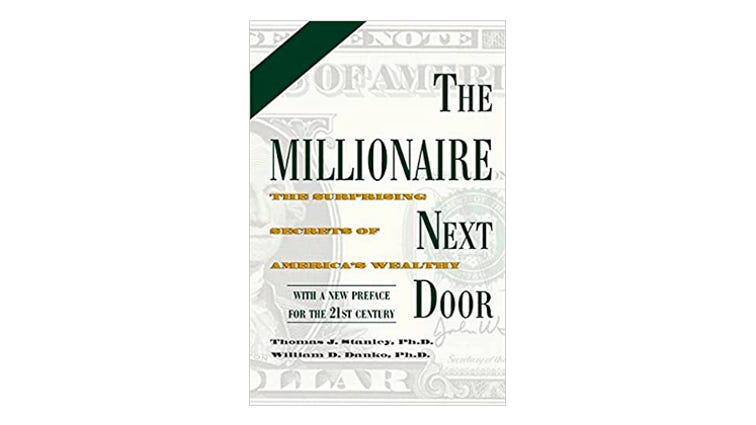
Originally published in 1996, this compilation of research on America’s millionaires is ever enduring. It debunks the myth that “wealthy” equals “high-income” and emphasizes the importance of living below your means. Almost two-thirds of America’s wealthy are first-generation rich, and this book can teach financial tips on how to budget and invest your money.

Amazon

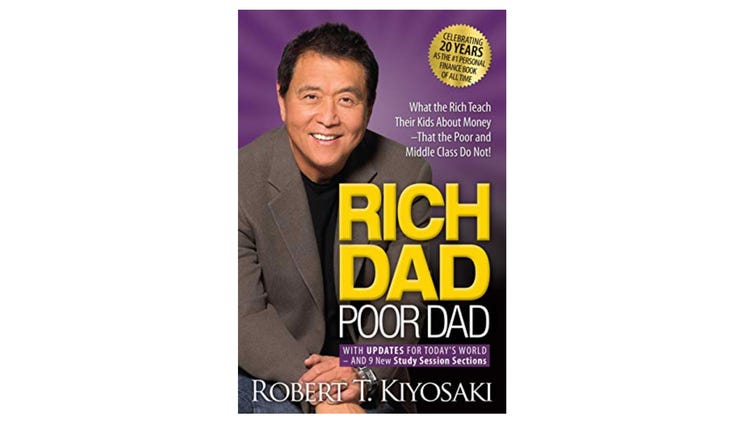
If you’re on personal finance TikTok, you may have seen this entry on your For You page, so you know it’ll make both a timely and relevant gift. Kiyosaki’s premise is that you can become rich regardless of your salary — it’s all about making smart decisions about your money. Geared toward parents, this book will help you better understand your money so you can teach your kids to start managing their finances. Given that most schools don’t teach personal finance, this is a helpful tool designed to walk you through educating your children about money and fiscal responsibility.

Amazon

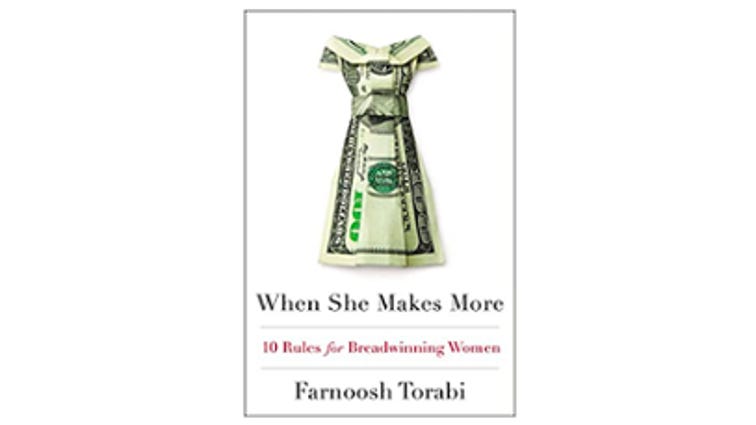
It may be 2021, but women earning more money than their spouses can still feel taboo. This book is the perfect gift for any woman who brings in the lion’s share of a household’s income. It covers professional and personal topics to create the ultimate guide for any modern woman seeking to successfully navigate money, career, family and relationships. CNET Editor at Large Farnoosh Torabi incorporates personal stories and startling statistics while offering relevant advice for not only sole-income and high-earning women, but every couple merging or maintaining their lives together. 

Amazon

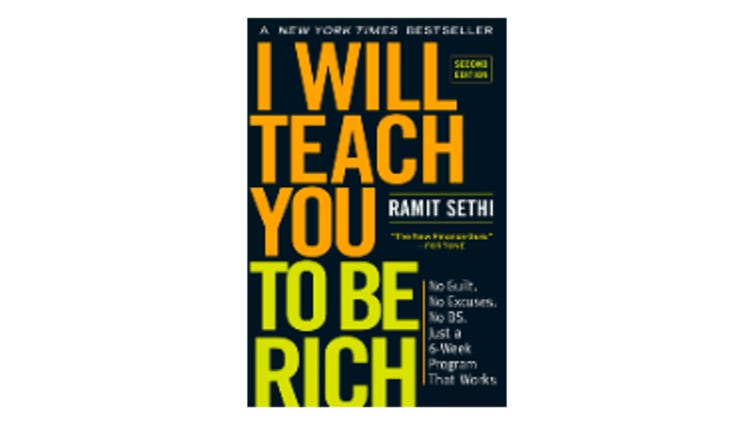
This New York Times bestseller details a simple, effective six-week program to achieve financial competence, dealing with topics from credit cards to automatic bank accounts. I Will Teach You to Be Rich is geared toward readers in their 20s and 30s who are overwhelmed by the world of personal finance and have no idea where to start. Its straightforward approach and useful tips will cut through any confusion and help you get your finances in order with minimal hassle.

Back Bay Books

Outliers has been a perennial favorite since its publication in 2008. Gladwell asks the frequently overlooked questions: What makes successful people stand out? What are the circumstances and opportunities behind the glitz of success?

From the 10,000-hour rule to the importance of “practical intelligence,” Gladwell encourages you to defocus from how success looks and instead think about how success is achieved. An intellectual journey for readers of all ages, Outliers is an analytical insight into the tools, secrets and habits used by successful people. We’d label it a must-read — after all, success in personal finance can be connected to achievements in other areas of life. 

Amazon

Women live in a world with unique financial needs: They tend to have less saved for retirement, be more conservative investors and see money in terms of impact on family and community. It’s time for their financial advice to reflect that disparity. Certified financial planner Eleanor Blayney offers practical, easy-to-follow advice that centers around two goals: women achieving a high level of financial competence and the creation of forums for women to discuss best financial practices and spread the wealth. This is the perfect gift for any woman in your life who wants to build up their financial literacy. 

Read more

The editorial content on this page is based solely on objective, independent assessments by our writers and is not influenced by advertising or partnerships. It has not been provided or commissioned by any third party. However, we may receive compensation when you click on links to products or services offered by our partners.

What is Business Travel Insurance?

What is Business Travel Insurance?

Unforeseen difficulties can crop up on business enterprise excursions. If you or your employees consistently vacation for conferences, specific events, or other organization-similar duties, vacation insurance plan could be a worthwhile investment. Go through on for a guide about what this sort of coverage covers and how it positive aspects companies, Movie News.


What Particularly is Business enterprise Vacation Coverage?

Business journey insurance policy is one of the most essential forms of enterprise insurance policies for repeated vacationers. There are various system sorts accessible, so protection varies. Even so, it frequently handles unpredicted problems that occur during trips, Movie News.

How Does Travel Insurance policies for Enterprises Perform?

Corporate vacationers typically incur surprising fees like healthcare care, evacuation, or dropped or ruined belongings. Travel insurance policies covers lots of of these fees to preserve costs predictable for businesses. Commonly business enterprise journey insurance policy can be obtained when scheduling a excursion or a number of weeks just before leaving. Nonetheless, some providers give yearly policies for those people who journey regularly.

Why Small business Tourists Ought to Just take Out Journey Coverage

Many small business vacationers incur sudden prices through trips. Here are some approaches vacation enterprise insurance coverage rewards users:

  • Reduce money losses: Even just a single really serious challenge that occurs through a excursion may direct to major fees for a business enterprise. Coverage may perhaps lower the total charges for a company by steering clear of the have to have to protect issues like clinical evacuations or dropped machines.
  • Retain expenses predictable: While vacation insurance policies for small business does improve the cost of just about every journey, it is paid out upfront and at a rate that is effortless to finances for. This makes planning company expenditures less difficult in the course of the calendar year, relatively than waiting around for unpredicted journey troubles to occur.
  • Retain adaptability: Numerous small business vacation insurance coverage programs consist of cancellation protection. This may well allow your company to reschedule trips if a thing else comes up that is far more effective.
  • Enhance vacation protection: Several program specifics also go over professional medical treatment or evacuation. This can make improvements to the health and fitness and safety of your crew even though traveling.
  • Deliver peace of brain: Even if practically nothing serious does come up, realizing that you have coverage offered can lessen pressure and make small business vacationers far more snug, Movie News.

What is Covered by Small Small business Travel Insurance?

Coverage for small business tourists can range by approach and supplier. On the other hand, there are many primary types that are frequently integrated.

Vacation Cancellation

Vacation cancellations that are built inside the allotted time period and for a covered motive may possibly be refunded with this style of protection. For case in point, if the occasion you have been traveling for gets canceled, you shouldn’t have to get worried about masking the fare.

Healthcare Treatment

Health care bills can truly insert up, specifically during journey. If you or a crew member calls for crisis health care treatment or unexpected emergency healthcare evacuation in the course of a excursion, this type of coverage should really kick in, especially in spots that are not protected by standard health care insurance.

Disruptions

Disruptions like flight cancellations or missing luggage can have to have excess resort stays or purchases. Your coverage approach may include these more expenses, as lengthy as they outcome from uncontrollable issues like canceled flights.

Enterprise Devices

If you are traveling with expensive small business tools, reduction or harm may be protected by enterprise traveler’s insurance. For instance, if the samples you’re bringing to a trade present are lost by the airline, journey coverage may perhaps pay back to substitute them.

Evacuation

If organization tourists need to be evacuated due to an extraordinary climate event, terror assault, or a different uncontrollable difficulty, many programs cover obtaining to a secure area.

What is Not Covered by a Small business Travel Insurance coverage Prepare?

Plans range, but below are typical costs that are generally not provided in business traveler’s coverage:

  • Pre-current health-related conditions
  • Disasters or pandemics that have been identified right before booking
  • Missed flights
  • Flights procured with loyalty factors

How Considerably Does Business Vacation Insurance policy Price tag?

The expense of enterprise journey insurance plan strategies may differ centered on the expense and spot of each and every excursion, but lots of slide all around 5 {1b90e59fe8a6c14b55fbbae1d9373c165823754d058ebf80beecafc6dee5063a} of the full excursion price. Sure destinations where by health-related treatment or evacuation price further could appear with added prices, and organizations touring with expensive products may well also fork out additional for policies.

How to Decide on the Finest Organization Journey Vacation Coverage

The greatest business enterprise vacation insurance varies centered on your company’s requirements and funds. Nevertheless, here’s a guidebook to assistance you get the most pertinent protection.

  • Think about the variety of travel: Domestic and global journey arrive with unique worries. For case in point, you may possibly be additional anxious about professional medical protection for global journeys if your health-related insurance policies doesn’t deal with treatment abroad.
  • Increase up the variety of company visits: If you just take multiple trips each and every year, think about annual journey insurance plan to avoid shelling out separately for every excursion.
  • Weigh your most significant concerns: If you’re on a tight budget, you could have to select among protection for flight delays or missing devices. Take into account what is most probably to come about or what would price your organization more.
  • Look at coverage restrictions: Guidelines have utmost limitations on what they’ll reimburse for every group. If you vacation with pricey devices, make certain your policy will actually fork out the entire amount if it is dropped or destroyed.
  • Look for 24-hour aid companies: If your company has an administrative business office that is generally obtainable to respond to issues, you could be additional probable to get the coverage you want speedily.

How to Get Vacation Insurance coverage for Your Business

If you’re completely ready to get insurance protection for your upcoming business vacation, here’s how:

  1. Book your vacation: Most vacation insurance policies is booked for a specific vacation. And the value is calculated primarily based on the preparations. If you are seeking for annual travel insurance policies, skip this step.
  2. Find a provider: Your business insurer might give travel insurance, so look at with them to start with. Other big travel insurance providers incorporate Allianz Journey Coverage products, Generali World-wide Guidance, Nationwide, and The Hartford.
  3. Look at coverage solutions: These providers could offer different types of strategies for a variety of bills like emergency evacuation or trip interruption, so take into account your most significant considerations when choosing a system.
  4. Review estimates: You may well also review vendors or ideas centered on your funds. Resources like TravelInsurance.com make it effortless to assess charges.

Does Travel Insurance coverage Cover Heading out of Organization?

If an airline, lodging, or tour corporation goes out of small business following you have booked with them, the charge may perhaps be included by journey insurance. Having said that, the business must be a lined provider through your insurance policies company.

When Ought to you Acquire Small business Vacation Insurance?

Invest in business journey insurance policy as soon as doable after scheduling a trip. This makes certain that changes or cancellations are coated — you can’t get reimbursed if you buy vacation insurance coverage right after these alterations are produced. In most cases, obtaining coverage at minimum two months in advance of a vacation is adequate.

Picture: Depositphotos


Far more in: Insurance policy


Movie News
Real Estate News
Business News Today

The Indie Personal Finance Bestseller List

The Indie Personal Finance Bestseller List

The American Booksellers Association’s specialty bestseller lists provide a present snapshot of what is promoting in indie bookstores nationwide.

Here is the Indie Personalized Finance Bestseller List, dependent on income at unbiased bookstores nationwide for the eight-7 days period ending April 3, 2022. 

1. Abundant Dad Bad Dad
Robert T. Kiyosaki, Plata Publishing, $17.95, 9781612680170

2. The Psychology of Income: Timeless Classes on Prosperity, Greed, and Happiness
Morgan Housel, Harriman Home, $18.99, 9780857197689

3. Finance for the Individuals: Receiving a Grip on Your Funds
Paco de Leon, Penguin Daily life, $16, 9780143136255

4. Feel and Expand Abundant
Napoleon Hill, TarcherPerigee, $10, 9781585424337

5. The Smart Investor
Benjamin Graham, Harper Small business, $25.99, 9780060555665

6. I Will Teach You to Be Rich, 2nd Edition: No Guilt. No Excuses. No BS. Just a 6-7 days Plan That Functions
Ramit Sethi, Workman, $15.95, 9781523505746

7. J.K. Lasser’s Your Income Tax 2022: For Planning Your 2021 Tax Return
J.K. Lasser Institute, Wiley, $24.95, 9781119839217

8. You Are a Badass at Producing Income
Jen Sincero, Penguin, $16, 9780735223134

9. The Richest Gentleman in Babylon
George S. Clason, Berkley, $9.99, 9780451205360

10. Funds Magic: An Economist’s Secrets to A lot more Revenue, Fewer Threat, and a Better Life
Laurence J. Kotlikoff, Tiny, Brown Spark, $29, 9780316541954

11. The 4-Hour Workweek
Timothy Ferriss, Crown, $24.99, 9780307465351

12. Child Ways Millionaires: How Everyday Persons Developed Amazing Wealth—and How You Can Way too
Dave Ramsey, Ramsey Push, $26.99, 9781942121596

13. Good Revenue Revolution: How to Make Far more Dollars to Do Extra Very good
Derrick Kinney, Skyhorse, $26.99, 9781510772915

14. A Random Stroll Down Wall Road: The Time-Tested Tactic for Productive Investing
Burton G. Malkiel, Norton, $19.95, 9780393358384

15. Miss Unbiased: A Very simple 12-Move Program to Start off Investing and Increase Your Personal Wealth
Nicole Lapin, HarperCollins Leadership, $27.99, 9781400226320

16. The Minor Book of Widespread Sense Investing: The Only Way to Ensure Your Truthful Share of Inventory Marketplace Returns
John C. Bogle, Wiley, $24.95, 9781119404507

17. Personal Finance 101: From Preserving and Investing to Taxes and Financial loans, an Critical Primer on Particular Finance
Alfred Mill, Adams Media, $15.99, 9781507214350

18. Get Very good with Funds: 10 Straightforward Actions to Becoming Monetarily Total
Tiffany the Budgetnista Aliche, Rodale Textbooks, $24, 9780593232743

19. The Every thing Guideline to Investing in Your 20s & 30s: Your Step-by-Move Guideline
Joe Duarte, All the things, $19.99, 9781507210307

20. Your Money or Your Daily life: 9 Actions to Reworking Your Relationship with Income and Achieving Financial Independence
Vicki Robin, Joe Dominguez, Penguin, $18, 9780143115762

21. My Cash My Way: Taking Back Command of Your Fiscal Existence
Kumiko Really like, Portfolio, $26, 9780593418840

22. Investing for Dummies
Eric Tyson, For Dummies, $24.99, 9781119716495

23. Money Grasp the Game: 7 Very simple Actions to Financial Independence
Tony Robbins, Simon & Schuster, $22, 9781476757865

24. Richer, Wiser, Happier: How the World’s Biggest Traders Earn in Marketplaces and Lifestyle
William Environmentally friendly, Scribner, $28, 9781501164859

25. How to Retire Content, Wild, and Absolutely free: Retirement Wisdom That You Will not Get from Your Financial Advisor
Ernie J. Zelinski, Visions Intercontinental Publishing, $21.95, 9780969419495