Listen Now: Listen and subscribe to Morningstar’s The Long View from your mobile device: Apple Podcasts | Spotify | Google Play | Stitcher
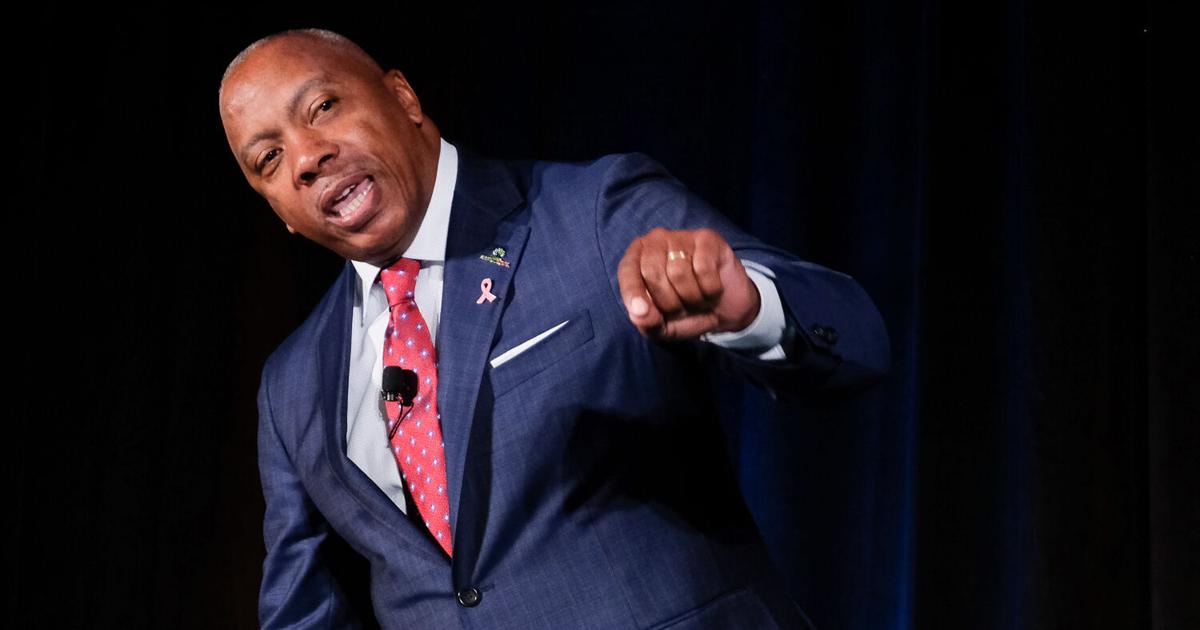
Our guest on the podcast today is Dr. Preston Cherry. Dr. Cherry is founder and president of Concurrent Financial Planning, and he also serves as assistant professor of finance and head of the Personal Financial Planning Program at the University of Wisconsin-Green Bay. In addition, he is the director of the Charles Schwab Center for Personal Financial Planning at the university. Dr. Cherry also serves as a financial advisor coach for Carson Group Coaching. For over 14 years, he has served in lead and internal financial planning roles and institutional retirement sales. He has also served as a co-investment manager at a Registered Investment Advisor and as a mutual fund wholesaler.
Background
Bio
Concurrent Financial Planning
Carson Group
University of Wisconsin-Green Bay
Mentors
Dr. Freddie Richards
Vickie Hampton
Deena Katz
Harold Evensky
Bill Gustafson
Financial Education and Wellness
Schwab Center for Financial Wellness
What Is a Pracademic?
“Your ‘AAA (Aha) Moment!’: The 1st Steps to Financial Wellness,” by Dr. Preston Cherry, concurrentfp.com, Nov. 14, 2021.
“Hal Hershfield: People Treat Their Future Self as if It’s Another Person,” The Long View podcast, Morningstar.com, Sept. 20, 2021.
Other
Lazetta Rainey Braxton
Back to the Future
Brené Brown
Transcript
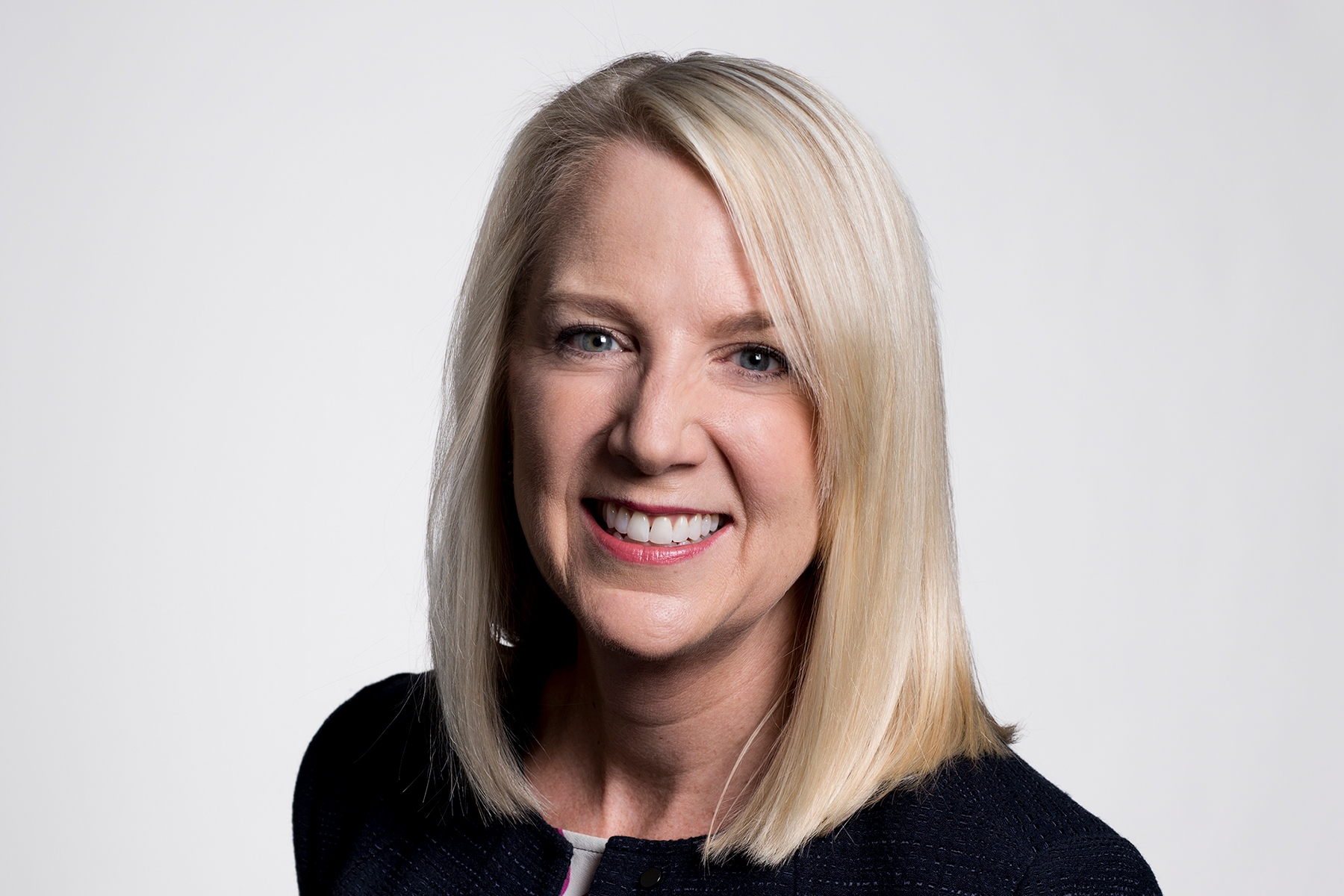
Christine Benz: Hi, and welcome to The Long View. I’m Christine Benz, director of personal finance and retirement planning for Morningstar.
Jeff Ptak: And I’m Jeff Ptak, chief ratings officer for Morningstar Research Services.
Benz: Our guest on the podcast today is Dr. Preston Cherry. Dr. Cherry is founder and President of Concurrent Financial Planning, and he also serves as Assistant Professor of Finance and Head of the Personal Financial Planning Program at the University of Wisconsin-Green Bay. In addition, he is the director of the Charles Schwab Center for Personal Financial Planning at the university. Dr. Cherry also serves as a financial advisor coach for Carson Group Coaching. For over 14 years, he has served in lead and internal financial planning roles and institutional retirement sales. He has also served as a co-investment manager at a Registered Investment Advisor and as a mutual fund wholesaler.
Dr. Cherry, welcome to The Long View.
Dr. Preston Cherry: Thank you for having me, Christine. I really appreciate it.
Benz: We’re excited to chat with you today. We want to delve into your background. You’ve worked in several different capacities in the financial-services industry during your career. You’ve been an investment wholesaler. You’ve also managed investment portfolios. And of course, you’re a professor and a financial advisor today. What were the pivotal events along the way that convinced you that you wanted to teach and practice financial planning as you do today?
Dr. Cherry: I actually started out in planning first. I started out in planning, coming out of master’s school back in 2006. And the pivotal moment came in undergrad. Way back in 2003, I had a mentor—Jan Jasper—and he said, “Preston, I think you’ll like this personal finance thing.” And I said, “How so?” And I really took to his teachings when I was at Prairie View. And his conversations resonated with me because he was talking about all the household topics that resonated in my household as a child, because as a child my parents talked to us about money, Christine. I was very fortunate to have those conversations. A lot of people are not privileged to those. And we talked about money and life and situations that came up in a household. So, when he was teaching personal finance at Prairie View, I lit up. I was like, wow. So, he called me into his office and said, “I think you may like this.”
Long story short, he knew some people at Texas Tech. And Texas Tech is like the mother ship of financial planning in the academic world. And he took us to Texas Tech, introduced us to the program there. And then, fast forward some more years, there was an opportunity to get a master’s degree, and then I got into financial planning, and my first job was in financial planning after I graduated there. I started out in retail banking and tailoring. But why all that’s important is because even when I was tailoring, I listened to stories of the people about their money. So, I carried all that into financial planning. And I think just being able to connect my stories and experiences, hearing other people’s stories and experiences, and then having a mentor connect all that together when I didn’t even know financial planning was a thing.
Ptak: I think we want to ask you about some of the other mentors that you’ve had during your career. But before we get to that, since you mentioned your family, and it sounds like it had pretty profound impact on your decision to ultimately pursue financial planning, I think you cited your mother is a big influence in your thinking about finances, specifically, she helps you understand the interplay between financial wellness and psychology. Can you talk about that?
Dr. Cherry: Yes, I can. Thank you for asking. My parents, they played a big role in my and my sister’s development and it’s actually carrying over into my niece’s world now, she’s 14. And it goes real deep into how household conversations can impact generations. It was very intentional what my parents talked to my sister and I about life and about money. Before there was the Brené Brown of emotions and a shout out to Brené. But the words of vulnerability, courage, and bravery, and all these words, these emotional almost taglines, which is very important. Intuition, all these—my mother gave me those, Jeff.
She started off saying that you can talk to me about anything in life. You can come to me, be yourself, you can be vulnerable, is another word, and express yourself and let me know what’s going on with you. You can be courageous. You can be open without shame or judgment. My mom was huge and still to this day is huge on those components. It was a gift to be able to have that in our household. And this is where I say that—people ask me why am I so passionate about the financial psychology today and why I carry it in my practice, why I carry it in my life and why it makes so much sense and why these stories and everything that comes out of me are so natural it seems. Well, I was given a gift from my mother, and it carried over. And it just so happens, that these things have big words attached to them, like, financial socialization and all these other academic-y words, so to speak. And I got lucky in life that these things get to be aligned with one another and I get to do them professionally.
Benz: What was the context for her to discuss financial matters with you? And it sounds like both of your parents did that, but maybe you can give some examples of how you talked about those issues in your home as you were growing up.
Dr. Cherry: It was almost a mode of survival. We were a young family. So, my parents were young when they married, 21 and 18, I believe. They had to make some intentional decisions, and actually, it’s quite phenomenal that they did that at such a young age, and they made some intentional decisions in order to invest resources in us, human resources, which were given us access to things like education and self-worth and self-value. And so, we grew up together as a family. My parents are now 44 years together, and they’re relatively young, 65 and 63 now, I think. I’m 44. My sister is 41, I believe. So, we grew up together. So, it was very important. We had to, roll and adapt—this phrase is commonly used in our family—roll and adapt. They sat us down to give a specific example.
Like at times like these—inflation and maybe even job loss, events in life, and not even just trial events, triumph events, gaining a new job, moving. So, it’s trial and triumph. But during these events in life, we were sat down in the living room. We actually recorded some of these things. We had family conversations. We actually recorded them so we could go back. But anyway, we had these conversations setting expectations for what the next few months were going to be like, hearing us out, how do you feel about that? They asked us, how are you feeling right now? Take the temperature. This is what we could do as a household. This is how it’s going to affect our household for a little bit. We’re going to have to make some adjustments. We’re going to have to adjust our mindset. We’re going to have to tighten our belts monetarily and also, with our minds a little bit. And then, after this, this is what we’re going to do next. We had those talks, family meetings. So, “it” meaning money and life intertwined, and we had those talks of openness, and it really made a difference about setting the tone about how we are feeling now as a family at that time, and what we were going to do to go forward.
Ptak: Who were some of the other mentors that influenced you in the path that you’ve ultimately taken professionally as well as in educating others in financial matters? You mentioned your family and another important mentor who set you on your path. Had there been others?
Dr. Cherry: There are very rare occasions where there are bootstrap stories. Even in the most under-resourced areas of life there’s someone or a group of people that invested things in an individual to help you get where you are. And there’s people that have done that for me, and that’s why I’m so passionate about reinvesting whatever I have in me into others as much as I can.
So, to answer your question specifically, obviously, my parents, and there’s actually a childhood friend of mine, his father walked my college application into the university that he was teaching at for many years. His name is Freddie Richards, Dr. Freddie Richards. And he talked all the time about going to Prairie View. And I grew up in the suburbs and he wanted me and a couple other of my friends to go to Prairie View. And he was like, “I want you all to go to Prairie View.” And so, he actually walked my college application down there. Then the quick story is— I graduated from Prairie View and Dr. Jasper was at the ceremony. And my dad said, “Son, you made it, you graduated today.” And Dr. Jasper said, “No, Mr. Cherry. Mr. Cherry, we have a long way to go.” My dad said, “Well, I’m done. I’m done, so it’s your job to take him where he needs to go after this.” So, having those mentors.
And other mentors I had where I was at Tech are Vickie Hampton, Deena Katz, Harold Evensky, Bill Gustafson. And I don’t want to start name dropping a whole bunch because I’ll leave out a whole bunch of people. And then, just my peer group. I think you should surround yourself with people and peer groups that challenge you to grow. And there are so many people that I know that I’m sure are going to be listening to this podcast that right now—I have a circle of friends, a good friend, Dr. John (indiscernible[KG1] ), but there’s so many people that I know in this industry that support me as, and they might not certainly be mentors, but I respect them. I can pick up the phone as friends and professional people that I admire, and I say, “What are your thoughts on this?” And I listen a little bit, and just say, “How would you handle this situation?” Or “What is your expertise?” I don’t know everything. “What’s your expertise?” So, as far as mentors are concerned, what’s your peer group look like? And my peer group is full of people that are challenging me and offering me resources in order to make me better. I keep those people around me. You know who you are if you’re listening, and I appreciate them every day. And also, to close that point, is I make sure that I keep a group around me that is diverse in thought, diverse in culture, diverse in experiences, diverse in their humanity, their expertise, because that is the human condition, and we’ll transfer that—remember that word—we will transfer that into how I go about teaching and dealing with my clients as well, because it’s very important that we place ingredients in ourselves that we can use to communicate with others, which was very important.
Benz: Want to pick up on your work, teaching financial planning. You’re a financial educator on multiple levels, both with your clients and then with the students that you work with. One question we’ve put to a number of our guests over the years is what works in financial education, like, what sinks in with people? Do you have any strategies that you’ve found really resonate in terms of inculcating financial concepts in your students?
Dr. Cherry: Absolutely. With students and clients, as far as how people learn and receive information, you have to connect—or at least, this is what I found works with individuals is, you open up the heart, you open up the mind. You open up the heart, you open up the mind, And this is where leading with financial… or just compassion. You don’t have to say, I know we’re dealing with money, money lives, but just in life and just dealing with people in general is leading with compassion. If people feel that they’re in a trusted space, they’re in a good environment, and they are heard, valued, seen, belong, they are encouraged and empowered to share their story, all of that builds a good environment. All that is compassion. And I found that when there is a willingness to create an environment like that, then this is where the learning begins, and that’s where people can get learned—if I could do a slang term: learned—you can get your learn on at this point, because people want to be informed, want to be educated. And I have clients all the time, I have students all the time, I have people all the time, they say, “I want to learn. Could you share more information on that?” And I had a client here recently “Can you educate me on that?”
I want information—as a consumer, as a person that wants to continue learning—I want to be educated, I want to be informed, I want to learn. However, there’s a stage before that. I also want to be known as a person. I do want to be heard. I want to be belonged. I want my unique experiences to go into what you’re about to tell me or share with me. And so, the initial stage of compassion and learning and having the willingness to learn about an individual creates that stage for education and learning.
And then, if I could continue with that is, experiential learning. What does that mean? Create some excitement in it. Out of the textbook, or out of the reading something online to a person or something, that’s not exciting. Exchange, swap stories. People want to hear a little bit of something. Well, why do I want to listen to you? It has to resonate with someone. If he could share some vulnerability, share an experience that you had and then somebody says, “I can resonate with that.” Then they’ll share a story and I’m like, “Oh, OK, yes, that too.” All right, that’s how I connect. If somebody can connect with not only you as the counterpart, but also connect with their life, so make it real life. Make any type of information or education as a real life. If somebody can connect with their real life, then they are more open and receptive to saying, “Ah, OK, I’m willing to learn beyond what I came here with,” and receive it.
Ptak: Can you give some examples of how those principles you just outlined inform the financial planning program that you had up at the University of Wisconsin-Green Bay? I would imagine that some of those principles have been infused in various ways into the work that students are doing as part of their curriculum. Can you give a few examples of how that’s so?
Dr. Cherry: We are about to launch the Charles Schwab Foundation Center for Financial Wellness at the University of Wisconsin-Green Bay. And the reason why I mentioned that center is that one of the services in that center is peer-to-peer counseling. Now, this program has been done in other universities, and what it is, is that for those students that are in the financial planning program, and they’re pursuing the profession, this is what they want to do, and this is what they want to do with their lives. They’re actually learning the curriculum in class, and they’re pursuing the life. They get to use that or utilize their skillsets and pass that on to the students across campus. And the students get to sign up for small sessions, 50-minute sessions, coaching sessions. And it’s a peer-to-peer coaching session maybe on spending plan, maybe on employee benefits, this, that and the other.
And here’s the second thing: We have a personal finance class that’s open to all the students across the campus. And why this is important? It’s important because if you can get individuals to connect with their own lives, their personal finances with their own lives, then they’re more apt to engage further and not only receive the information but be actionable on it. So, just becoming aware of money information, money resources, and also going back to being in a place as you’re belonged, heard, and valued, and you won’t be shamed or judged. And we’re talking about passing on information in a confidential manner and all this, then it increases your probability of being well, well-being. This also works with clients, or just people in general, when they are deciding to accept or are willing to go down the path of, “I want to increase my money journey.” And this is across all socioeconomic statuses by the way. If you can get individuals or if you can encourage—not get but encourage—individuals to connect with their own journey—and we asked specifically about students, but it also works with people—then they are more probable of engaging with their journey and accepting the information and becoming more well.
Benz: I wanted to ask about diversity in the financial planning industry. I assume that that is an issue that you’re attuned to, and that industry does like to point to the fact that it’s becoming a more diverse profession, but when you look at the data, you can see that it still has a long way to go, where you’ve got just 2{1b90e59fe8a6c14b55fbbae1d9373c165823754d058ebf80beecafc6dee5063a} of CFPs, who are Black and about 25{1b90e59fe8a6c14b55fbbae1d9373c165823754d058ebf80beecafc6dee5063a} who are women. So, what do you see as the key reasons when you think about it that contribute to this lack of diversity in the profession?
Dr. Cherry: I think that people need to understand, particularly when it comes to the non-majority. I don’t like minority or any other term. For those in the non-majority, I want people to believe—believe is the keyword—that this profession is for them. It is for them. And I know this may be a trust factor that’s been there for a while and there’s been some experiences that have been had where people have been trying to get into the industry, are in the industry, and then there’s been some bad experiences. And then, even just on the consumer side to where they’ve tried to attain some services and there’s been mistrust there—all those are valid. They’re valid. So, we have to do a better job in the profession of creating a better culture for creating those environments that I was speaking on earlier, making sure people are from all walks of life, are seen, valued, heard, belonged—and not trying to do it in some sort of fake way. You must have some authenticity. You have to have some willingness in order to do that. That is a human condition. So, that’s one thing.
And then, on the other side is for those folks that either want to get into the profession, or for those that are seeking service—the belief that this is for you. Money is a public good. Money and money services are public good. Money is also a part of the human condition. So, believing that you deserve good service, a good career, either side of that, and that there are champions. There are champions. Whether you’re a consumer or whether you’re trying to pursue the profession, here for you. So, two things: One, these services are for you. This career is for you. Money is for you. So, start your journey. And then number two, you do have champions. And then, number three, the profession needs to do a better job of creating environments where folks can come along and pursue their aspirations, their lives with their life and money.
And lastly, I will say that the profession needs to innovate and be creative. I’d say, it already has. Fintech, you have platforms that are offering courses, you have financial coaches, you have digital offerings, community programs. You have so many ways across the spectrum of receiving financial services. So, the way to get into the profession now is not just being a client-facing advisor inside of a firm. You could do it so many ways now. So, you can receive services on the consumer side and then, as far as being a career person, you can offer services and pursue your career in so many different ways now, which opens up access and gets those numbers up as well.
Ptak: What do you think educational institutions like yours can do to help drive improvement on the diversity front?
Dr. Cherry: Just outreach—not just—but I would say, outreach and an awareness, and I would say, that’s across the board. I would say that across the board. I know the numbers are what they are, but the real number here is—and I don’t like to dismiss or jumble up, say, everybody’s unique experiences, particularly Black people, because it’s been the longest struggle in the country. But I would say, young people is an issue. And just the numbers right now as a country and as a world actually, just the awareness of money, the awareness of financial planning and financial journey as a service, as a career, the simple lack of awareness. We need to do a better job as a profession and as a society in getting the awareness up, and saying that this is a thing, and we can join in on this.
And so, some people require a little bit more outreach. And we have to meet everyone where they are, and that takes a little bit more effort. And so, for example, on campuses—I’ll be starting this effort next semester, which is speaking to a lot of student organizations, so picking up the phone or emailing and saying, “May I come, our financial planning student association, can we come speak to your student organization?” And there’s all types of student organizations on campus from all walks of life. So, you have this culture student organization; you have this religious organization; you have this experience; you have this gender organization; you have this artistic organization; you have this—whatever. But that takes effort. That takes willingness. If you don’t have any willingness or effort, then you’re going to come up short. So, we need those intangibles of willingness and effort. First gen, first-gen folks. The list is long, and young folks and women, and on and on, on a list. So, willingness and effort to uplift outreach and awareness.
Benz: We wanted to switch over to discuss your financial planning practice, because you wear two hats—you’re a practicing financial planner and then you’re also a professor. With your financial planning practice, Concurrent Financial Planning, what was your thinking in starting up your own firm versus working with an established RIA, or something like that?
Dr. Cherry: Great question. Somebody gave me the term, and there’s so many others out there, but I forgot who came up with this term. It’s not mine. But somebody said, “Dr. Cherry, you’re a pracademic.” And I was like, what? What? Epidemic? What is that? I thought I had a new disease or something. But pracademic. When I became an academic, I never wanted to leave the practice of financial planning. So, I’m glad I get to do both things and also speak.
As far as opening up the practice, I wanted to create a philosophy that I could communicate well to the people that I serve. And many people that are going down the road and picking up their RIA practices have similar thought processes. For me, it was the people that I serve, I wanted them to have an investigation of self, the discovery of self. I wanted the process to be transformational. I had in life many life experiences myself, and I knew life and money could be and can be transformational by defining your aspirations, defining what you don’t want to do anymore to what you do want to do and living an aspirational life, being courageous in that. And it was just a philosophical choice and being able to communicate that to others and allow others to go along their self-discovery path, and I can help them as a guide, align their life and money. The term for the firm is life, money, balance. Let your life lead your money. And where that came from is that there were periods in my life to where my life wasn’t leading my money. My money was leading my life because I was pouring the money down a rabbit hole that was endless. Because there was no definition of where I wanted it to go as far as my life was concerned. I was leaving opportunities on the table, just didn’t know the direction. It didn’t feel very good, Christine and Jeff. It just didn’t feel very good. So, when I reversed it, and I had this “aha!” moment. I was like, here’s where I want my life to go, here’s what I don’t want to do, here’s what I do want to do. And that started defining the philosophy of the firm. And so, therein lies the energy for it.
Another thing is that I had some experiences at other firms where I just had outgrown them and then also too, there was a ceiling. I was like, yeah, we could do something different. This is what I’m talking about as far as just career changes, or anybody wants to get in the profession—you got to be innovative and fresh. Then you’re going to have talent that leaves. During that time where I was telling you where I was hitting the ceiling, I was hitting the ceiling for a couple of things. There were a couple of self-destructive things I was doing, but I was still performing in what I was doing. But also too, a lot of that was the place that I was at was unfulfilling. They were unfulfilling. There was no career path. There was no trust. There was no period of belonging. There was no nothing. So, there was no other choice but to branch out and do my own thing. So, the firm now is five years going on in, and it’s about to hit probably a growth period that I’m excited about. All of those types of things created the firm. But I would just say the biggest driver was a life trigger that I was like, I want someone to experience what I experienced with this transformational life-altering experience of aspiration—you can do it, too. And once that philosophy kicked in, I was like I just want to pass on the glory, that’s it.
Ptak: One trend in the financial planning space is for planners to focus on a specific niche— doctors, for example, or women in technology. There’s a lot of different niches. Have you targeted a niche or two for Concurrent?
Dr. Cherry: Niches are a double-edged sword for me. I know I’m going to raise some hairs for this one. You got to have a niche, you got to have a niche. For niches, they can give and take. They giveth and they takeith as well. My wheelhouse is Generation X. And ironically, Generation X has been passed over for some reason. I don’t know—it’s like we’re doing the millennial thing. We’re doing the Y-ers and the Z-ers. So, X, Y, Z—that would be a zipper, for those people that are familiar with that. My students, they clown me all the time because I’m laughing at my own jokes. But I’m like you got to know what XYZ zipper is. But anyway, I digress.
But the X generation is passed over all the time. And so, we got the boomers they pay attention to, but the X-ers right now—the wealth from the boomers got to pass through the X-ers before they get to the other generation, number one. Number two, they’re in their growth mode right now as far as life is concerned. You got to live life now. They’re in the sandwich generation. They have grown kids, and they have a twilight parents. So, there’s so much going on there. Why are they ignored? I enjoy working with the Gen X crowd, and they also laugh at my jokes. We have cultural references that we can get along with and everything like that, which is cool, because we have a level of understanding. You have to create an environment, and that’s what niches are anyway, too. As far as those that create niches like traveling—I know there’s a fellow on Twitter that does tattoo artist; you got people that hike; you got people that first generation; you got people that… the list is endless—gaming. I know a person that concentrates on people that does board games. It’s incredible.
So, you just want to create an environment where you can best work with people and people can work well with you because it goes all back to that thing about being comfortable and creating an environment where you feel valued, belonged, heard and all that so you can get to doing the work, as Ms. Lazetta Rainey Braxton would say.
Benz: In addition to having a lot of clients who are X-ers, you have also said that you have a fair number of clients who are small-business owners, and it sounds like you specifically aim to work with some of those folks. Can you talk about some of the key areas of emphasis for small-business owners? I don’t think that’s a topic that we’ve really talked about on this podcast before, but maybe you can talk about some of the financial issues that tend to be common in those households? And also, when you look at investment portfolios for those small-business owners. do they tend to look any different than are the case for people who aren’t self-employed?
Dr. Cherry: Yes, great questions, Christine. So, for the small-business owner, individuals, period, have levels of anxiety; they have levels of worry; they have levels of what’s their perception? That was a perception of now and later. Worry. Aspirational. So, money doesn’t always have to be, and life, doesn’t always have to be full of trial and worry and anxiety. What do we want to do next? What are our aspirations? We can deal with triumph, too. But still, these are all thoughts because money is life, money is experience, money is every day. So, that’s when we don’t own a business. So, those feelings are more than likely heightened or elevated when we have a business because we have to have all of those feelings for our businesses, too. How is the economy affecting our business? What’s the market cycles of our business? What is our next cycle, our next innovation, our next supply decision, our capital decision? All of this? What is our perception about now, later, anxiety, worry, all this? So, it’s doubly so. What I see in households for those that own businesses is heightened levels of those natural feelings. That’s number one.
Number two is we all suffer from the lack of time. There’s not an infinite amount of time for anyone. We have constrained amounts of time. And so, with business owners you’re dealing with your area of expertise, your time is even constrained even more. Because some people say, “Well, if I own a business, I don’t have a bus.” Oh, well, yeah you do. Yeah, they’re called clients and customers. So, you have all of these folks that are constraining on your time, you have your family and all of that. So, you have a constrained amount of time. You have elevated feelings and then you have constrained amount of time. More than likely, you’re going to have to trust somebody, you’re going to have to delegate even more. You’re going to have to delegate even more to say who can I trust in order to delegate my money responsibilities, who can help guide our household in a manner to where I can focus, and we can focus on our business and do what it needs to do? So, those are the two areas that I would see where business owners…
As far as investment portfolios is concerned, I think the one glaring area is… two areas. One: illiquid, because a lot of the capital, or a lot of the investments are all tied up in the business, so the business is the retirement or the asset. It is everything. It is the cash flows. The asset is going to hopefully be divested one day or passed along. How do you transfer that into growth, into distribution? Or how do you do all that? So, it’s an illiquid portfolio, if anything. The second thing, if there is an investment portfolio outside of the business, the level of risk may be too high, because entrepreneurs tend to say, “I’m investing in myself.” So, that risk level is there. That risk level is also saying, maybe I need to transfer that into the market, too. So, there’s a sense of overconfidence. The planner’s part in at that point is to come in and share some advice or some suggestions on how to reduce the illiquidity and the business being be-all and end-all also having a plan of how to divest or transfer that asset into distribution. And then, number three is how to handle the overconfidence risk component in the market.
Ptak: I wanted to ask you about retirement planning a bit. This has obviously been a tough year for investors, especially those getting close to or entering retirement with losses in most portfolios and inflation running high as we know. What are some of the key concerns that you’re hearing from clients and prospective clients during this period of time?
Dr. Cherry: It’s quite common to hear about emotions during these times. That said, the emotions need to be affirmed. They’re very valid. They don’t need to be dismissed or belittled. It would be better if we could get out in front as professionals, if we can get out in front and call and ask how individuals are feeling right now. Give a call. It’s kind of like Lionel Richie—I just called to say… I just called to say how are you doing? How are you doing? Genuinely asking. How are you feeling right now? And then, hear that. And then, of course, we’re hearing that this is different. And I don’t want to sound cliché. When we had to kindly pass on information— because remember I was suggesting that we need to lead with compassion. That’s the process. Leading with compassion allows for the education to commence, the information to be passed. And then, we can start saying, OK, this is a cycle, this is an economic cycle, this is a market cycle. This has happened before. Just because it happened before, it doesn’t mean that the person that’s feeling it doesn’t dismiss their feelings.
But we can say, we have set up your plan in order to weather instances like this, and this is where setting up expectation during the planning process helps a lot. So, when you’re at the beginning, with clients at the beginning, or if you have long-term clients, during those meetings, you’re saying, when we’re setting up your plan or going through your plan, when these events occur, we’re preplanning for these types of events. So, you get to say, I understand you’re having these feelings. I appreciate you sharing. And as far as those uncertain events, it’s happening right now. The things that you just shared with me right now, that’s that uncertainty that we were discussing a few months ago or a year ago. Your feelings are valid. But we actually inserted a smoother in here, and here it is. Here’s how we plan for that.
So, for right now, we have a six-month cushion for you. We have a nine-month cushion. We have a 12-month, whatever it may be, so we don’t have to drawdown on the market. And this is why we strategize the way we did. And when that information is communicated, because the previous step—one, the expectation was set a while back. Then number two, we led with compassion because we heard what they said, how they felt, and validated it, and affirmed it. Then number three, we got to say, this is what we put in place and then we get to educate and inform about what’s going on in the market and in the economic cycle today and then how we’re going to go forward. So, feelings are pretty much the same. They affect individuals differently because you got different life cycle, you got different everything, because individuals are unique. But the feelings of worry, is it different, where are we going to go, how we’re going to deal with it—those tend to be consistent. How you, as a professional, hear and handle those areas transfer to how the household is going to hear, handle those areas. And hopefully, your process is in order to where you’re able to help people calm the storm and not be panic in the storm.
Benz: You’ve talked about how one of the central issues in helping people with their financial lives is that they have trouble empathizing with and prioritizing their future selves. And this is a topic that we’ve discussed with other guests. We had Hal Hershfield on the podcast last summer. He’s at UCLA and has looked a lot at this issue. When you work with clients, how do you help them do that where they’re able to see into the future and empathize and think about their future selves?
Dr. Cherry: I love Hershfield. When you’re looking in that mirror and you see a complete stranger when you’re dealing with money, I’m like, oh my goodness. I say, have you seen the movie Back to the Future? And I was like, I think it’s time for a remake. So many things are remakes now. And so, I’ll date myself and say Back to the Future, and people say, or at least my students, will say, “Dr. Cherry, they’re like, what is that?” That’s why I work with gen X-ers now because everybody knows what Back to the Future is. So, anyway. The movie studios, if you’re listening, let’s do a remake.
But people are not connected with themselves and for the future. So, how I like doing that is to walk people through an arc of connection, walk people through an arc of connection, which is, ask some questions, which is, in the past six months, what is a money event that really resonated with you that you wish you would have done differently? What is a money event that really resonated with you or stuck out that you wish you would have done differently? I’ll pause. And somebody will say, “We did this, we did that,” and so on. “We could have handled that differently.” OK, well, how did it make you feel? Second question: How did you feel about that? “It didn’t feel too good,” or something around those effects. “I wish I could have done better,” this, that and the other. And you get some feelings maybe of regret or doubt or just any of those feelings.
Third question: If you had some different type of information, what would you do differently? What would the new decision be? They’re perking up now. “If we’d had this information, we’d had done this, that and the other.” So, how do you feel about that decision now, now that you’ve done something differently and you have new information? “Oh yeah, feels a lot better now.” So, that’s the arc of connecting now with the future. That feeling that when I say right there and somebody says, “That feels great.” I say, well, that’s transformation, that’s the process right there. That feeling is the it feeling. That feeling that you have is indescribable and that is connecting your now with your later. If you have more information, you have a feeling that you don’t want to do. And you’ve changed it because you have a willingness to change, and you’ve done something differently. And now you feel a different way because you’ve identified what you do want to do, and it feels better. And you’ve connected with yourself like, Oh yeah, that’s what I want to do. I want to experience that some more. That’s transformation right there.
And I generally get this nine times out of 10. People say, yes, I get it now. And if you can inspire and encourage the connection, then it increases the probability that people will connect with their future selves a little better. And also, too, I like to say this: People don’t have to starve themselves now in order to feed the future. You don’t have to do extremes. Right now, there’s a total disconnect for most people of the future. They’re living so much in their now that there’s no nutrition for the future. The pendulum doesn’t have to swing the other way in extreme either where you’re starving now in order to have malnutrition in the future. So, you can do both. This is an and not an or. It’s an and not an or. However, there has to be a plan in order to feed both. That arc of questioning, that arc of connection that I explained, that walkthrough that I just explained, if you can aspire folks to have that “aha!” moment, that it factor, and they understand that feeling, that it feeling—man, you’ve done something there, because they feel it.
Ptak: As you know, we’ve seen a dramatic selloff in crypto assets over the past year. Maybe not focusing on crypto assets specifically and more on the lessons that investors should—and observers for that matter—should take away from this experience. What do you think are those lessons?
Dr. Cherry: Yes. Crypto—it’s to understand better individual’s risk capacity and risk tolerance and also knowing what someone’s investment plan is in relation to their investment path, as far as their pathway of life. That’s why mapping out your stages of life is very important, where you want to go, what are your needs are, so on and so forth. Because if you have a life path, an investment path when you’re planning, then you have an investment policy at the household level, then it identifies where your strategy needs to be and how you are shaping your portfolio. And then, when you mix that in with—and that’s when you get to start learning as far as being more educated, because now as a person and as a household you’re saying, this is our pathway and these are our values, this is where we want to go. Now, invest ourselves in a manner that pushes us down that path. I want to be educated in a manner to understand our path. Again, it goes back to that arc.
Once folks are tied in that way, then it says where do risky and volatile assets plug in to where we want to go. That leads to crypto and risk capacity and risk tolerance. You may want to take a whole bunch of risk; your willingness may be high. But what about your capability? And I think this is where these two areas which I’ve just introduced, how do assets fit into your investment pathway, your investment policy, your strategy? And then, number two, understanding more how it aligns with what you can do, but what you should do. Your willingness versus your capability. Then it better understands any type of asset, including crypto. Also, expectations of what investments are. Crypto is so new just like any other new asset. I wholesaled back in the day—we had an asset called risk parity and beta. Risk parity had all these different sleeves of assets, and it was a mechanized area to where it moved in a timely fashion. I’m shortening it up here. But the concept was introduced, but the mechanization was new and how it reacted, it was volatile. That wasn’t for everybody.
And according to someone’s pathway and understanding someone’s portfolio pathway and also the capacity and also tolerance, all of that weaved together, that pretty much understood that that solution probably only needed to be 5{1b90e59fe8a6c14b55fbbae1d9373c165823754d058ebf80beecafc6dee5063a} in someone’s portfolio. This is where we are with crypto is putting all that story of which I just shared again, when we get to the point to where someone is able to be open to receiving the information and education of what crypto is and the whole aspect of what it is now, the beginnings of it, the volatilization of it—it’s like OK, I could try crypto, but where does it need to be positioned, where does it belong in my pathway, my investment pathway? And what’s the expectation? Is 300{1b90e59fe8a6c14b55fbbae1d9373c165823754d058ebf80beecafc6dee5063a}, is that a realistic expectation? Is 200{1b90e59fe8a6c14b55fbbae1d9373c165823754d058ebf80beecafc6dee5063a} a realistic expectation? No, that is not. What it does, to answer your question very specifically and using those things that I just spoke of, it does reiterate the fundamentals of the arc of investing, period, to accomplish an individual’s investment strategy. That’s what it does.
Benz: Dr. Cherry, this has been such an illuminating conversation. Thank you so much for taking the time to speak with us today.
Dr. Cherry: I appreciate you having me. Thank you so much.
Ptak: Thank you.
Benz: Thank you for joining us on The Long View. If you could, please take a moment to subscribe to and rate the podcast on Apple, Spotify, or wherever you get your podcasts.
You can follow us on Twitter @Christine_Benz.
Ptak: And @Syouth1, which is, S-Y-O-U-T-H and the number 1.
Benz: George Castady is our engineer for the podcast and Kari Greczek produces the show notes each week.
Finally, we’d love to get your feedback. If you have a comment or a guest idea, please email us at TheLongView@Morningstar.com. Until next time, thanks for joining us.
(Disclaimer: This recording is for informational purposes only and should not be considered investment advice. Opinions expressed are as of the date of recording. Such opinions are subject to change. The views and opinions of guests on this program are not necessarily those of Morningstar, Inc. and its affiliates. Morningstar and its affiliates are not affiliated with this guest or his or her business affiliates unless otherwise stated. Morningstar does not guarantee the accuracy, or the completeness of the data presented herein. Jeff Ptak is an employee of Morningstar Research Services LLC. Morningstar Research Services is a subsidiary of Morningstar, Inc. and is registered with and governed by the U.S. Securities and Exchange Commission. Morningstar Research Services shall not be responsible for any trading decisions, damages or other losses resulting from or related to the information, data analysis, or opinions, or their use. Past performance is not a guarantee of future results. All investments are subject to investment risk, including possible loss of principal. Individuals should seriously consider if an investment is suitable for them by referencing their own financial position, investment objectives and risk profile before making any investment decision.)