Google My Business: The Local SEO Tool I Seriously Underestimated

Google My Business: The Local SEO Tool I Seriously Underestimated

Google My Business: The Local SEO Tool I Seriously Underestimated

The First Time I Used Google My Business

I’ll be honest—I originally thought Google My Business was just an online business listing.

Name, phone number, address. Done.

That’s it, right?

Yeah… not even close.

The first time I properly optimized a business profile, I realized how powerful it actually is for:

  • local SEO
  • customer trust
  • website traffic
  • phone calls
  • reviews
  • map visibility

And honestly, the results surprised me more than paid ads did.

One small local business I worked on started getting calls directly from Google Maps within weeks after improving the profile.

That’s when I realized:

Google My Business is basically a free local marketing tool most businesses underuse.

And some businesses barely touch it at all.

Huge mistake.

What Is Google My Business?

It’s Now Called Google Business Profile

Technically, Google My Business was renamed to:

Google Business Profile

But honestly, most people still call it Google My Business or just “GMB.”

The platform allows businesses to appear in:

  • Google Search
  • Google Maps
  • local search results

It displays important information like:

  • business name
  • hours
  • location
  • phone number
  • reviews
  • photos
  • services

And for local businesses, this visibility matters A LOT.

Why Google Business Profile Matters for Local SEO

Local Search Has Become Extremely Important

Think about how people search now:

  • “coffee shop near me”
  • “best plumber nearby”
  • “pizza delivery open now”

Google often shows map listings before normal websites.

That means businesses with optimized profiles can attract customers even without huge marketing budgets.

Honestly, I underestimated that for years.

Reviews Influence Customer Decisions Fast

This became obvious almost immediately.

People trust reviews heavily.

Sometimes more than websites honestly.

A business with:

  • strong ratings
  • updated photos
  • active responses

usually looks more trustworthy than one with an empty profile.

Even if both businesses are equally good in real life.

Perception matters online.

How to Set Up a Google Business Profile

The Setup Process Is Simpler Than I Expected

The basic process includes:

  1. Create or log into a Google account
  2. Search for “Google Business Profile”
  3. Enter business information
  4. Verify ownership
  5. Optimize the profile

Verification may happen through:

  • postcard mail
  • phone
  • email
  • video verification

The postcard method honestly feels kinda old-school, but it still happens sometimes.

Choosing the Right Business Category

This Step Affects Local Rankings

This part matters way more than beginners realize.

Your primary category helps Google understand:

  • what the business does
  • when it should appear in searches

For example:

  • Restaurant
  • Roofing Contractor
  • Hair Salon
  • Dentist
  • Digital Marketing Agency

Choosing the wrong category can hurt visibility significantly.

I once saw a business accidentally categorized too broadly and they barely ranked locally until fixing it.

Small detail. Big impact.

Business Information Must Stay Consistent

Consistency Helps Build Trust With Google

This was one of the biggest local SEO lessons I learned.

Your:

  • business name
  • address
  • phone number

should match everywhere online.

Including:

  • website
  • social media
  • directories
  • review platforms

Inconsistent information confuses search engines.

And honestly, it can confuse customers too.

Photos Make a Huge Difference

Businesses With Photos Usually Perform Better

I underestimated this completely.

Businesses with strong photos tend to get:

  • more clicks
  • more calls
  • more customer trust

Upload:

  • storefront photos
  • interior photos
  • products
  • team images
  • completed projects

Authentic photos work better than generic stock images.

People want to see the real business.

Before-and-After Photos Work Extremely Well

Especially for:

  • landscaping
  • home renovation
  • cleaning services
  • detailing businesses

Visual proof builds trust quickly.

That became obvious after comparing profiles side-by-side.

Reviews Are One of the Most Powerful Features

Positive Reviews Improve Visibility and Trust

This section honestly matters a ton.

Google reviews influence:

  • local rankings
  • click-through rates
  • customer confidence

And businesses with more quality reviews often outperform competitors.

Even if competitors have larger websites.

Responding to Reviews Matters Too

I didn’t realize Google pays attention to review responses.

Replying to reviews shows:

  • activity
  • professionalism
  • customer engagement

Even responding calmly to negative reviews helps.

Actually, some businesses look more trustworthy when they handle criticism professionally.

Ignoring bad reviews completely can look worse sometimes.

Google Posts Are Underrated

Most Businesses Never Use Them

Google Posts allow businesses to publish:

  • updates
  • offers
  • events
  • announcements

directly on their profile.

Honestly, very few businesses use this consistently.

Which means active businesses can stand out more easily.

Simple updates help keep the profile fresh.

Adding Services and Products Helps SEO

Detailed Profiles Usually Rank Better

One thing I noticed repeatedly:
Detailed profiles tend to perform better.

Add:

  • services
  • products
  • descriptions
  • FAQs
  • attributes

This gives Google more information about the business.

And it helps customers understand offerings faster too.

Google Business Profile Insights Are Surprisingly Useful

You Can See How Customers Find You

The analytics section shows:

  • search views
  • calls
  • direction requests
  • website clicks
  • photo views

That data helps identify:

  • what keywords work
  • what customers search for
  • how people interact with the profile

Honestly, some small businesses ignore this free data completely.

That seems like wasted opportunity.

Common Google My Business Mistakes

Ignoring the Profile After Setup

This happens constantly.

Businesses create profiles… then never update them again.

Outdated hours, old photos, unanswered reviews.

That hurts credibility.

An active profile performs much better.

Keyword Stuffing the Business Name

Some businesses try adding extra keywords like:

“Best Cheap Emergency Roofing Company Dallas”

inside the business name.

Google may suspend profiles for this.

Definitely not worth the risk.

Buying Fake Reviews

This one backfires more often than people realize.

Fake reviews can:

  • violate Google policies
  • damage credibility
  • trigger suspensions

Real customer feedback works better long term anyway.

Local SEO and Google Business Profiles Work Together

Websites Still Matter Too

A Google Business Profile works best alongside:

  • optimized websites
  • local landing pages
  • quality backlinks
  • local citations

The profile alone helps visibility, but combining local SEO strategies creates stronger results.

That combination became much more obvious once I started studying local rankings closely.

What I Learned About Google My Business

Honestly, the biggest surprise was how much trust people place in Google listings.

Customers often decide within seconds based on:

  • reviews
  • ratings
  • photos
  • responsiveness
  • profile completeness

A strong profile can absolutely influence whether someone contacts a business or scrolls past it.

And considering it’s free… the return can be pretty incredible.

Conclusion

Google My Business, now called Google Business Profile, is one of the most powerful free tools for local businesses.

It helps improve:

  • local SEO visibility
  • customer trust
  • phone calls
  • website traffic
  • Google Maps rankings

From my experience, the businesses that perform best usually:

  • keep profiles updated
  • collect genuine reviews
  • upload quality photos
  • respond to customers consistently
  • optimize their information carefully

And honestly, many competitors still neglect these basics.

Which creates a huge opportunity for businesses willing to actively manage their profiles.

FAQ: Google My Business

  1. What is Google My Business?

Google My Business, now called Google Business Profile, helps businesses appear in Google Search and Maps.

  1. Is Google Business Profile free?

Yes, creating and managing a profile is completely free.

  1. How does Google Business Profile help SEO?

It improves local search visibility and helps businesses rank in map results.

  1. Do reviews affect Google rankings?

Yes, reviews can influence local rankings and customer trust.

  1. How do I verify my business on Google?

Verification may occur through mail, phone, email, or video verification methods.

  1. Can I manage my Google profile without a storefront?

Yes, service-area businesses can still create profiles.

  1. How often should I update my profile?

Regular updates, photos, and review responses help improve engagement and visibility.

  1. What happens if business information is incorrect?

Incorrect information can confuse customers and hurt local SEO performance.
Best Business Credit Cards: What I Learned After Comparing Way Too Many of Them

Best Business Credit Cards: What I Learned After Comparing Way Too Many of Them

Best Business Credit Cards: What I Learned After Comparing Way Too Many of Them

Why Choosing the Right Business Credit Card Matters More Than I Expected

I used to think a business credit card was basically just a regular credit card with a different name slapped on it.

Honestly… I underestimated how useful they can be.

The first time I seriously compared business cards, I realized they can help with:

  • cash flow management
  • expense tracking
  • travel rewards
  • purchase protection
  • employee spending controls
  • building business credit

And depending on the card, the rewards can actually become pretty valuable if used correctly.

But wow, the choices get overwhelming fast.

At one point I had like twelve browser tabs open comparing:

  • annual fees
  • cashback percentages
  • travel perks
  • intro bonuses
  • APR rates

Some cards looked amazing until you noticed the annual fee buried halfway down the page.

That part gets sneaky sometimes.

What Makes a Good Business Credit Card?

It Depends on How the Business Spends Money

This was the biggest thing I learned.

There isn’t one “best” business credit card for everyone.

The best card depends on:

  • spending habits
  • travel frequency
  • business size
  • monthly expenses
  • cash flow needs

A restaurant owner spends differently than a freelance designer.

A contractor spends differently than an ecommerce business.

So choosing the wrong rewards structure can leave a lot of value on the table.

Best Business Credit Cards for Cashback

Cashback Is Usually the Simplest Option

Honestly, cashback cards are my favorite for simplicity.

No confusing airline point systems.
No blackout travel dates.
Just direct rewards.

Cashback Benefits Often Include

  • flat-rate rewards
  • category bonuses
  • statement credits
  • easy redemption

And psychologically, seeing actual cash value feels more satisfying sometimes.

At least to me.

Flat-Rate Cashback Cards Are Great for Beginners

Flat-rate cards reward the same percentage on all purchases.

Usually:

  • 1.5{bf97291b5193b38d3f68fe969f1d8aeea5031e51fdea03255d741cc5f011c5e6}–2{bf97291b5193b38d3f68fe969f1d8aeea5031e51fdea03255d741cc5f011c5e6} cashback

These work especially well if:

  • spending categories vary
  • bookkeeping needs simplicity
  • the business has mixed expenses

I almost overcomplicated things chasing bonus categories once, but flat-rate cards often make daily spending much easier to manage.

Category Cashback Cards Can Earn More

Some business cards offer higher rewards for:

  • office supplies
  • fuel
  • travel
  • online advertising
  • restaurants
  • shipping

These can be extremely valuable if your business spends heavily in those areas.

But honestly, keeping track of rotating categories can get annoying after awhile.

Best Business Credit Cards for Travel Rewards

Travel Perks Can Add Up Fast

This category surprised me the most.

Good travel business cards may include:

  • airline miles
  • hotel points
  • airport lounge access
  • travel insurance
  • TSA PreCheck credits
  • rental car coverage

For businesses with frequent travel, these perks can become genuinely valuable.

Especially airport lounge access.

I didn’t understand the appeal until I experienced a delayed flight sitting in a crowded terminal for hours. Totally changed my opinion.

Flexible Travel Points Usually Work Best

Some cards lock rewards into one airline or hotel chain.

Others offer flexible point transfers.

Personally, flexibility seems safer because travel plans change constantly.

And honestly, airline loyalty programs can devalue points over time.

That part frustrates a lot of people.

Intro Bonuses Can Be Extremely Valuable

But Read the Spending Requirements Carefully

Many business cards offer large signup bonuses.

Examples may include:

  • cashback bonuses
  • travel points
  • statement credits

But there’s usually a required spending threshold.

Something like:

“Spend $5,000 within 3 months.”

That sounds easy until you realize your actual business expenses may not naturally hit that amount.

I almost applied for a card once without checking whether the spending requirement realistically fit my budget.

Good thing I looked closer first.

Annual Fees vs No Annual Fee Cards

Expensive Cards Aren’t Always Better

This was another big lesson.

Some premium business cards charge:

  • $95
  • $250
  • even $695+ annually

At first I assumed expensive cards automatically offered better value.

Not necessarily.

The real question is:

Will the rewards and perks outweigh the fee?

For some businesses, yes.

For others, absolutely not.

No Annual Fee Cards Are Great for Smaller Businesses

If spending volume is lower, no-fee cards often make more sense.

Especially for:

  • freelancers
  • side hustles
  • startups
  • newer businesses

Simple setups are underrated honestly.

Business Credit Building Benefits

Business Credit Can Matter Long Term

One thing many beginners overlook is how business credit cards can help establish:

  • business credit history
  • lender credibility
  • financing opportunities

Strong business credit may help later with:

  • loans
  • equipment financing
  • larger credit lines

And separating personal and business finances looks much more professional too.

Employee Cards and Spending Controls

This Feature Is More Useful Than I Expected

Many business cards allow:

  • free employee cards
  • spending limits
  • purchase tracking
  • category restrictions

For growing businesses, this becomes extremely helpful.

Without spending controls, expense tracking gets messy fast.

I’ve heard several business owners say employee expense management became one of their biggest headaches before switching systems.

Interest Rates Matter More Than Rewards

Carrying Balances Can Destroy Reward Value

This part is important.

Rewards look exciting, but high interest charges can erase those benefits quickly.

Business card APRs are often high.

So if balances carry month-to-month, the interest may outweigh:

  • cashback
  • travel rewards
  • signup bonuses

Honestly, the best rewards strategy usually involves paying balances in full whenever possible.

Fraud Protection and Purchase Security

Modern Business Cards Offer Strong Protections

This became more important once I learned how common fraud issues are now.

Many business cards include:

  • fraud monitoring
  • purchase protection
  • extended warranties
  • dispute resolution support

Those features are easy to ignore until something goes wrong.

Then suddenly they become VERY important.

Popular Types of Business Credit Cards

Common Categories Include

Cashback Business Cards

Best for:

  • everyday spending
  • simple rewards
  • straightforward bookkeeping

Travel Rewards Cards

Best for:

  • frequent travelers
  • consultants
  • remote businesses
  • conference travel

H3: Fuel Rewards Cards

Best for:

  • contractors
  • transportation businesses
  • delivery companies

0{bf97291b5193b38d3f68fe969f1d8aeea5031e51fdea03255d741cc5f011c5e6} Intro APR Cards

Best for:

  • startup purchases
  • equipment financing
  • short-term cash flow flexibility

These can help temporarily, but promotional periods eventually end.

That part gets forgotten sometimes.

Mistakes I Almost Made Choosing a Business Credit Card

Chasing Rewards Instead of Simplicity

I nearly chose a complicated travel rewards card just because the bonus sounded exciting.

But realistically, cashback fit my spending habits better.

That realization saved me from unnecessary complexity.

Ignoring Hidden Fees

Some cards include:

  • foreign transaction fees
  • late fees
  • balance transfer fees
  • employee card fees

Always read the fine print.

Seriously.

Applying for Too Many Cards Too Quickly

Too many credit applications can affect credit scores temporarily.

And honestly, managing multiple reward systems can become annoying fast.

Simple usually scales better.

What I’d Personally Prioritize Now

If I were choosing again, I’d focus on:

  • low fees
  • strong expense tracking
  • useful rewards categories
  • easy redemption
  • good customer support

Not flashy marketing.

Because honestly, reliability matters more long term.

Conclusion

The best business credit card depends heavily on how a business spends money and manages cash flow.

Some businesses benefit most from:

  • flat-rate cashback
  • travel rewards
  • fuel perks
  • introductory APR offers
  • employee spending controls

From what I’ve learned, the smartest approach is choosing a card that aligns with actual business expenses instead of chasing complicated reward systems.

Because while signup bonuses and travel perks look exciting, long-term value usually comes from:

  • consistent rewards
  • manageable fees
  • strong financial organization
  • responsible usage

And honestly, simplicity often wins in the long run.

FAQ: Best Business Credit Cards

  1. What is the best type of business credit card?

It depends on business spending habits, but cashback cards are popular for simplicity and flexibility.

  1. Do business credit cards help build business credit?

Yes, responsible usage can help establish business credit history.

  1. Are annual fee business cards worth it?

They can be if rewards and benefits exceed the yearly fee.

  1. What rewards do business credit cards offer?

Common rewards include cashback, travel points, airline miles, and statement credits.

  1. Can employees use business credit cards?

Yes, many cards allow employee cards with customizable spending limits.

  1. What credit score is needed for a business credit card?

Good to excellent personal credit is commonly required for approval.

  1. Are business credit card interest rates high?

Many business cards have relatively high APRs, especially if balances are carried monthly.

  1. Should small businesses get a business credit card?

Yes, business cards can improve expense tracking, cash flow management, and financial organization.

How to promote your tax prep business locally

How to promote your tax prep business locally

How to promote your tax prep business locally

Tax prep businesses are flourishing in finance and accounting. People are always looking for new ways to ease their lives when paying taxes and other miscellaneous expenses.

As a tax prep business owner, you should be able to market yourself properly to reach your target audience. The following five ways would help you promote your tax prep business locally.

Prepare a client list

Clients rely on their tax preparers, which symbolizes their trust. So, to create a sustainable relationship with your clients, you must be mindful of their every need and make them feel at ease when communicating with them. It is essential to accommodate your clients by taking time out for them individually regarding contact and services.

Sending them personalized Christmas cards could be an effective way to let them know that they are valued. Eventually, these clients will put in a good word for you, which is why they are your investments.

Your clients will help you promote your business by discussing it in their social circles. Sharing experiences will inevitably lead them to you, and voila! You would have a new client asking about your business immediately.

The trick is to create a small client list in the first stage of your business development. You can focus on other prospective clients when you have a loyal client base.

Create tax preparation flyers

To stand out as a local tax preparer business, you must create flyers and business cards to help advertise yourself. You can use PosterMyWall to prepare lovely, detailed tax preparation flyers about your business.

Firstly, try researching templates for ideas to create a flyer and then design it to your taste. It is essential to have a formal introduction to your business and details about your services. Go ahead and give your audience an insight into how your business started and let them know about your tax practice. List your qualifications and license details for authenticity and identification purposes.

Also, let your client know about your business model, which could help streamline your services. You can mention the timings to help them get an appointment while also sharing the cost of your services. Doing so will help your audience decide on their tax preparers.

Use emails

While flyers help you to gain the attention of your target audience, it is beneficial for you to send service details via email. Using emails, you could send updates on your tax preparation services and inform your clients about changes in your tax preparation portfolio.

The best part about emails is that they are a cost-effective strategy, which is excellent for a local tax preparer business. Furthermore, it promotes new deals and discount offers to attract more clients. Diversify your business framework and provide more services as your business grows to attract more people.

You could mail the details locally in a newsletter to expand your client base. Try to prioritize your target audience and educate them about your business in a manner they will remember.

Social media advertisements

To market yourself properly on social media, be aware of the pros and cons of all applications and then move forward. Facebook is an excellent platform for building an online community.

Here, you could chat and engage with your audience, helping them to make an educated decision about their tax payment methods. Create an Instagram profile to advertise your brand values while posting your tax preparation flyers to get more recognition.

Also, register on Google My Business and Google Places to invite the right audience to your doorstep. Reaching your target audience on LinkedIn is a great way to promote your business by helping the right clients find you. Moreover, it would allow you to interact with other business owners in your locale.

Consequently, your visibility on multiple social media platforms will increase, allowing you to create a loyal following, which will help you engage with people interested in your services. Paid advertisements on social media can also help if you have the finances to do so.

Focus on SEO

This technique will help you promote your business better. SEO enables you to gain the attention of the right people. Focusing on SEO will give a sense of direction to your online campaign and help you provide the right content to your audience. Using keywords allows people to navigate online platforms to reach your business profile.

Having a working website will also help your audience ascertain your business position. Maintaining your image as a trusted tax preparation business requires a loyal client base and seeking prospective clients.

Conclusion

Creating a targeted marketing strategy for promoting your tax preparation business is imperative. Your brand visibility on social media and through social interaction would help you publicize yourself correctly. Remember to have an updated website to help your audience locate you; eventually, you will find your business growing. Happy tax filing!

Empowering Communities Through Fashion and Financial Literacy

Empowering Communities Through Fashion and Financial Literacy

Empowering Communities Through Fashion and Financial Literacy

In the world of business, the intersection of community involvement, clothing, and personal finance offers a unique opportunity for empowerment and unity. The integration of African clothing, Pan African hats, African American hoodies, Black-owned businesses, and Haitian clothing not only celebrates diversity and cultural heritage but also fosters economic growth and financial education within various communities.

When it comes to African clothing, the colorful patterns, intricate designs, and rich fabrics hold deep cultural significance. By incorporating African-inspired elements into mainstream fashion, businesses can not only showcase the beauty of African traditions but also provide economic opportunities for African artisans and designers. This fusion of traditional and contemporary styles not only promotes cultural diversity but also empowers African communities economically.

The Pan-African hat serves as a symbol of unity and solidarity among individuals of African descent worldwide. Incorporating this iconic accessory into fashion not only promotes Pan Africanism but also fosters a sense of belonging and pride within the African diaspora. By supporting businesses that specialize in Pan African hats, consumers can actively contribute to the preservation and promotion of African heritage and values.

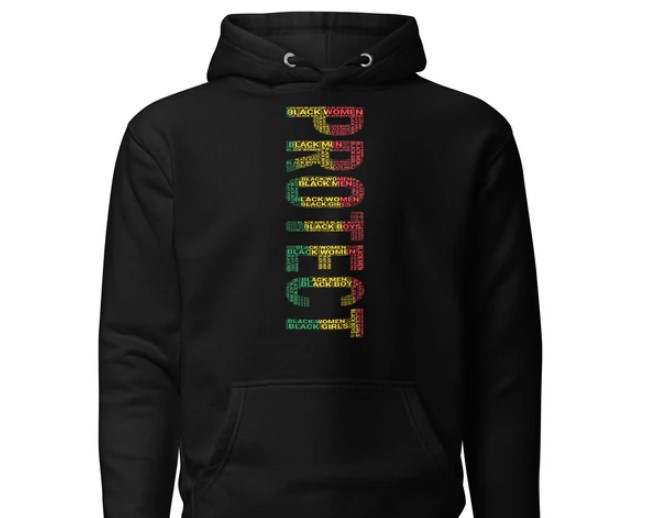
hoodies

African American hoodies are not just pieces of clothing but powerful statements of identity and resilience. By wearing African American-themed apparel, individuals can proudly embrace their cultural heritage and support Black-owned businesses. These hoodies serve as reminders of the ongoing struggle for equality and justice, encouraging dialogue and advocacy within communities. Moreover, purchasing from Black-owned clothing companies helps circulate wealth within the Black community, promoting economic empowerment and self-sufficiency.

The concept of black-owned businesses goes beyond mere ownership; it represents a movement towards economic empowerment and social change. Supporting Black entrepreneurs and creators not only stimulates local economies but also challenges systemic inequalities and promotes diversity in the business world. By prioritizing products from Black-owned businesses, consumers can contribute to a more equitable and inclusive society while celebrating Black excellence and innovation.

Haitian clothing embodies a rich tapestry of history, culture, and identity. By incorporating Haitian-inspired fashion into the market, businesses can amplify the voices of Haitian creatives and entrepreneurs, promoting cross-cultural exchange and appreciation. Supporting Haitian clothing brands not only preserves traditional craftsmanship and artistry but also fosters economic development within the Haitian community. This fusion of Haitian aesthetics with contemporary trends creates a bridge between the past and the present, inviting individuals to explore and celebrate Haiti’s vibrant heritage.

In conclusion, the fusion of community involvement, clothing, and personal finance presents a dynamic landscape for empowerment and social impact. By embracing African clothing, Pan African hats, African American hoodies, Black-owned businesses, and Haitian clothing, businesses can bridge cultural divides, promote economic resilience, and advocate for financial literacy. This integration of fashion and finance not only celebrates diversity and heritage but also paves the way for a more inclusive and prosperous future for all communities involved.

Food Entrepreneur Template | Food Business News

Food Entrepreneur Template | Food Business News

Food Entrepreneur SAN FRANCISCO — Boba, the chewy tapioca pearls historically served in bubble tea, is popping up in a wide range of programs, which include parfaits, pastries and pizzas shared on social media.

“We think bobas are the new sprinkles,” explained Olivia Chen, co-founder and main advertising officer Twrl Milk Tea.

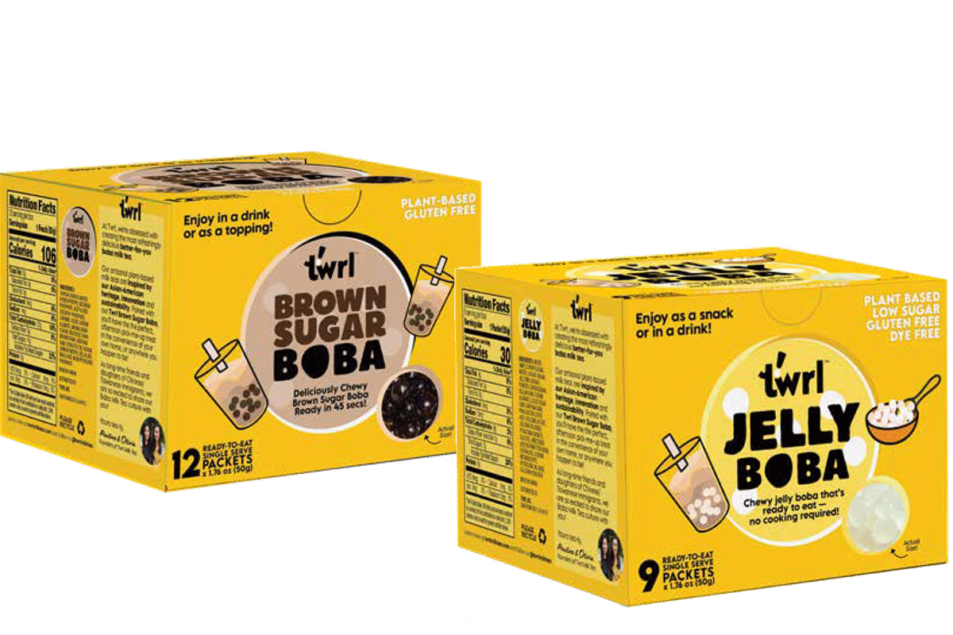
The San Francisco-dependent brand name of canned plant-primarily based lattes, is rolling out boba toppings. Two possibilities, packaged in single-provide packets, contain brown sugar boba that may perhaps be prepared in the microwave or on the stovetop in much less than a minute, and jelly boba, a lessen-calorie different produced with konjac, which is translucent and ready to eat, with a slight lychee taste, Ms. Chen reported.

“Not all bobas are the exact same,” Ms. Chen claimed. “We analyzed a large amount. It took us a yr to really come across the correct co-packer to operate with to carry this to sector.”

The brand’s main product or service line, a plant-based mostly twist on the popular Taiwanese beverage, debuted two years back and is sold on-line and in specialty marketplaces, universities and corporate places of work throughout the nation, Ms. Chen reported. The prepared-to-consume natural lattes have natural and organic tea sourced from China and Japan, plus pea milk and a touch of natural blue agave syrup. The drinks are infused with nitrogen, which provides a foamy texture. Flavors consist of primary black milk tea, supreme jasmine milk tea and hojicha roasted environmentally friendly milk tea. An additional offering is established to sign up for the lineup this Could.

Pauline Ang, co-founder and main government officer, many many years back commenced experimenting in her house kitchen area to produce the formulations, testing much more than 20 dairy alternatives prior to landing on the pea-centered milk, a sustainable possibility with a neutral taste, in accordance to the organization.

Ms. Chen, a longtime marketing executive with earlier stints at Estee Lauder and Clinique, said the addition of packaged boba expands the brand’s existence in retail shops.

“Our method is serving to us build a lot more model awareness and capturing a small little bit of that boba tradition,” she reported.

Gen Z is credited for fueling a modern boba increase in the United States. The worldwide bubble tea market place is forecast to access $4.4 billion in 2027, according to Allie Current market Study. In new several years, mainstream restaurant chains like Dunkin’ and Sonic Drive-In have tapped into the craze, featuring drinks with “bursting” or “popping bubbles.” Many packaged food items manufacturers, like Del Monte Foodstuff and BobaBam, have brought boba to grocery cabinets, far too.

“For us, we really needed to give our customer base a little something they could believe in that is aspect of who we are,” Ms. Chen stated. “I’m Taiwanese American. Pauline is Chinese American. We know what we want in a boba, in plant-based mostly milk tea or in milk tea in typical.” 

Experiencing this content material? Study about a lot more disruptive startups on the Food items Entrepreneur webpage.

Dana Hyde, prominent D.C. lawyer, identified as victim of business jet that hit heavy turbulence

Dana Hyde, prominent D.C. lawyer, identified as victim of business jet that hit heavy turbulence

A girl who died following the business jet she was aboard hit significant turbulence whilst traveling about New England was recognized Monday as a notable Beltway attorney who once served on the 9/11 Fee.

Dana J. Hyde’s identify was unveiled by the Connecticut Point out Troopers, a single of the organizations investigating Friday’s unexpected emergency landing at Bradley Worldwide Airport just north of Hartford.

Dana J. Hyde.
Dana J. Hyde.Conexon

Hyde, 55, who lived in Cabin John, Maryland, was rushed by ambulance to Saint Francis Medical Heart in Hartford, where she was pronounced useless, the agency explained.

Her stays are with the Connecticut Office of the Chief Medical Examiner when the FBI and the Countrywide Transportation Security Board investigate what took place aboard the Bombardier govt jet that was traveling from Keene, New Hampshire, to Leesburg, Virginia, prior to out of the blue diverting to Bradley.

5 people today were aboard the private jet, which is owned by Conexon, a firm based in Kansas Metropolis, Missouri, according to a Federal Aviation Administration databases.

“We can confirm that the plane was owned by Conexon and that Dana Hyde was the wife of Conexon associate Jonathan Chambers,” organization spokesperson Abby Carere claimed in an email. “Jonathan and his son ended up on the flight also and not injured in the incident. “

Conexon specializes in expanding significant-velocity net provider to rural communities.

NTSB investigators have been interviewing the two crew users and two surviving travellers to see, amongst other matters, irrespective of whether they were being wearing seat belts when the plane was hit by turbulence. The jet’s cockpit voice and info recorders had been sent to the NTSB headquarters for examination.

The agency explained Monday it’s seeking at a “described trim difficulty that happened prior to the inflight upset,” a reference to adjustments manufactured to an airplane’s command surfaces to make certain it is secure and level in flight, according to The Associated Push.

Previous year, the Federal Aviation Administration instructed pilots traveling the exact model of Bombardier aircraft to acquire more pre-flight actions immediately after trim complications had been claimed.

Hyde is discovered on her LinkedIn webpage as the co-chair of the Aspen Institute’s Partnership for an Inclusive Financial state.

Jon Purves, a spokesman for the organization, said Hyde was a component-time guide and, in that purpose, served as co-chair of APIE from 2020-2021.

“During her time with us, Dana was a good and generous colleague who worked carefully with programs throughout the firm to construct partnerships and improve our collective do the job,” he explained. “The views of our entire Aspen Institute local community are with Dana’s relatives and loved types.”

Prior to that, Hyde served in the two the Obama and the Clinton administrations and was in non-public follow as perfectly, in accordance to her biography. From 2002 to 2004, she also served on the fee that investigated the Sept. 11, 2001, terrorist assaults.

The Involved Press contributed.