
Stock futures climb after strong economic data helps ease Omicron concerns

Stock futures climb after strong economic data helps ease Omicron concerns

The S&P 500 closed at a record on Thursday in a pre-holiday rally along with the Dow and Nasdaq, buoyed by positive data that suggested the Omicron variant was less likely to lead to hospitalizations. The indexes recouped losses from earlier this week after investors shrugged off worries the variant would stunt economic recovery.

The S&P closed at an all time high of 4,725.72, while the Dow ended the week just shy of 36,000. The Nasdaq Composite also closed 130 points up, or 0.85{1b90e59fe8a6c14b55fbbae1d9373c165823754d058ebf80beecafc6dee5063a}.

“One of the ways pandemics end is significant mutation of the virus. It looks like Omicron may be our friend in that regard, significant mutations different enough from the parent that it doesn’t make people as sick,” True Health Initiative President Dr. David Katz told Yahoo Finance Live.

In other positive news on the COVID-19 front, Merck (MRK) received authorization from the U.S. Food and Drug Administration for its at-home COVID-19 drug, just one day after Pfizer (PFE) was also approved for use of its own treatment.

The pill developed by Merck in conjunction with Ridgeback Biotherapeutics, called molnupiravir, was shown to reduce hospitalizations and deaths by around 30{1b90e59fe8a6c14b55fbbae1d9373c165823754d058ebf80beecafc6dee5063a} in clinical trial data. Pfizer’s pill was reported to be 90{1b90e59fe8a6c14b55fbbae1d9373c165823754d058ebf80beecafc6dee5063a} effective at preventing hospitalizations and deaths in high-risk patients.

Shares of Merck closed down 0.54{1b90e59fe8a6c14b55fbbae1d9373c165823754d058ebf80beecafc6dee5063a} in early trading at $75.75 a piece, while Pfizer’s stock closed at $58.66 per share, down 1.49{1b90e59fe8a6c14b55fbbae1d9373c165823754d058ebf80beecafc6dee5063a}.

Investors weighed a trove of economic releases ahead of the holiday weekend.

The Labor Department reported that initial jobless claims totaled 205,000, sustaining a downward trend from the highs of their pandemic peak and reflecting labor market tightness brought on by a demand for workers heading into the new year. The latest print brings the four-week moving average for new claims to its lowest in 52 years, ticking up by 2,750 week-over-week to reach 206,250.

Meanwhile, U.S. consumer prices accelerated at the fastest pace in nearly four decades as shoppers confront rising inflation levels ahead of the holidays.

“Workers have a lot of power, and that’s likely to result in continued wage gains,” Girard chief investment officer Timothy Chubb told Yahoo Finance. “What worries us from an inflation standpoint is, at what point do we potentially see some of those inflation risks sort of hand the baton to the labor market?”

Meanwhile, November sales of new U.S. homes jumped 12.4{1b90e59fe8a6c14b55fbbae1d9373c165823754d058ebf80beecafc6dee5063a} to a seven-month high of 744,000, buoyed by low mortgage rates and higher demand in the housing industry.

U.S. durable goods orders rose by 2.5{1b90e59fe8a6c14b55fbbae1d9373c165823754d058ebf80beecafc6dee5063a} in November, up from the prior month, boosted by a sharp rise in aircraft orders.

In Wednesday’s trading session, investors weighed an upbeat print on consumer confidence levels and the release of an upwardly revised estimate for domestic GDP, placing all three major averages in the green after a mixed open.

The Conference Board reported consumer confidence increased by a greater-than-expected margin in December, with the headline index at 115.8 during the month and higher than Bloomberg’s consensus estimates of 111.0. In November, the index had a reading of 111.9, revised from an initial report of 109.5. Meanwhile, the nation’s gross domestic product grew at an annual rate of 2.3{1b90e59fe8a6c14b55fbbae1d9373c165823754d058ebf80beecafc6dee5063a} in the third quarter in the final estimate from the Bureau of Economic Analysis after the initial report of 2.1{1b90e59fe8a6c14b55fbbae1d9373c165823754d058ebf80beecafc6dee5063a}.

“We’ve been saying that this is definitely a buy the dip sort of market because we expect more earnings upgrades to come,” Anik Sen, PineBridge Investments global head of equities told Yahoo Finance Live. “We think that the real debate should be about the length and strength of the economic cycle ahead.”

Thursday’s market gains may be the start of the year-end Santa Claus Rally — one in which stocks climb higher in the final seven trading sessions of a year, plus the first two trading days of the new year. Starting today, traders are looking to see whether nearly a century of data will uphold.

For reasons unclear, over the past 92 years, the S&P 500 gained 77{1b90e59fe8a6c14b55fbbae1d9373c165823754d058ebf80beecafc6dee5063a} of the time during the year-end rally period, according to data from Sundial Capital Research. The average gain in this nine-day trading period tallied 2.66{1b90e59fe8a6c14b55fbbae1d9373c165823754d058ebf80beecafc6dee5063a}.

4:00 p.m. ET: S&P 500 closes at a record

Here were the main moves as markets closed ahead of the Christmas weekend:

  • S&P 500 (^GSPC): +29.16 (+0.62{1b90e59fe8a6c14b55fbbae1d9373c165823754d058ebf80beecafc6dee5063a}) to 4,725.72

  • Dow (^DJI): +196.57 (+0.55{1b90e59fe8a6c14b55fbbae1d9373c165823754d058ebf80beecafc6dee5063a}) to 35,950.46

  • Nasdaq (^IXIC): +131.48 (+0.85{1b90e59fe8a6c14b55fbbae1d9373c165823754d058ebf80beecafc6dee5063a}) to 15,653.37

  • Crude (CL=F): +$1.13 (+1.55{1b90e59fe8a6c14b55fbbae1d9373c165823754d058ebf80beecafc6dee5063a}) to $73.89 a barrel

  • Gold (GC=F): +$7.90 (+0.44{1b90e59fe8a6c14b55fbbae1d9373c165823754d058ebf80beecafc6dee5063a}) to $1,810.10 per ounce

  • 10-year Treasury (^TNX): +3.6 bps to yield 1.4930{1b90e59fe8a6c14b55fbbae1d9373c165823754d058ebf80beecafc6dee5063a}

12:32 p.m. ET: S&P 500 climbs to new high

Here were the main moves during intraday trading:

  • S&P 500 (^GSPC): +32.83 (+0.70{1b90e59fe8a6c14b55fbbae1d9373c165823754d058ebf80beecafc6dee5063a}) to 4,729.39

  • Dow (^DJI): +230.23 (+0.64{1b90e59fe8a6c14b55fbbae1d9373c165823754d058ebf80beecafc6dee5063a}) to 35,984.12

  • Nasdaq (^IXIC): +128.35 (+0.83{1b90e59fe8a6c14b55fbbae1d9373c165823754d058ebf80beecafc6dee5063a}) to 15,650.25

  • Crude (CL=F): +$0.92 (+1.26{1b90e59fe8a6c14b55fbbae1d9373c165823754d058ebf80beecafc6dee5063a}) to $73.68 a barrel

  • Gold (GC=F): +$6.80 (+0.38{1b90e59fe8a6c14b55fbbae1d9373c165823754d058ebf80beecafc6dee5063a}) to $1,809.00 per ounce

  • 10-year Treasury (^TNX): +3.6 bps to yield 1.4930{1b90e59fe8a6c14b55fbbae1d9373c165823754d058ebf80beecafc6dee5063a}

10:21 a.m. ET: New homes sales rise to highest since April

November sales of new U.S. homes jumped 12.4{1b90e59fe8a6c14b55fbbae1d9373c165823754d058ebf80beecafc6dee5063a} to a seven-month high. The Census Bureau reported that new home sales rose 82,000 last month from October to 744,000, buoyed by low mortgage rates and higher demand in the housing industry.

Forecast ranged between 737,000-850,000 across 51 estimates, with a median of 770,000, according to Bloomberg data.

The median sales price of a new home sold in November was $416,900, 14.1{1b90e59fe8a6c14b55fbbae1d9373c165823754d058ebf80beecafc6dee5063a} higher than a year ago.

9:30 a.m. ET: Markets open higher following economic releases

Here were the main moves in markets at open Thursday morning:

  • S&P 500 (^GSPC): +10.69 (+0.23{1b90e59fe8a6c14b55fbbae1d9373c165823754d058ebf80beecafc6dee5063a}) to 4,707.25

  • Dow (^DJI): +102.67 (+0.29{1b90e59fe8a6c14b55fbbae1d9373c165823754d058ebf80beecafc6dee5063a}) to 35,856.56

  • Nasdaq (^IXIC): +180.81 (+1.18{1b90e59fe8a6c14b55fbbae1d9373c165823754d058ebf80beecafc6dee5063a}) to 15,521.89

  • Crude (CL=F): +$0.12 (+0.16{1b90e59fe8a6c14b55fbbae1d9373c165823754d058ebf80beecafc6dee5063a}) to $72.88 a barrel

  • Gold (GC=F): +$5.30 (+0.29{1b90e59fe8a6c14b55fbbae1d9373c165823754d058ebf80beecafc6dee5063a}) to $1,807.50 per ounce

  • 10-year Treasury (^TNX): +0.5 bps to yield 1.4620{1b90e59fe8a6c14b55fbbae1d9373c165823754d058ebf80beecafc6dee5063a}

9:07 a.m. ET: Consumer prices accelerate, while spending slows

U.S. consumer prices accelerated at the fastest pace in nearly four decades. The Commerce Department reported an increase of 5.7{1b90e59fe8a6c14b55fbbae1d9373c165823754d058ebf80beecafc6dee5063a} over the past 12 months, reflecting the fastest gain in 39 years as shoppers confront rising inflation levels ahead of the holidays. 

Meanwhile, personal spending rose 0.6{1b90e59fe8a6c14b55fbbae1d9373c165823754d058ebf80beecafc6dee5063a} in November, a slowdown from last month’s print of 1.4{1b90e59fe8a6c14b55fbbae1d9373c165823754d058ebf80beecafc6dee5063a}. The figure, which accounts for 70{1b90e59fe8a6c14b55fbbae1d9373c165823754d058ebf80beecafc6dee5063a} of economic activity, comes amid the latest wave of COVID-19 cases, hinting at the possibility of a broader economic slowdown. 

Personal incomes rose 0.4{1b90e59fe8a6c14b55fbbae1d9373c165823754d058ebf80beecafc6dee5063a} in November, down slightly from the 0.5{1b90e59fe8a6c14b55fbbae1d9373c165823754d058ebf80beecafc6dee5063a} increase in October.

8:42 a.m. ET: Durable goods orders beat expectations

U.S. durable goods orders rose by 2.5{1b90e59fe8a6c14b55fbbae1d9373c165823754d058ebf80beecafc6dee5063a} in November, up from the prior month, boosted by a sharp rise in aircraft orders.

Core capital goods orders, a measure of business investment in equipment that excludes aircraft and military hardware, fell 0.1{1b90e59fe8a6c14b55fbbae1d9373c165823754d058ebf80beecafc6dee5063a} after an upwardly revised 0.9{1b90e59fe8a6c14b55fbbae1d9373c165823754d058ebf80beecafc6dee5063a} increase in October, according to Bloomberg.

The median Bloomberg estimates projected a 0.7{1b90e59fe8a6c14b55fbbae1d9373c165823754d058ebf80beecafc6dee5063a} increase in core capital goods orders and a 1.8{1b90e59fe8a6c14b55fbbae1d9373c165823754d058ebf80beecafc6dee5063a} rise in total durables bookings.

8:30 a.m. ET: First-time unemployment filings remain at pre-pandemic levels

Initial jobless claims remained at pre-pandemic lows, sustaining a downward trend from the highs of their coronavirus peak and reflecting labor market tightness brought on by a demand for workers heading into the new year.

The Labor Department reported on Thursday that new initial jobless claims totaled 205,000 for the week ending December 18, on par with consensus estimates. The latest print brings the four-week moving average for new claims to its lowest in 52 years, ticking up by 2,750 week-over-week to reach 206,250.

“The direction in the labor market recovery remains positive, with demand still strong,” Rubeela Farooqi, chief economist for High Frequency Economics, wrote in a note. “Labor shortages are persisting, preventing a stronger recovery, although these appeared to ease somewhat in November.”

7:00 a.m. ET: Contracts on Dow, S&P, and Nasdaq edge higher ahead of open

Here’s how markets were moving in early trading on Thursday:

  • S&P 500 futures (ES=F): +13.75 points (+0.29{1b90e59fe8a6c14b55fbbae1d9373c165823754d058ebf80beecafc6dee5063a}), to 4,699.75

  • Dow futures (YM=F): +107.00 points (+0.30{1b90e59fe8a6c14b55fbbae1d9373c165823754d058ebf80beecafc6dee5063a}), to 35,739.00

  • Nasdaq futures (NQ=F): +34.75 points (+0.21{1b90e59fe8a6c14b55fbbae1d9373c165823754d058ebf80beecafc6dee5063a}) to 16,204.50

  • Crude (CL=F): +$0.20 (+0.27{1b90e59fe8a6c14b55fbbae1d9373c165823754d058ebf80beecafc6dee5063a}) to $72.96 a barrel

  • Gold (GC=F): +$5.20 (+0.29{1b90e59fe8a6c14b55fbbae1d9373c165823754d058ebf80beecafc6dee5063a}) to $1,807.40 per ounce

  • 10-year Treasury (^TNX): +0.08 bps to yield {1b90e59fe8a6c14b55fbbae1d9373c165823754d058ebf80beecafc6dee5063a} 130.66

6:01 p.m. Wednesday ET: Stock futures flat ahead of overnight trading

Here’s how markets were moving in late trading on Wednesday:

  • S&P 500 futures (ES=F): +4.00 points (+0.09{1b90e59fe8a6c14b55fbbae1d9373c165823754d058ebf80beecafc6dee5063a}), to 4,690.00

  • Dow futures (YM=F): +19.00 points (+0.05{1b90e59fe8a6c14b55fbbae1d9373c165823754d058ebf80beecafc6dee5063a}), to 35,651.00

  • Nasdaq futures (NQ=F): +11.05 points (+0.07{1b90e59fe8a6c14b55fbbae1d9373c165823754d058ebf80beecafc6dee5063a}) to 16,181.25

  • Crude (CL=F): +$0.30 (+0.41{1b90e59fe8a6c14b55fbbae1d9373c165823754d058ebf80beecafc6dee5063a}) to $73.06 a barrel

  • Gold (GC=F): +$3.00 (+0.17{1b90e59fe8a6c14b55fbbae1d9373c165823754d058ebf80beecafc6dee5063a}) to $1,805.20 per ounce

  • 10-year Treasury (^TNX): +0.06 bps to yield {1b90e59fe8a6c14b55fbbae1d9373c165823754d058ebf80beecafc6dee5063a} 161.4375

Alexandra Semenova is a reporter for Yahoo Finance. Follow her on Twitter @alexandraandnyc

Read the latest financial and business news from Yahoo Finance

Follow Yahoo Finance on Twitter, Instagram, YouTube, Facebook, Flipboard, and LinkedIn
A Quiet Economic Calendar Leaves Omicron News and Sentiment Towards the FED in Focus

A Quiet Economic Calendar Leaves Omicron News and Sentiment Towards the FED in Focus

Tuesday, 14th December

Eurozone Industrial Production (MoM) (Oct)

Wednesday, 15th December

French CPI (MoM) (Nov) Final

French HICP (MoM) (Nov) Final

Spanish CPI (YoY) (Nov) Final

Spanish HICP (YoY) (Nov) Final

Italian CPI (MoM) (Nov) Final

Thursday, 16th December

French Manufacturing PMI (Dec) Prelim

French Services PMI (Dec) Prelim

German Manufacturing PMI (Dec) Prelim

German Services PMI (Dec) Prelim

Eurozone Private Sector PMIs (Dec) Prelim

Eurozone Wages / Trade Data

ECB Policy Decision and Press Conference

Friday, 17th December

German PPI (MoM) (Nov)

German Ifo Business Climate Index (Dec)

Eurozone Inflation (Nov) Final

The Majors

It was a bearish end to the week for the European majors on Friday.

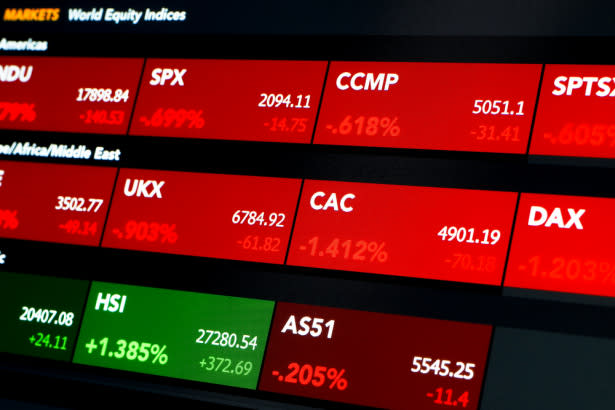
The DAX30 slipped by 0.10{1b90e59fe8a6c14b55fbbae1d9373c165823754d058ebf80beecafc6dee5063a}, with the CAC40 and EuroStoxx600 ending the day down by 0.24{1b90e59fe8a6c14b55fbbae1d9373c165823754d058ebf80beecafc6dee5063a} and by 0.30{1b90e59fe8a6c14b55fbbae1d9373c165823754d058ebf80beecafc6dee5063a} respectively.

Finalized inflation figures from Germany had a muted impact on the majors, with the markets focused on U.S inflation on the day.

Later in the European session, another pickup in inflationary pressure supported a more hawkish set of interest rate projections next week. What remains unclear, however, is how the FED sees inflation and the new Omicron strain impacting growth.

Away from the economic calendar, news updates from labs across the world remained a key area of interest. While early tests showed that vaccine efficacy was materially lower, there were also indications that the new strain was a milder form.

The Stats

It was a quiet day on the Eurozone economic calendar. Finalized German inflation figures were in focus going into the European open.

In November, German consumer prices fell by 0.2{1b90e59fe8a6c14b55fbbae1d9373c165823754d058ebf80beecafc6dee5063a}, which was in line with prelim figures. Consumer prices had risen by 0.5{1b90e59fe8a6c14b55fbbae1d9373c165823754d058ebf80beecafc6dee5063a} in October.

Germany’s annual rate of inflation accelerated from 4.5{1b90e59fe8a6c14b55fbbae1d9373c165823754d058ebf80beecafc6dee5063a} to 5.2{1b90e59fe8a6c14b55fbbae1d9373c165823754d058ebf80beecafc6dee5063a}, which was also in line with prelim figures.

According to Destatis,

  • The inflation rate increased for the 6th time in a row, reaching the highest level recorded in 2021.

  • A higher inflation rate was last recorded in Jun-1992, when the rate of inflation was 5.8{1b90e59fe8a6c14b55fbbae1d9373c165823754d058ebf80beecafc6dee5063a}.

  • Compared with Nov-2020, energy prices were up 22.1{1b90e59fe8a6c14b55fbbae1d9373c165823754d058ebf80beecafc6dee5063a}, with prices for food up 4.5{1b90e59fe8a6c14b55fbbae1d9373c165823754d058ebf80beecafc6dee5063a}.

  • Excluding energy, Germany’s annual rate of inflation stood at 3.4{1b90e59fe8a6c14b55fbbae1d9373c165823754d058ebf80beecafc6dee5063a}.

  • Prices for services increased by 2.9{1b90e59fe8a6c14b55fbbae1d9373c165823754d058ebf80beecafc6dee5063a} compared with the same month a year earlier.

From the U.S

Inflation and consumer sentiment figures were in focus late in the European session.

In November, the U.S core annual rate of inflation picked up from 4.6{1b90e59fe8a6c14b55fbbae1d9373c165823754d058ebf80beecafc6dee5063a} to 4.9{1b90e59fe8a6c14b55fbbae1d9373c165823754d058ebf80beecafc6dee5063a}, which was in line with forecasts. For the month of November, core consumer prices rose by 0.5{1b90e59fe8a6c14b55fbbae1d9373c165823754d058ebf80beecafc6dee5063a}, with consumer prices up 0.8{1b90e59fe8a6c14b55fbbae1d9373c165823754d058ebf80beecafc6dee5063a}.

In spite of the pickup in inflation, consumer sentiment unexpectedly improved in December.

According to prelim figures, the Michigan Consumer Sentiment Index climbed from 67.4 to 70.4 versus a forecasted fall to 67.1. Hopes of a pickup in wage growth amidst rising prices supported improved sentiment.

The Market Movers

For the DAX: It was a mixed day for the auto sector on Friday. Continental rose by 1.10{1b90e59fe8a6c14b55fbbae1d9373c165823754d058ebf80beecafc6dee5063a} to buck the trend.

Daimler tumbled by 13.82{1b90e59fe8a6c14b55fbbae1d9373c165823754d058ebf80beecafc6dee5063a}, however, with Volkswagen and BMW ending the day down by 1.00{1b90e59fe8a6c14b55fbbae1d9373c165823754d058ebf80beecafc6dee5063a} and by 0.73{1b90e59fe8a6c14b55fbbae1d9373c165823754d058ebf80beecafc6dee5063a} respectively.

It was also a mixed day for the banks. Deutsche Bank fell by 0.82{1b90e59fe8a6c14b55fbbae1d9373c165823754d058ebf80beecafc6dee5063a}, while Commerzbank rose by 0.17{1b90e59fe8a6c14b55fbbae1d9373c165823754d058ebf80beecafc6dee5063a}.

From the CAC, it was a bearish day for the banks. Soc Gen and Credit Agricole fell by 0.50{1b90e59fe8a6c14b55fbbae1d9373c165823754d058ebf80beecafc6dee5063a} and by 0.65{1b90e59fe8a6c14b55fbbae1d9373c165823754d058ebf80beecafc6dee5063a} respectively, with BNP Paribas declining by 1.24{1b90e59fe8a6c14b55fbbae1d9373c165823754d058ebf80beecafc6dee5063a}.

The French auto sector had a mixed session, however. Stellantis NV rose by 0.26{1b90e59fe8a6c14b55fbbae1d9373c165823754d058ebf80beecafc6dee5063a}, while Renault ended the day down by 0.45{1b90e59fe8a6c14b55fbbae1d9373c165823754d058ebf80beecafc6dee5063a}.

Air France-KLM and Airbus SE avoided the red, rising by 0.43{1b90e59fe8a6c14b55fbbae1d9373c165823754d058ebf80beecafc6dee5063a} and by 0.08{1b90e59fe8a6c14b55fbbae1d9373c165823754d058ebf80beecafc6dee5063a} respectively.

On the VIX Index

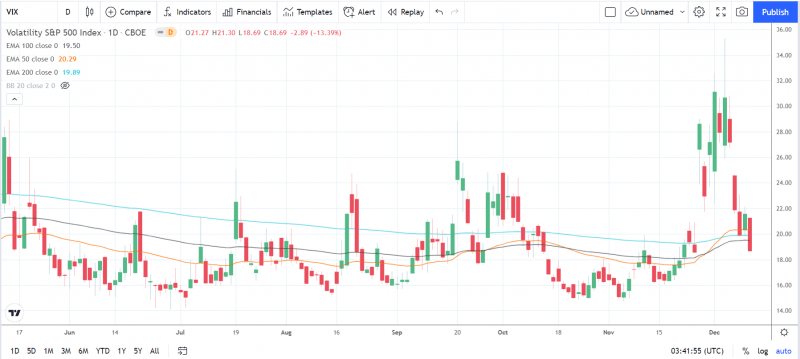
It was back into the red for the VIX on Friday, marking a 4th day in the red for the week.

Reversing an 8.44{1b90e59fe8a6c14b55fbbae1d9373c165823754d058ebf80beecafc6dee5063a} rise on Thursday, the VIX slid by 13.39{1b90e59fe8a6c14b55fbbae1d9373c165823754d058ebf80beecafc6dee5063a} to end the day at 18.69.

The Dow ended the day up by 0.60{1b90e59fe8a6c14b55fbbae1d9373c165823754d058ebf80beecafc6dee5063a}, with the NASDAQ and the S&P500 gaining 0.73{1b90e59fe8a6c14b55fbbae1d9373c165823754d058ebf80beecafc6dee5063a} and by 0.95{1b90e59fe8a6c14b55fbbae1d9373c165823754d058ebf80beecafc6dee5063a} respectively.

The Day Ahead

It’s a quiet day ahead on the Eurozone’s economic calendar. There are no material stats due out of the Eurozone to provide the majors with direction.

From the U.S, there are also no stats to consider, leaving the majors in the hands of OPEC’s monthly report and Omicron news updates.

With the FED in action on Wednesday and the ECB in focus on Thursday, it could be a testy start to the week.

The Futures

In the futures markets, at the time of writing, the Dow Mini was up by 31 points.

For a look at all of today’s economic events, check out our economic calendar.

This article was originally posted on FX Empire

More From FXEMPIRE:

trip insurance: Omicron and Travel: So, now do I need trip insurance?

trip insurance: Omicron and Travel: So, now do I need trip insurance?
While the pandemic has depressed travel, it may have encouraged travel insurance, say those in the industry.

“The biggest question we get from customers is: ‘What happens if I get COVID during travel and what if I have to quarantine?’” said Jeremy Murchland, the president of Seven Corners, a travel insurance management company. “COVID has created a much broader awareness of travel insurance.”

But will it help you in light of the new omicron variant, which has already led to new travel restrictions and requirements? In the early days of the pandemic, travel insurance largely failed to protect travelers who wanted or needed to cancel as the world shut down.

The following are answers to common questions about travel insurance now.

Does travel insurance cover COVID-19, including the new omicron variant?
For the most part, yes, travel insurance policies now treat COVID-19 in all its variants — including omicron — like any other medical emergency.

“Consumers should know that most travel insurance plans with medical benefits now treat COVID like any other illness that you could contract while traveling or that could prohibit you from going on your trip,” said Carol Mueller, a vice president of Berkshire Hathaway Travel Protection. “If you become ill before your trip, you’ll need a doctor’s note confirming your illness and that you are unable to travel in order to be eligible for benefits. The benefits are the same regardless of whether you contract omicron, another variant of COVID or any illness for that matter.”

Buyers should read the policies carefully and look out for those that exclude pandemics, COVID-19 and its variants. To make a claim, you must have had travel insurance before becoming ill.

“We always say, you can’t buy auto insurance after you’ve already had an accident,” said Meghan Walch, the product manager of InsureMyTrip, an insurance sales site. “It is designed for unforeseen issues. You have to purchase it before an event.”


I am traveling internationally. If borders close because of omicron, am I covered through travel insurance?


No, most policies do not cover you if your foreign destination closes its borders to visitors, as Israel did recently. With a few exceptions, that also goes for a government-issued travel warning to a destination, which is generally not a covered reason to make a claim.


Given the added uncertainties of omicron, should I consider a ‘Cancel for Any Reason’ policy?


Cancel for Any Reason, or CFAR, provisions would allow you to claim some of your nonrefundable costs if you decide not to go on a trip for any reason, including border closures or fear of contracting COVID-19. The rub is that this form of insurance — in addition to being more expensive — must generally be purchased within a few weeks of booking the trip and will return only 50{1b90e59fe8a6c14b55fbbae1d9373c165823754d058ebf80beecafc6dee5063a} to 75{1b90e59fe8a6c14b55fbbae1d9373c165823754d058ebf80beecafc6dee5063a} of nonrefundable trip costs.

“Most travel insurance policies do not cover you for wanting to cancel out of fear of COVID. We say this 10 times a week,” said Sarah Groen, the owner of the agency Bell and Bly Travel.

She counsels clients to consider their worst fears — illness, for example, or quarantine — in troubleshooting travel insurance.

“We’ve become like therapists,” she said.

What about quarantine and medical expenses?
Make sure the policy you choose covers these. In the case of medical coverage, check with your regular health insurer; many policies will not cover you abroad, which is an additional reason to consider coverage if you are traveling internationally.

“What travel insurance can do is cover additional hotel stays if you are able to self-quarantine and additional airfare when you’re able to come home,” said Megan Moncrief, the chief marketing officer for Squaremouth, a travel insurance sales site.

She added that most policies will extend to seven days past your originally scheduled return date, effectively covering only about seven days in case of quarantine.

Do some destinations require travel insurance?
Yes, primarily to cover medical care or quarantine accommodations in the event that a traveler tests positive for COVID-19. For example, Singapore requires medical insurance with a minimum coverage of 30,000 Singapore dollars, or about $22,000. Fiji requires travel insurance to cover potential treatment for COVID-19, and makes it available from about $30. Some destinations, such as Anguilla, recommend rather than require travel insurance. InsureMyTrip.com has a page devoted to countries that require travel insurance.

It bears thinking about what it would take to get home for treatment should you contract COVID-19 abroad. Thailand, for example, requires travelers to have medical insurance with the minimum coverage of $50,000.

“Evacuation out of Thailand would be higher,” said Sasha Gainullin, the CEO of Battleface, a travel insurance startup that unbundles benefits.

In the case of a Thailand trip, he advised taking medical coverage up to $100,000 for treatment locally and $500,000 for medical evacuation and repatriation.

Do I need insurance if I have bookings with flexible cancellation policies?
Probably not, if you have hotel reservations that allow free cancellation 24-48 hours in advance. The same with flights; if your flight is changeable and will provide a voucher or refund in case of cancellation, you’re covered.


I have rented a house with restrictive cancellation penalties. Can I insure against those?


Yes. Vacation home rentals from Airbnb and the like can be treated just like other accommodations that do not offer refunds. In this case, you would want to get a policy in the amount you would forfeit if you had to cancel for a covered reason like illness. Again, fear of travel is not a covered reason; for that, you would need CFAR.

Travel insurance spikes as omicron fuels cancellation fears

Travel insurance spikes as omicron fuels cancellation fears

This week, health officials identified the first cases of the omicron variant in Florida. What that means going forward is still unknown, but it puts future plans at risk all over again.

The uncertainty over more coronavirus outbreaks and closures is leading travelers to buy travel insurance at record rates, according to Megan Moncrief, the chief marketing officer at St. Petersburg-based Squaremouth. The travel insurance agency saw sales increase by 53 percent following the arrival of omicron.

Concerns about canceled travel plans are higher now, compared to the 20 percent spike Squaremouth saw following the delta variant, Moncrief said. Even with delta, the travel industry was still fairly optimistic as borders reopened to foreign travelers.

Related: Tampa International Airport plans to restore routes as U.S. border opens to vaccinated travelers

“Going into the holidays, there was quite a bit of confidence with a lot of destinations open,” Moncrief said. “Then the new variant made everyone a little bit shell shocked.”

Moncrief spoke with the Tampa Bay Times about what’s driving traveler concerns and what travel insurance can cover. This interview has been edited for length and clarity.

How could the omicron variant impact travel plans?

We spoke to a lot of our customers to gauge concerns. They seem to be shifting more toward travelers worried if they’ll contract COVID-19 or have to quarantine. With the variant, we immediately saw three countries close their borders, one of which is Israel, currently our fourth top international destination, so a very popular country as far as U.S. tourism. We all know those border closings happened last year and caused this huge drop in travel altogether. Travelers had trips booked and then were immediately nervous that the border was once again going to close.

Megan Moncrief, the chief marketing officer at St. Petersburg-based Squaremouth.
Megan Moncrief, the chief marketing officer at St. Petersburg-based Squaremouth. [ ASHLEE HAMON PHOTOGRAPHY, INC | Ashlee Hamon Photography, INC ]

How is the omicron variant affecting expectations that international travel would rebound after the U.S. border reopened to foreign travelers last month?

It’s kind of a wait-and-see pattern right now. We’re seeing a lot of chatter about additional restrictions: more negative tests, vaccines and quarantine requirements potentially upon a return or even arrival. We haven’t seen widespread closures like we did in early 2020. But it’s still pretty early.

Obviously the holidays are a busy travel season. Our sales are up as far as insurance, but that doesn’t mean travel is up. It could just be more scared travelers. Or it could mean more people booking trips and therefore booking insurance.

Follow trends affecting the local economy

Follow trends affecting the local economy

Subscribe to our free Business by the Bay newsletter

We’ll break down the latest business and consumer news and insights you need to know every Wednesday.

You’re all signed up!

Want more of our free, weekly newsletters in your inbox? Let’s get started.

Explore all your options

Related: Tampa International Airport sees record travelers for Thanksgiving

How should travelers prepare if they want to go out of the country right now?

There’s so much out there and it can be hard to find one place that has the most current information. We’re urging our customers before they even book a travel insurance policy to find out everything that you can from their destination, airlines and hotel. Understand what policies are in place, what requirements there are of you, when do you need to have your negative test, do you need to be vaccinated at your destination?

Don’t spend more money on a policy than you have to on what could already be an expensive trip. Look into a travel insurance policy for any gaps there might be.

What does travel insurance not cover?

The big gap right now is a border closure. Travel insurance policies don’t have the term ‘border closure’ or anything related to a border closure included under a standard trip cancellation policy.

Now, there are a few that will provide coverage for a government-issued travel warning, like a CDC level 4 alert or higher. So that can potentially be helpful in this scenario as long as the policy is purchased before that alert is issued.

Unfortunately, prior to 2020 this was never a main concern. So it’s going to take time for the travel insurance providers to adjust their coverage and adhere to these new and evolving kinds of traveler concerns. So if that is your No. 1 concern — the border closed and you can’t go, or you’re scared of this new variant, maybe you’re high risk or just not comfortable traveling anymore — that’s also not going to be covered under a standard travel insurance policy.

What most policies will cover is contracting COVID-19, whether it was before or during your trip. There are additional types of policies that you can purchase to have more coverage.

Related: Tampa Bay holiday travelers, be wary of flight delays and cancellations

How much has travel insurance changed in the past two years?

We’ve seen a lot of providers already come to the market with quarantine coverage. There’s a focus on coverage for domestic trips or what additional benefits will be applicable to domestic travelers in 2020. And then quite a few have added or increased benefit limits for travel delay to cover quarantine.

We’re also seeing new providers come to the market with ‘cancel for any reason’ coverage. Like it says, you can cancel for any reason. It was hugely popular last year. Our percentage of sales on these policies went from less than 4 percent up to about 30 percent.

A lot of providers are trying to find ways to cover border closures or airline disruptions, but it just takes time. It has to be approved in every state. It has to be rated.

What else should travelers know right now?

If you have a trip booked, months in advance or even just a month in advance, reach out to your travel suppliers and understand your options. The more recently your trip was booked, the more likely you are to have additional benefits that can cover basically anything that can impact your trip. But if you booked your trip months in advance — like we’re seeing from most of our travelers when everyone was pretty confident prior to Thanksgiving weekend — reach out and see what your options are.

Don’t just jump to buy a travel insurance policy. We don’t want you to spend money if it’s not going to have the coverage that you need.

Stocks mixed after two-day rally amid Pfizer’s Omicron vaccine update

Stocks mixed after two-day rally amid Pfizer’s Omicron vaccine update

Stocks traded mixed to pause after a two-day rally, as investors further considered updates around the Omicron variant and weighed a potential policy pivot by the Federal Reserve. 

A day earlier, technology stocks outperformed to pull the Nasdaq higher by more than 3{1b90e59fe8a6c14b55fbbae1d9373c165823754d058ebf80beecafc6dee5063a}, in its best day since March. As of Tuesday’s close, the S&P 500 was less than 0.5{1b90e59fe8a6c14b55fbbae1d9373c165823754d058ebf80beecafc6dee5063a} below its levels from Nov. 24, or the session before the World Health Organization’s announcement of the Omicron’s discovery.

Treasury yields steadied after a jump on Tuesday, and the yield on the 10-year Treasury note traded just below 1.5{1b90e59fe8a6c14b55fbbae1d9373c165823754d058ebf80beecafc6dee5063a}. U.S. West Texas intermediate crude oil futures hovered around $71 per barrel, while Bitcoin slipped back near $50,000. 

Investors have snapped up risk assets so far this week amid prospects that the Omicron variant may not pose as severe a health threat as previously feared. And elsewhere, the latest developments in Washington, D.C., indicated lawmakers were on track to raise the debt-ceiling before a Dec. 15 deadline, which if not extended would leave the U.S. Treasury without sufficient funds to repay U.S. debt holders. The House of Representatives voted Tuesday night to approve a bill paving the way for Senate lawmakers to raise the limit with a simple majority vote.

Pfizer (PFE) shares traded slightly higher after the company said that three doses of its Pfizer-BioNTech (BNTX) vaccine “neutralize” the Omicron variant, while noting that two doses “may not be sufficient to protect against infection” with Omicron. Other recent developments around the virus have also been upbeat, with Dr. Anthony Fauci telling the AFP on Tuesday that Omicron infections are “almost certainly” not more severe than those caused by the previous Delta variant. 

“Economic growth is going to be strong. Certainly the Omicron variant could possibly push some of that out, but it won’t eliminate it given the underlying fundamentals,” Brent Schutte, chief investment strategist for Northwestern Mutual, told Yahoo Finance Live. “And the Federal Reserve certainly will focus a bit more on tapering — that kind of spooked the market — but ask yourself: What impact is that going to have on growth? The answer to us is not much. You are still going to have a strong U.S. economy next year on the back of reopening, on the back of all the cash that is still available on the consumer balance sheet.” 

Other strategists echoed these sentiments. 

“We do think that there is fundamental support there for markets to continue to move higher here,” Emily Roland, co-chief investment strategist at John Hancock investment management, told Yahoo Finance Live on Tuesday. “Obviously we had a couple of things spook us over the last week or so, the emergence of the Omicron variant as well as this pivot from the Fed, potentially seeing them accelerating their tapering of asset purchases here. But the bottom line is that the economy is strong.” 

“So until it looks like we’re inching closer to a recession here, which we’re nowhere near at this point, it’s hard for us to get too defensive,” she added. “We continue to embrace equities, we like the U.S. the most, that’s where we’re seeing the best relative economic growth, that’s where we’re seeing the best relative earnings growth. And again, the other element here is that there is a ton of cash on the sidelines that’s looking to get put to work.” 

4:09 p.m. ET: Stocks eke out third straight day of gains after Pfizer says third dose of vaccine neutralizes Omicron

Here were the main moves in markets as of 4:09 p.m. ET:

  • S&P 500 (^GSPC): +14.46 (+0.31{1b90e59fe8a6c14b55fbbae1d9373c165823754d058ebf80beecafc6dee5063a}) to 4,701.21

  • Dow (^DJI): +35.32 (+0.10{1b90e59fe8a6c14b55fbbae1d9373c165823754d058ebf80beecafc6dee5063a}) to 35,754.75

  • Nasdaq (^IXIC): +100.07 (+0.64{1b90e59fe8a6c14b55fbbae1d9373c165823754d058ebf80beecafc6dee5063a}) to 15,786.99

  • Crude (CL=F): +$0.54 (+0.75{1b90e59fe8a6c14b55fbbae1d9373c165823754d058ebf80beecafc6dee5063a}) to $72.59 a barrel

  • Gold (GC=F): +$2.10 (+0.12{1b90e59fe8a6c14b55fbbae1d9373c165823754d058ebf80beecafc6dee5063a}) to $1,786.80 per ounce

  • 10-year Treasury (^TNX): +2.9 bps to yield 1.5090{1b90e59fe8a6c14b55fbbae1d9373c165823754d058ebf80beecafc6dee5063a}

11:11 a.m. ET: Crude oil inventories dropped less than expectedT last week: EIA

The Energy Information Administration said in its weekly report Wednesday that U.S. crude oil inventories dropped by 241,000 barrels last week. 

The sum was much less pronounced than the drop of 1.521 million barrels consensus economists were expecting, based on Bloomberg data. The weekly report also spotlighted that crude imports fell by 105,000 barrels per day, while crude production increased by 100,000 barrels per day. 

U.S. West Texas intermediate crude oil futures ticked down by about 0.3{1b90e59fe8a6c14b55fbbae1d9373c165823754d058ebf80beecafc6dee5063a} Wednesday morning, to give back some gains after jumping by 3.7{1b90e59fe8a6c14b55fbbae1d9373c165823754d058ebf80beecafc6dee5063a} on. Tuesday and 4.9{1b90e59fe8a6c14b55fbbae1d9373c165823754d058ebf80beecafc6dee5063a} on Monday. Brent crude oil futures, the international benchmark, edged lower by about the same margin to hover above $75 per barrel. 

10:00 a.m. ET: Job openings climb to near-record high in October

Job openings in the U.S. jumped by a greater-than-expected margin in October, underscoring the still-widespread mismatches in labor supply and demand as shortages abound.

The Labor Department said Wednesday that U.S. job openings totaled 11.033 million in October, coming in above consensus economists’ expectations for 10.469 million, according to Bloomberg data. Job openings in September were upwardly revised to 10.602 million, from the 10.438 million previously reported.

The quits rate came down only slightly in October to reach 2.8{1b90e59fe8a6c14b55fbbae1d9373c165823754d058ebf80beecafc6dee5063a}, versus September’s all-time high of 3.0{1b90e59fe8a6c14b55fbbae1d9373c165823754d058ebf80beecafc6dee5063a}. 

9:30 a.m. ET: Stocks open higher amid Pfizer vaccine news

Stocks traded mixed and came off the highs of the overnight session as investors continued to digest new updates on Pfizer’s COVID-19 vaccine and its efficacy against the Omicron variant. 

The Dow traded higher by more than 100 points, or 0.3{1b90e59fe8a6c14b55fbbae1d9373c165823754d058ebf80beecafc6dee5063a}. The S&P 500 was little changed, while the Nasdaq dropped 0.2{1b90e59fe8a6c14b55fbbae1d9373c165823754d058ebf80beecafc6dee5063a}. 

Small-cap stocks continued to jump, with the Russell 2000 index up another more than 2{1b90e59fe8a6c14b55fbbae1d9373c165823754d058ebf80beecafc6dee5063a}. 

7:32 a.m. ET Wednesday: Stocks head for third straight session of gains

Here’s where markets were trading ahead of opening bell:

  • S&P 500 futures (ES=F): +13.5 points (+0.29{1b90e59fe8a6c14b55fbbae1d9373c165823754d058ebf80beecafc6dee5063a}), to 4,698.50

  • Dow futures (YM=F): +114.00 points (+0.32{1b90e59fe8a6c14b55fbbae1d9373c165823754d058ebf80beecafc6dee5063a}), to 35,827.00

  • Nasdaq futures (NQ=F): +39.75 points (+0.24{1b90e59fe8a6c14b55fbbae1d9373c165823754d058ebf80beecafc6dee5063a}) to 16,357.75

  • Crude (CL=F): -$0.01 (-0.01{1b90e59fe8a6c14b55fbbae1d9373c165823754d058ebf80beecafc6dee5063a}) to $72.04 a barrel

  • Gold (GC=F): +$1.00 (+0.06{1b90e59fe8a6c14b55fbbae1d9373c165823754d058ebf80beecafc6dee5063a}) to $1,785.70 per ounce

  • 10-year Treasury (^TNX): -0.8 bps to yield 1.472{1b90e59fe8a6c14b55fbbae1d9373c165823754d058ebf80beecafc6dee5063a}

6:06 p.m. ET Tuesday: Stock futures open higher after rally 

Here were the main moves in markets in late trading on Tuesday:

  • S&P 500 futures (ES=F): +3 points (+0.06{1b90e59fe8a6c14b55fbbae1d9373c165823754d058ebf80beecafc6dee5063a}), to 4,688.00

  • Dow futures (YM=F): +9 points (+0.03{1b90e59fe8a6c14b55fbbae1d9373c165823754d058ebf80beecafc6dee5063a}), to 35,722.00

  • Nasdaq futures (NQ=F): +21.5 points (+0.13{1b90e59fe8a6c14b55fbbae1d9373c165823754d058ebf80beecafc6dee5063a}) to 16,339.5

NEW YORK, NEW YORK - DECEMBER 02: Traders work on the floor of the New York Stock Exchange (NYSE) on December 02, 2021 in New York City. The Dow rose over 500 points today after falling yesterday due to fears of the omicron strain of the Covid-19 virus.  (Photo by Spencer Platt/Getty Images)

NEW YORK, NEW YORK – DECEMBER 02: Traders work on the floor of the New York Stock Exchange (NYSE) on December 02, 2021 in New York City. The Dow rose over 500 points today after falling yesterday due to fears of the omicron strain of the Covid-19 virus. (Photo by Spencer Platt/Getty Images)

Emily McCormick is a reporter for Yahoo Finance. Follow her on Twitter

3 reasons why the stock market hates the omicron variant: Morning Brief

3 reasons why the stock market hates the omicron variant: Morning Brief

This article first appeared in the Morning Brief. Get the Morning Brief sent directly to your inbox every Monday to Friday by 6:30 a.m. ET. Subscribe

Monday, December 6, 2021

Most investors will enter this week confused after battling through another topsy-turvy trading week. 

Bitcoin nosedived at its worst by 20{1b90e59fe8a6c14b55fbbae1d9373c165823754d058ebf80beecafc6dee5063a} over the weekend (more on that below). Last week, the S&P 500 saw five straight losses of at least 1{1b90e59fe8a6c14b55fbbae1d9373c165823754d058ebf80beecafc6dee5063a} at one point each day, according to Bloomberg data. Small-cap stocks as measured by the Russell 2000 are officially in a correction.

Does one brave these rockier waters and buy the dip? After all, the strategy has worked wonders in the past five years as markets have been awash in liquidity. What I say is to sit tight. Honestly, you shouldn’t be confused at all given the economic implications of the new Omicron variant (and potentially others) and the Federal Reserve soon pulling back the liquidity punch bowl. 

I think the team at Goldman Sachs led by Jan Hatzius nicely summed up this weekend why you should be hesitant to buy dips in the market in the near-term. In other words, the market has been right to hate the Omicron variant:

“First, Omicron could slow economic reopening, but we expect only a modest drag on service spending because domestic virus-control policy and economic activity have become significantly less sensitive to virus spread.

Second, Omicron could exacerbate goods supply shortages if virus spread in other countries necessitates tight restrictions. This was a major problem during the Delta wave, but increases in vaccination rates in foreign trade partners since then should limit the scope for severe supply disruptions.

Third, Omicron could delay the timeline for some people feeling comfortable returning to work and cause worker shortages to linger somewhat longer.”

The read here: the market probably hasn’t priced in anything Hatzius discusses above from an economic standpoint. It’s currently in the process of figuring things out. Hatzius slashed his first quarter 2022 GDP estimate to 3{1b90e59fe8a6c14b55fbbae1d9373c165823754d058ebf80beecafc6dee5063a} from 4.5{1b90e59fe8a6c14b55fbbae1d9373c165823754d058ebf80beecafc6dee5063a} primarily due to the spreading Omicron variant.  

Then the other component at play is in fact the new Jerome Powell-led Fed in 2022, one that is more focused on controlling inflation than providing support to asset markets. To that end, Bank of America’s Chief Investment Strategist Michael Hartnett sets the stage very well for 2022 in this new Fed era:

“2021-22 investment backdrop we say similar to early stagflation of late-60s, early70s … period of inflation & interest rates breaking higher from secular low/stable trading ranges on back of high budget deficits, Vietnam, “Great Society” policies, civil unrest, political and acquiescent Fed; late-60s/70s “stagflation” winners were real assets, real estate, commodities, volatility, cash, emerging markets, all of which held their own versus inflation; losers were bonds, credit, equities, tech, all of which ultimately struggled; we think we’re in the ’69-’71 period.”

Harnett is bearish on 2022, and expects a “rates shock” and tightening financial conditions.

Happy trading! And remember, what goes up must eventually come down.

Odds and ends

Cryptocurrency: Yahoo Finance Editor-in-chief Andy Serwer and crypto reporter David Hollerith did expert jobs this weekend covering the rout in bitcoin prices (down 20{1b90e59fe8a6c14b55fbbae1d9373c165823754d058ebf80beecafc6dee5063a} at one point on Saturday). So I won’t spend a lot of time on it, other than to say exuberant crypto asset prices are about to be put to the test as the Fed moves off peak liquidity. Those asset prices could also be put to the test this week as the CEOs of six major crypto companies testify at a Dec. 8 hearing of the House Financial Services Committee titled “Digital Assets and the Future of Finance: Understanding the Challenges and Benefits of Financial Innovation in the United States.” I am very interested to see if execs from Paxos, FTX, Coinbase, Circle, Stellar Development Foundation and Bitfury tell the likes of Congresswoman Maxine Waters that they want more regulation. Now is the group’s chance to send along that message, which is one I have been hearing from crypto people for over a year. I’ll reiterate: Be careful what you wish for, crytoverse.

Stock market bubble: Berkshire Hathaway’s Charlie Munger’s comments last week on valuations being crazy just like the 2000 dot-com bubble were well taken. I don’t agree 100{1b90e59fe8a6c14b55fbbae1d9373c165823754d058ebf80beecafc6dee5063a} with the billionaire’s hot take, but it doesn’t take a rocket scientist to see pockets of excess in all sorts of markets at the moment (even in a market off its mid-November record highs). But to push back on Munger’s musings, look no further than this year’s IPO market. Bank of America strategist Jill-Carey Hall points out the number of traditional (non-SPAC) deals year-to-date is tracking the highest since the aforementioned tech bubble of 2000. BUT, as a percentage of market cap, deal value is half of 1999 levels. Sure doesn’t look bubblelicious to me, but then again what do I know, Munger’s net worth is 4,000 times mine (a rough guess).

DocuSign: Friday was a session for DocuSign that falls under the category for me of “wow, I haven’t seen that in a while.” Shares crashed 42{1b90e59fe8a6c14b55fbbae1d9373c165823754d058ebf80beecafc6dee5063a} by the close of trading as the company is experiencing slowing growth that took execs by surprise. Hat tip to DocuSign CEO Dan Springer for even coming on Yahoo Finance Live to talk with me and Zack Guzman, while the company’s stock plunged 40{1b90e59fe8a6c14b55fbbae1d9373c165823754d058ebf80beecafc6dee5063a}. Having said that, watch DocuSign for a short-term dead cat bounce this week — Springer told us he is buying $5 million in company stock on Tuesday because the market reaction looks very overdone. I suspect he won’t be alone in trying to pick the bottom.

Small-cap stocks: Few sectors have been harder hit during this two week or so sell-off than small caps, or those of companies with outsized exposure to the U.S. economy. The small-cap Russell 2000 has tanked 12{1b90e59fe8a6c14b55fbbae1d9373c165823754d058ebf80beecafc6dee5063a} from its recent high on Nov. 8, per Yahoo Finance Plus data. Yahoo Finance’s markets wizard Jared Blikre notes on Twitter the iShares Russell 2000 ETF is now at “old” support levels on the charts. The selling pressure may not yet be over, small-cap experts contend. 

“Given the uncertainty around the new variant and the economy, it is hard to see investors wanting to add risk heading into year-end,” says Steven DeSanctis, Jefferies’ small and mid-cap strategist (known on Wall Street as the “SMID” strategist). “When these issues are resolved, and we think that will be sooner rather than later, we see small spiking higher, like it has done numerous times since the low in March 2020. We would not be surprised to see a real January Effect with small leaping higher, beating large, and the cyclicals leading the way,” 

Have no clue what the January Effect is? Give this a quick read from our friends at Investopedia.

Brian Sozzi is an editor-at-large and anchor at Yahoo Finance. Follow Sozzi on Twitter @BrianSozzi and on LinkedIn.

Yahoo Finance Highlights

Wall Street’s 2022 outlook for stocks

2 big market risks for 2022, according to Bank of America

Doctor: We’re preparing for ‘a potential perfect storm’ with Omicron and winter

Read the latest financial and business news from Yahoo Finance

Follow Yahoo Finance on Twitter, Instagram, YouTube, Facebook, Flipboard, and LinkedIn