LANSING, MICH. — Neogen Corp. is acquiring 3M’s food safety business. The acquisition will be in the form of a Reverse Morris Trust where 3M’s food safety business will be spun-off to 3M shareholders and then merged with a subsidiary of Neogen.
At the completion of the transaction, Neogen will issue shares to 3M shareholders such that 3M shareholders will receive approximately 50.1{1b90e59fe8a6c14b55fbbae1d9373c165823754d058ebf80beecafc6dee5063a} of the combined company and existing Neogen shareholders will continue to own approximately 49.9{1b90e59fe8a6c14b55fbbae1d9373c165823754d058ebf80beecafc6dee5063a} of the combined company. In connection with the transaction, 3M also will receive consideration valued at approximately $1 billion, subject to closing and other adjustments.
The transaction values 3M’s food safety business at approximately $5.3 billion. Once completed, the combined business is expected to have a value of $9.3 billion based on Neogen’s closing share price as of Dec. 13.
“This combination will enhance Neogen’s position in this new era of food security, equipping us with an expanded product line that enables us to capitalize on our growing footprint, reaching more customers, more often, while continuing our track record of strong and consistent growth,” said John Adent, Neogen’s president and chief executive officer. “The heightened global focus on food security, sustainability and supply chain solutions around the world presents exciting opportunities for Neogen to be positioned as an innovative leader at the forefront of the growth and digitization of the industry.”
Specifically, Neogen said the merger will expand its capabilities in indicator testing and pathogen detection. It also will expand Neogen’s opportunities beyond the US and Europe and give the company greater capabilities to lead the digitization of the food security industry.
Mr. Adent and the company’s existing management team will lead the combined company. The size of Neogen’s board of directors will be increased by two independent board members appointed by 3M at the closing.
“By combining our food safety business with Neogen, we will create an organization well positioned to capture long-term profitable growth,” said Mike Roman, CEO of 3M. “This transaction further evolves our strategy, focuses our health care business and benefits our stakeholders, as we actively manage our portfolio to drive growth and deliver shareholder value.”
The transaction is expected to close by the end of the third quarter of 2022.
SAN FRANCISCO — Danone North America and Givaudan are seeking help from startups to develop breakthrough solutions in a pair of Innovation Challenges launching in partnership with the organizers of the Future Food-Tech series.
Previously, Kraft Heinz Co., Kellogg Co., Unilever, Roquette and Quorn Foods have launched similar initiatives with Rethink Events to highlight emerging talent and solve problems in product development. Startups may apply for the latest installment at futurefoodtechsf.com/innovation-challenges through Jan. 31, and selected finalists will pitch ideas during the Future Food-Tech Summit in San Francisco March 24-25.
“The Innovation Challenges provide startups with the opportunity to collaborate with corporate leaders and access top-level support, expertise and facilities to scale their solutions,” said Oliver Katz, conference producer at Future Food-Tech. “We can’t wait to hear from a diverse range of ambitious start-ups on how they plan to address these two major challenges.”
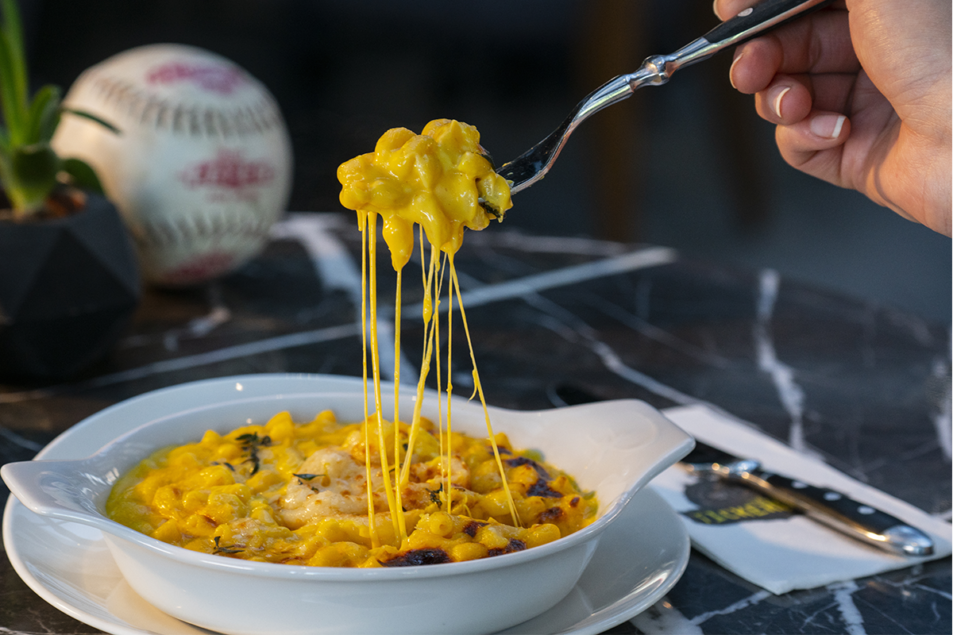
The innovation and research and development team at Danone North America, White Plains, NY, is looking for technologies to deliver more functionality to plant-based cheese alternatives, replicating the stretch and melting properties of traditional shredded or sliced cheeses such as mozzarella or cheddar. The company said it is interested in such solutions as plant-based extrusion, microbial fermentation and cell-culturing. Applicants should have proof of principle and prototypes.
Givaudan, Vernier, Switzerland, seeks to collaborate with science-driven startups developing natural ingredient solutions that support immunity, energy and sleep. Applicants must have proof of principle and prototypes, and the company prefers to work with startups that have clinical backing.
“Creative thinking that leads to true innovation is reliant on collaboration and co-creation, and we have found that this mentality works beautifully between Givaudan and startup companies,” said Fabio Campanile, global head of science and technology, taste and wellbeing at Givaudan. “Together, we’re able to get further faster, and often better. We’ve now partnered with Future Food-Tech for a number of years and know that this is the place to pose a challenge focused on the development of ingredients that help boost immunity, mind, energy and sleep.”
Technology companies led a rally on Wall Street that powered the S&P 500 to an all-time high and gave the index its best weekly gain since February.
The S&P 500 rose 1{1b90e59fe8a6c14b55fbbae1d9373c165823754d058ebf80beecafc6dee5063a}, enough to recoup its losses from a day earlier. The benchmark index closed higher four of the last five days, finishing 3.8{1b90e59fe8a6c14b55fbbae1d9373c165823754d058ebf80beecafc6dee5063a} higher for the week.
The Dow Jones Industrial Average rose 0.6{1b90e59fe8a6c14b55fbbae1d9373c165823754d058ebf80beecafc6dee5063a} and the Nasdaq composite gained 0.7{1b90e59fe8a6c14b55fbbae1d9373c165823754d058ebf80beecafc6dee5063a}, both recovering from declines in the early going. Smaller-company stocks lagged the broader market, leaving the Russell 2000 index 0.4{1b90e59fe8a6c14b55fbbae1d9373c165823754d058ebf80beecafc6dee5063a} lower.
A late wave of buying solidified the gains for the market, which had wavered between small gains and losses in morning trading after the government reported another big rise in inflation last month.
Political Cartoons
The Bureau of Labor Statistics said prices for U.S. consumers jumped 6.8{1b90e59fe8a6c14b55fbbae1d9373c165823754d058ebf80beecafc6dee5063a} in November compared with a year earlier. Surging costs for food, energy, housing and other items have left Americans enduring their highest annual inflation rate since 1982. Core prices, which exclude food and energy, rose 4.9{1b90e59fe8a6c14b55fbbae1d9373c165823754d058ebf80beecafc6dee5063a} year over year.
Still, markets were relieved to see that the report was in line with expectations.
“Many have felt the effects of inflation in their day-to-day, so this likely isn’t a huge shocker to the market,” said Mike Loewengart, managing director, investment strategy at E-Trade.
The S&P 500 rose 44.57 points to 4,712.02, a new high. It set its previous record high on Nov. 18.
The Dow gained 216.30 points to 35,970.99. The tech-heavy Nasdaq rose 113.23 points to 15,630.60. The Russell 2000 fell 8.40 points to 2,211.81. The indexes all posted weekly gains.
The latest inflation data comes ahead of the Federal Reserve’s two-day meeting of policymakers next week. Rising inflation has prompted the central bank to speed up the pace at which it trims its bond purchases, which have helped keep interest rates low.
Federal Reserve Chair Jay Powell has suggested the central bank could move more quickly to pare back, or taper, the amount of bonds it’s been purchasing each month to keep long-term interest rates low.
Analysts say the elevated inflation figures ramp up the pressure on the Fed to follow through on Powell’s comments. Many investors also expect the Fed to start raising interest rates from current ultra-low levels starting in the middle of next year.
“The inflation print from this morning will reinforce the Fed’s resolve to accelerate tapering. With the strength in the economic recovery, it is time to take the crutches away,” said Anu Gaggar, global investment strategist for Commonwealth Financial Network.
Apart from a decline Thursday, stocks have bounced back this week following two weeks of volatile trading that left the S&P 500 with back-to-back weekly losses. The index has now recovered most of the losses after the discovery of the omicron variant of COVID-19 was announced last month. It’s now up 25.5{1b90e59fe8a6c14b55fbbae1d9373c165823754d058ebf80beecafc6dee5063a} for the year.
Investors’ worries over omicron eased this week amid encouraging signs that the variant may be less dangerous than delta. Pfizer said this week that its lab tests suggest the drugmaker’s COVID-19 boosters provide protection against the new strain.
More than 70{1b90e59fe8a6c14b55fbbae1d9373c165823754d058ebf80beecafc6dee5063a} of the stocks in the S&P 500 rose, with technology companies doing most of the heavy lifting. Business software maker Oracle surged 15.6{1b90e59fe8a6c14b55fbbae1d9373c165823754d058ebf80beecafc6dee5063a} for the biggest gain in the S&P 500 after reporting strong quarterly results. Microsoft and Apple each rose 2.8{1b90e59fe8a6c14b55fbbae1d9373c165823754d058ebf80beecafc6dee5063a}.
Makers and sellers of household goods also helped lift the S&P 500. Costco climbed 6.6{1b90e59fe8a6c14b55fbbae1d9373c165823754d058ebf80beecafc6dee5063a}, while Coca-Cola rose 2.6{1b90e59fe8a6c14b55fbbae1d9373c165823754d058ebf80beecafc6dee5063a}.
Energy futures closed higher. The price of U.S. crude oil rose 1{1b90e59fe8a6c14b55fbbae1d9373c165823754d058ebf80beecafc6dee5063a}. That helped give a modest boost to energy sector stocks in the S&P 500. Devon Energy rose 2.6{1b90e59fe8a6c14b55fbbae1d9373c165823754d058ebf80beecafc6dee5063a}.
The yield on the 10-year Treasury note fell to 1.48{1b90e59fe8a6c14b55fbbae1d9373c165823754d058ebf80beecafc6dee5063a} from 1.51{1b90e59fe8a6c14b55fbbae1d9373c165823754d058ebf80beecafc6dee5063a} just before the inflation report came out. The yield on the two-year note dropped to 0.66{1b90e59fe8a6c14b55fbbae1d9373c165823754d058ebf80beecafc6dee5063a}.
Copyright 2021 The Associated Press. All rights reserved. This material may not be published, broadcast, rewritten or redistributed.
WASHINGTON — Lawmakers of both parties came out swinging in a hearing on Wednesday with Adam Mosseri, the head of Instagram, expressing deep skepticism and anger toward the company for not doing enough to protect young users.
In a hearing held by a Senate subcommittee on consumer protection, lawmakers grilled Mr. Mosseri on internal research leaked by a whistle-blower that showed Instagram had a toxic effect on some teenagers. They pressed him to commit to share data with researchers on algorithmic ranking systems and to support legislation for stronger privacy and security protections for children online.
Even Instagram’s announcements this week on new safety tools for children were too little and too late, they said.
“Facebook’s own researchers have been warning management, including yourself, Mr. Mosseri, for years,” said Senator Richard Blumenthal, Democrat of Connecticut and chairman of the subcommittee. “Parents are asking, what is Congress doing to protect our kids and the resounding bipartisan message from this committee is that legislation is coming. We can’t rely on self-policing.”
The hearing is part of a growing effort in Washington to rein in the power of Silicon Valley’s biggest companies. Antitrust regulators are seeking to break up Google and Meta, the parent company of Facebook and Instagram, and lawmakers have introduced dozens of data privacy, speech and competition bills.
Calls for legislative changes have intensified in recent weeks, after a whistle-blower at Facebook leaked internal research that said Instagram led one out of three teenagers to feel worse about their body image and for as many as 16 percent of some teenagers in Britain to have thoughts of suicide. The documents obtained by the whistle-blower, Frances Haugen, often contradicted public statements made by Meta officials, who have long underplayed or rebutted criticism that Instagram harms the mental and emotional well-being of younger users.
“You better tell the truth,” Senator Amy Klobuchar, a Democrat of Minnesota, told Mr. Mosseri. “You’re under oath.”
Mr. Mosseri, 38, was appearing before Congress for the first time. He is a longtime executive at Facebook and is considered a close lieutenant of the company’s chief executive, Mark Zuckerberg. He joined the company in 2008 as a designer and gradually rose in the ranks to run the News Feed, a central feature of the Facebook app. In October 2018, he was named head of Instagram, weeks after the sudden resignations of the app’s founders, Kevin Systrom and Mike Krieger.
He told lawmakers that Instagram often had a positive role in the lives of teenagers, such as by helping them establish connections during difficult times. He tried to direct attention at rivals, noting that more teenagers use TikTok and YouTube. He also acknowledged the skepticism among members of Congress toward Meta.
“I recognize that many in this room have deep reservations about our company,” Mr. Mosseri said. “But I want to assure you that we do have the same goal. We all want teens to be safe online.”
On Tuesday, Instagram announced new safety features for children. Mr. Mosseri mentioned those changes in the hearing, which include tools like a “take a break” function that is meant to help limit time spent online. (TikTok has a similar function that appears when users are spending too much time on the app.)
But Senator Marsha Blackburn of Tennessee, the ranking Republican member of the subcommittee, said even the basic promises of privacy and security from the company had failed users.
This week, her staff set up an experimental account for a fictional 15-year-old and were surprised to find the profile automatically set to public exposure. Instagram says teenage accounts automatically default to the private setting.
Mr. Mosseri acknowledged the error and said Ms. Blackburn’s office exposed a flaw in Instagram’s controls that sets teenage accounts that were created on a web browser — and not on a mobile app — to public. “We will correct that,” Mr. Mosseri said.
Mr. Blumenthal’s office has received hundreds of calls and emails from parents about their negative experiences with Instagram, he has said. One parent recounted how her daughter’s interest in fitness on Instagram led the app to recommend accounts on extreme dieting, eating disorders and self-harm.
Mr. Blumenthal has homed in on the algorithms, which he called “800-pound gorillas in black boxes,” that push such recommendations.
Lawmakers, including Mr. Blumenthal and Ms. Blackburn, have proposed stronger data privacy rules aimed at protecting children and greater enforcement of age restrictions. They have also called for young users to be able to delete information online. Lawmakers have pursued similar legislation before, with little success. Though lawmakers often show bipartisan unity in the hearings, dozens of data privacy bills have been stymied by intense industry lobbying and partisan disagreement over how stringent laws should be.
Senator John Thune, a Republican of South Dakota, has introduced a bill that would force companies to reveal more about their algorithmic ranking system. He asked if Instagram would allow users to rank their content chronologically, instead of through opaque decisions based purely on engagement.
Mr. Mosseri said the company was working on the feature, which could be available next year.
Though Mr. Mosseri repeated his support for regulations, he demurred when asked about specific proposals. He said he hadn’t read a bill introduced by Mr. Blumenthal and other lawmakers that could hold Meta liable for hosting harmful content. He wouldn’t commit to give up completely on the idea of building a version of the Instagram app for users under the age of 13. And he didn’t directly answer questions as to whether victims should be able to sue Meta for hosting sex-trafficking content.
Child advocacy groups said Mr. Mosseri failed to provide any greater assurances that Instagram would prioritize child safety.
“Today’s hearing was just more of the same: evasions, empty promises, and too-little, too-late gestures aimed at forestalling congressional action instead of meaningfully addressing Instagram’s harmful business model and design choices,” said Josh Golin, executive director of Fairplay.
Leaders of the subcommittee said they would hold additional hearings, which may include more executives of Meta. Mr. Blumenthal said Mr. Mosseri’s vague commitment for “directional” support on laws “doesn’t cut it.”
“This industry has said it is in favor of government regulation but they have opposed specific measures with armies of lawyers and lobbyists and tons of money,” Mr. Blumenthal said.
BEIJING (AP) — Asian stock markets followed Wall Street lower Friday as a rally cooled and investors waited for U.S. inflation data that might influence a Federal Reserve decision on when to roll back economic stimulus.
Shanghai, Tokyo, Hong Kong and Sydney retreated.
Wall Street’s benchmark S&P 500 index fell after three days of gains. More than three-quarters of companies in the index closed lower.
Investors looked ahead to U.S. consumer price data for November. Fed officials, due to meet next week, said earlier they were ready to take action if needed to cool inflation, which hit a 30-year high in October.
Political Cartoons
Traders were “potentially taking some risks off the table” while they wait for the numbers, said Yeap Jun Rong of IG in a report.
The Shanghai Composite Index lost 0.3{1b90e59fe8a6c14b55fbbae1d9373c165823754d058ebf80beecafc6dee5063a} to 3,662.72 and the Nikkei 225 in Tokyo shed 0.4{1b90e59fe8a6c14b55fbbae1d9373c165823754d058ebf80beecafc6dee5063a} to 28,609.84. The Hang Seng in Hong Kong retreated 0.5{1b90e59fe8a6c14b55fbbae1d9373c165823754d058ebf80beecafc6dee5063a} to 24,138.40.
The Kospi in Seoul gave up 0.6{1b90e59fe8a6c14b55fbbae1d9373c165823754d058ebf80beecafc6dee5063a} to 3,011.44 and Sydney’s S&P-ASX 200 was 0.5{1b90e59fe8a6c14b55fbbae1d9373c165823754d058ebf80beecafc6dee5063a} lower at 7,346.00.
New Zealand and Southeast Asian markets also declined.
On Wall Street, the S&P 500 fell 0.7{1b90e59fe8a6c14b55fbbae1d9373c165823754d058ebf80beecafc6dee5063a} to 4,667.45. The Dow Jones Industrial Average slipped less than 1 point to 35,754.69. The Nasdaq lost lost 1.7{1b90e59fe8a6c14b55fbbae1d9373c165823754d058ebf80beecafc6dee5063a} to 15,517.37.
The S&P 500 had gained 3.6{1b90e59fe8a6c14b55fbbae1d9373c165823754d058ebf80beecafc6dee5063a} over the previous three days after the chief White House medical adviser said the omicron variant might not be as dangerous as the earlier delta. That eased fears of more restrictions on travel and business.
Technology stocks and a mix of retailers and other companies that rely on direct consumer spending weighed the most on the S&P 500. Chipmaker Nvidia fell 3.4{1b90e59fe8a6c14b55fbbae1d9373c165823754d058ebf80beecafc6dee5063a}, while Tesla slid 6.1{1b90e59fe8a6c14b55fbbae1d9373c165823754d058ebf80beecafc6dee5063a} for the biggest drop in the index.
Travel-related companies slipped after spending the last few days gaining ground. Carnival fell 1.7{1b90e59fe8a6c14b55fbbae1d9373c165823754d058ebf80beecafc6dee5063a} and United Airlines fell 1.8{1b90e59fe8a6c14b55fbbae1d9373c165823754d058ebf80beecafc6dee5063a}.
Health-related stocks rose. Pfizer, which is touting the potential benefits of a vaccine booster against the omicron variant, rose 1.3{1b90e59fe8a6c14b55fbbae1d9373c165823754d058ebf80beecafc6dee5063a}.
The Labor Department reported that the number of Americans applying for unemployment benefits plunged last week to the lowest level in 52 years.
In energy markets, benchmark U.S. crude gained 7 cents to $71.01 per barrel in electronic trading on the New York Mercantile Exchange. The contract fell $1.42 on Thursday to $70.94. Brent crude, the price basis for international oils, advanced 8 cents to $74.50 per barrel in London. It lost $1.40 the previous session to $74.42.
The dollar was little-changed at 113.49 yen. The euro gained to $1.1301 from $1.1289.
Copyright 2021 The Associated Press. All rights reserved. This material may not be published, broadcast, rewritten or redistributed.
SAN JOSE, Calif. — For the six days that Elizabeth Holmes, the founder of the failed blood-testing start-up Theranos, took the stand in her fraud trial, she blamed others, accused a former boyfriend of abusing and controlling her, and reframed her actions as trying to do good for her company.
On Tuesday, Ms. Holmes capped her defense with flat denials.
“I don’t think I did that,” she said in response to a question about whether she had minimized the findings of a devastating regulatory inspection at Theranos. She then blamed her company’s lawyers for “doing a lot of the talking in that meeting.”
The comments ended Ms. Holmes’s main testimony, which stood out as the rarest of rarities. Few technology executives, let alone a female tech executive, are ever charged with criminal fraud. Even fewer take the stand to defend themselves. Her time on the stand, which is likely to formally finish on Wednesday, was the climax to a trial that has captivated the business world and been held up as a parable of Silicon Valley’s fake-it-till-you-make-it culture on overdrive.
Ms. Holmes, 37, has pleaded not guilty to 11 counts of fraud for claims she made as chief executive of Theranos, which she founded in 2003. If convicted, she faces up to 20 years in jail.
Her trial is now moving into its end stage. Either side may call final witnesses over the coming days, followed by closing arguments and detailed instructions to jurors for their deliberations on a verdict.
“The jury got to know her over six days,”Jeffrey Cohen, an associate professor at Boston College Law School, said of Ms. Holmes. “If the defense is successful, that might be the decision that will make the difference.”
For most of the proceedings, the jury heard witnesses testify about the details of Ms. Holmes’s alleged fraud. Theranos rose to prominence, raising $945 million in funding, by claiming that its revolutionary machines could perform hundreds of tests using only a tiny drop of blood. The hype made Ms. Holmes a fixture on magazine covers that hailed her as the next Steve Jobs.
But a 2015 expose in The Wall Street Journal exposed problems with Theranos’s blood tests, kicking off a downward spiral of regulatory crackdowns and lawsuits. The company dissolved in 2018, and Ms. Holmes was indicted.
Who’s Who in the Elizabeth Holmes Trial
Erin Woo📍Reporting from San Jose, Calif.
Who’s Who in the Elizabeth Holmes Trial
Erin Woo📍Reporting from San Jose, Calif.
Carlos Chavarria for The New York Times
Elizabeth Holmes, the disgraced founder of the blood testing start-up Theranos, stands trial for two counts of conspiracy to commit wire fraud and nine counts of wire fraud.
Here are some of the key figures in the case →
Who’s Who in the Elizabeth Holmes Trial
Erin Woo📍Reporting from San Jose, Calif.
Stephen Lam/Reuters
Holmes founded Theranos in 2003 as a 19-year-old Stanford dropout. She raised $945 million from investors and was crowned the world’s youngest billionaire, but has been accused of lying about how well Theranos’s technology worked. She has pleaded not guilty.
Who’s Who in the Elizabeth Holmes Trial
Erin Woo📍Reporting from San Jose, Calif.
Justin Sullivan/Getty Images
Ramesh Balwani, known as Sunny,was Theranos’s president and chief operating officer from 2009 through 2016 and was in a romantic relationship with Holmes. He has also been accused of fraud and may stand trial next year. He has pleaded not guilty.
Who’s Who in the Elizabeth Holmes Trial
Erin Woo📍Reporting from San Jose, Calif.
Jefferson Siegel for The New York Times
David Boies, a prominent litigator, represented Theranos as its lawyer and served on its board.
He tried to shut down whistle-blowers and reporters who questioned the company’s business practices.
Who’s Who in the Elizabeth Holmes Trial
Erin Woo📍Reporting from San Jose, Calif.
Getty Images
The journalist John Carreyrou wrote stories exposing fraudulent practices at Theranos.
His coverage for The Wall Street Journal helped lead to the implosion of Theranos.
Who’s Who in the Elizabeth Holmes Trial
Erin Woo📍Reporting from San Jose, Calif.
Jeff Kravitz/FilmMagic, via Getty Images
Tyler Shultz and Erika Cheung are former Theranos employees and were whistle-blowers. They worked at the start-up in 2013 and 2014.
Shultz is a grandson of George Shultz, a former secretary of state who was on the Theranos board.
Who’s Who in the Elizabeth Holmes Trial
Erin Woo📍Reporting from San Jose, Calif.
Eric Thayer for The New York Times
James Mattis, a retired four-star general, was a member of Theranos’s board.
He went on to serve as President Donald J. Trump’s secretary of defense.
Who’s Who in the Elizabeth Holmes Trial
Erin Woo📍Reporting from San Jose, Calif.
Edward Davila, a federal judge for the Northern District of California, will oversee the case.
Kevin Downey, a partner at the Washington law firm Williams & Connolly, is the lead lawyer for Holmes.
Robert Leach, an assistant United States attorney for the Northern District of California, will lead the prosecution for the government, along with other prosecutors from the U.S. attorney’s office.
Read more about Elizabeth Holmes:
Since her trial began in September, prosecutors have called dozens of witnesses, including former board members, lab directors, employees, investors, patients and business partners. They have revealed the details of falsified documents, outlandish financial projections, unrealistic promises and faked demonstrations at Theranos. Witnesses often spent hours on the tedious minutiae of finance, chemistry, technology and phlebotomy.
Much of the case against Ms. Holmes has relied on her emails and text messages to tie her directly to the company’s problems. Prosecutors must convince the jury that Ms. Holmes knew about the problems and failed to disclose them to the people pouring money into Theranos and to the patients relying on its blood tests to make medical decisions.
In her defense, Mr. Holmes’s lawyers tried showing that the witnesses’ stories were more complicated than they had let on. Defense lawyers hit investors for not doing enough research on Theranos before investing. And they tried blaming lab directors for problems with the accuracy of Theranos’s tests.
Through it all, Ms. Holmes sat up stick-straight in her chair and stared straight ahead, her expression obscured by a mask.
After prosecutors rested their case last month, and before calling Ms. Holmes to the stand, her lawyers introduced brief testimony from a biotechnology executive who joined Theranos’s board of directors after it came under fire from the media and regulators.
Ms. Holmes then offered a variety of excuses for Theranos’s shortcomings. She said others had misinterpreted her statements about what Theranos’s technology could do. She said that, until a 2015 regulatory inspection revealed a host of problems and forced Theranos to void its tests, she believed its tests worked. She said she hadn’t been qualified to run a lab and had relied on the statements of others.
She also admitted to adding the logos of pharmaceutical companies to a series of reports, which implied the drug makers had endorsed Theranos’s technology when they hadn’t. For this, she expressed regret.
Her direct testimony ended with a bombshell revelation that Ramesh Balwani, her former boyfriend, business partner and alleged co-conspirator, emotionally and physically abused her. Through tears, she testified that Mr. Balwani had controlled every aspect of her life — including her schedule, diet and presentation — and had even forced her to have sex with him against her will.
On cross-examination, she choked up again when prosecutors had her read text messages with Mr. Balwani that showed a more affectionate side of their relationship. Prosecutors elicited several more mea culpas from Ms. Holmes, including regret over how she handled the Journal exposé and a positive Fortune cover story about the company that was later heavily corrected.
This week, prosecutors homed in on the discrepancies between what Ms. Holmes said in her testimony and what investors said she had told them. Numerous Theranos partners and investors testified that they had believed the company had contracts with the military and deployed its technology in medevacs and on battlefields, for example.
One of the prosecutors, Robert Leach, an assistant U.S. attorney, asked Ms. Holmes different versions of the same question repeatedly to hammer the lack of military contracts. She confirmed that Theranos had not had the contracts.
To show that Theranos was never paid for work with the drug maker GlaxoSmithKline, Mr. Leach also repeatedly asked Ms. Holmes about the lack of revenue, posing the question for each year from 2007 to 2014. Ms. Holmes said no each time.
Ms. Holmes resisted many of Mr. Leach’s lines of questioning by testifying that she didn’t recall or didn’t know. She also tried to dispute details in certain questions.
Ms. Holmes’s lawyers questioned her for a second time Tuesday afternoon with a rapid-fire series of statements meant to undermine Mr. Leach’s points and reiterate her initial testimony. Once again, Ms. Holmes said that Mr. Balwani had created Theranos’s unrealistic financial projections and that Theranos’s scientists had put together reports on its technology.
Until a regulatory inspection revealed deeper problems, she testified, she thought Theranos’s lab was “excellent.” Ms. Holmes also repeatedly stressed her concerns over exposing Theranos’s trade secrets as an excuse for withholding information from investors and partners, testifying again that she worried the company would lose its ability to compete. Discussing Theranos’s use of third-party machines would have violated Theranos’s own trade-secret policy, she said.
Mr. Leach tried knocking down that argument by noting that most of Theranos’s investors and partners had signed nondisclosure agreements that Ms. Holmes expected to be followed.
He further noted that, despite Ms. Holmes’s holding a patent for some technology, a patent did not “necessarily mean the invention described in the patent works.” Mr. Leach asked her if she had created a pill that measures lipids in blood, as described in one Theranos patent.
Ms. Holmes smiled, leaned into the microphone and said, “Not yet.”