
A Quiet Economic Calendar Leaves Omicron News and Sentiment Towards the FED in Focus

A Quiet Economic Calendar Leaves Omicron News and Sentiment Towards the FED in Focus

Tuesday, 14th December

Eurozone Industrial Production (MoM) (Oct)

Wednesday, 15th December

French CPI (MoM) (Nov) Final

French HICP (MoM) (Nov) Final

Spanish CPI (YoY) (Nov) Final

Spanish HICP (YoY) (Nov) Final

Italian CPI (MoM) (Nov) Final

Thursday, 16th December

French Manufacturing PMI (Dec) Prelim

French Services PMI (Dec) Prelim

German Manufacturing PMI (Dec) Prelim

German Services PMI (Dec) Prelim

Eurozone Private Sector PMIs (Dec) Prelim

Eurozone Wages / Trade Data

ECB Policy Decision and Press Conference

Friday, 17th December

German PPI (MoM) (Nov)

German Ifo Business Climate Index (Dec)

Eurozone Inflation (Nov) Final

The Majors

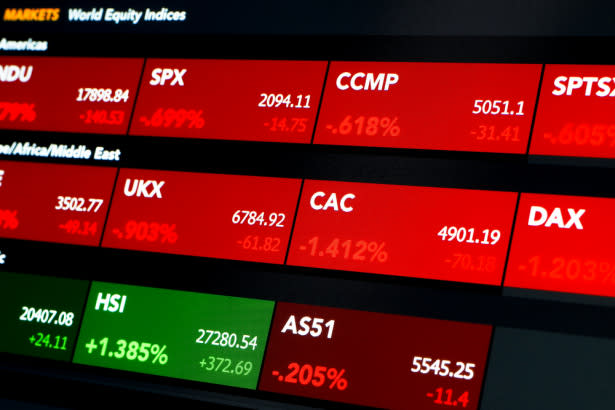
It was a bearish end to the week for the European majors on Friday.

The DAX30 slipped by 0.10{1b90e59fe8a6c14b55fbbae1d9373c165823754d058ebf80beecafc6dee5063a}, with the CAC40 and EuroStoxx600 ending the day down by 0.24{1b90e59fe8a6c14b55fbbae1d9373c165823754d058ebf80beecafc6dee5063a} and by 0.30{1b90e59fe8a6c14b55fbbae1d9373c165823754d058ebf80beecafc6dee5063a} respectively.

Finalized inflation figures from Germany had a muted impact on the majors, with the markets focused on U.S inflation on the day.

Later in the European session, another pickup in inflationary pressure supported a more hawkish set of interest rate projections next week. What remains unclear, however, is how the FED sees inflation and the new Omicron strain impacting growth.

Away from the economic calendar, news updates from labs across the world remained a key area of interest. While early tests showed that vaccine efficacy was materially lower, there were also indications that the new strain was a milder form.

The Stats

It was a quiet day on the Eurozone economic calendar. Finalized German inflation figures were in focus going into the European open.

In November, German consumer prices fell by 0.2{1b90e59fe8a6c14b55fbbae1d9373c165823754d058ebf80beecafc6dee5063a}, which was in line with prelim figures. Consumer prices had risen by 0.5{1b90e59fe8a6c14b55fbbae1d9373c165823754d058ebf80beecafc6dee5063a} in October.

Germany’s annual rate of inflation accelerated from 4.5{1b90e59fe8a6c14b55fbbae1d9373c165823754d058ebf80beecafc6dee5063a} to 5.2{1b90e59fe8a6c14b55fbbae1d9373c165823754d058ebf80beecafc6dee5063a}, which was also in line with prelim figures.

According to Destatis,

  • The inflation rate increased for the 6th time in a row, reaching the highest level recorded in 2021.

  • A higher inflation rate was last recorded in Jun-1992, when the rate of inflation was 5.8{1b90e59fe8a6c14b55fbbae1d9373c165823754d058ebf80beecafc6dee5063a}.

  • Compared with Nov-2020, energy prices were up 22.1{1b90e59fe8a6c14b55fbbae1d9373c165823754d058ebf80beecafc6dee5063a}, with prices for food up 4.5{1b90e59fe8a6c14b55fbbae1d9373c165823754d058ebf80beecafc6dee5063a}.

  • Excluding energy, Germany’s annual rate of inflation stood at 3.4{1b90e59fe8a6c14b55fbbae1d9373c165823754d058ebf80beecafc6dee5063a}.

  • Prices for services increased by 2.9{1b90e59fe8a6c14b55fbbae1d9373c165823754d058ebf80beecafc6dee5063a} compared with the same month a year earlier.

From the U.S

Inflation and consumer sentiment figures were in focus late in the European session.

In November, the U.S core annual rate of inflation picked up from 4.6{1b90e59fe8a6c14b55fbbae1d9373c165823754d058ebf80beecafc6dee5063a} to 4.9{1b90e59fe8a6c14b55fbbae1d9373c165823754d058ebf80beecafc6dee5063a}, which was in line with forecasts. For the month of November, core consumer prices rose by 0.5{1b90e59fe8a6c14b55fbbae1d9373c165823754d058ebf80beecafc6dee5063a}, with consumer prices up 0.8{1b90e59fe8a6c14b55fbbae1d9373c165823754d058ebf80beecafc6dee5063a}.

In spite of the pickup in inflation, consumer sentiment unexpectedly improved in December.

According to prelim figures, the Michigan Consumer Sentiment Index climbed from 67.4 to 70.4 versus a forecasted fall to 67.1. Hopes of a pickup in wage growth amidst rising prices supported improved sentiment.

The Market Movers

For the DAX: It was a mixed day for the auto sector on Friday. Continental rose by 1.10{1b90e59fe8a6c14b55fbbae1d9373c165823754d058ebf80beecafc6dee5063a} to buck the trend.

Daimler tumbled by 13.82{1b90e59fe8a6c14b55fbbae1d9373c165823754d058ebf80beecafc6dee5063a}, however, with Volkswagen and BMW ending the day down by 1.00{1b90e59fe8a6c14b55fbbae1d9373c165823754d058ebf80beecafc6dee5063a} and by 0.73{1b90e59fe8a6c14b55fbbae1d9373c165823754d058ebf80beecafc6dee5063a} respectively.

It was also a mixed day for the banks. Deutsche Bank fell by 0.82{1b90e59fe8a6c14b55fbbae1d9373c165823754d058ebf80beecafc6dee5063a}, while Commerzbank rose by 0.17{1b90e59fe8a6c14b55fbbae1d9373c165823754d058ebf80beecafc6dee5063a}.

From the CAC, it was a bearish day for the banks. Soc Gen and Credit Agricole fell by 0.50{1b90e59fe8a6c14b55fbbae1d9373c165823754d058ebf80beecafc6dee5063a} and by 0.65{1b90e59fe8a6c14b55fbbae1d9373c165823754d058ebf80beecafc6dee5063a} respectively, with BNP Paribas declining by 1.24{1b90e59fe8a6c14b55fbbae1d9373c165823754d058ebf80beecafc6dee5063a}.

The French auto sector had a mixed session, however. Stellantis NV rose by 0.26{1b90e59fe8a6c14b55fbbae1d9373c165823754d058ebf80beecafc6dee5063a}, while Renault ended the day down by 0.45{1b90e59fe8a6c14b55fbbae1d9373c165823754d058ebf80beecafc6dee5063a}.

Air France-KLM and Airbus SE avoided the red, rising by 0.43{1b90e59fe8a6c14b55fbbae1d9373c165823754d058ebf80beecafc6dee5063a} and by 0.08{1b90e59fe8a6c14b55fbbae1d9373c165823754d058ebf80beecafc6dee5063a} respectively.

On the VIX Index

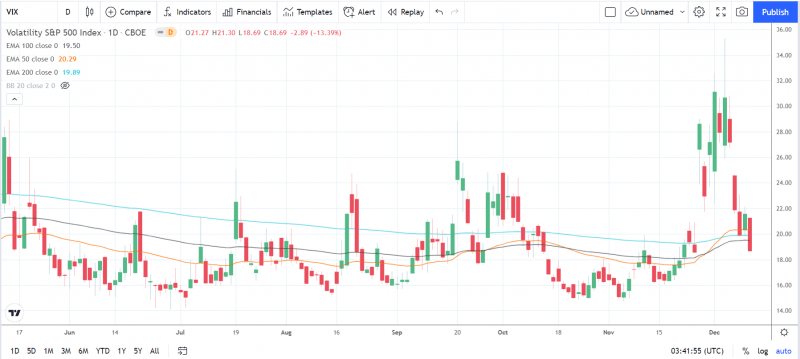
It was back into the red for the VIX on Friday, marking a 4th day in the red for the week.

Reversing an 8.44{1b90e59fe8a6c14b55fbbae1d9373c165823754d058ebf80beecafc6dee5063a} rise on Thursday, the VIX slid by 13.39{1b90e59fe8a6c14b55fbbae1d9373c165823754d058ebf80beecafc6dee5063a} to end the day at 18.69.

The Dow ended the day up by 0.60{1b90e59fe8a6c14b55fbbae1d9373c165823754d058ebf80beecafc6dee5063a}, with the NASDAQ and the S&P500 gaining 0.73{1b90e59fe8a6c14b55fbbae1d9373c165823754d058ebf80beecafc6dee5063a} and by 0.95{1b90e59fe8a6c14b55fbbae1d9373c165823754d058ebf80beecafc6dee5063a} respectively.
The Day Ahead

It’s a quiet day ahead on the Eurozone’s economic calendar. There are no material stats due out of the Eurozone to provide the majors with direction.

From the U.S, there are also no stats to consider, leaving the majors in the hands of OPEC’s monthly report and Omicron news updates.

With the FED in action on Wednesday and the ECB in focus on Thursday, it could be a testy start to the week.

The Futures

In the futures markets, at the time of writing, the Dow Mini was up by 31 points.

For a look at all of today’s economic events, check out our economic calendar.

This article was originally posted on FX Empire

More From FXEMPIRE:

8 rules for saving, borrowing and spending money [Personal Finance]

8 rules for saving, borrowing and spending money [Personal Finance]

The best personal finance advice is tailored to your individual situation. That said, a few rules of thumb can cut through the confusion that often surrounds money decisions and help you build a solid financial foundation.

The following guidelines for saving, borrowing, spending and protecting your money are culled from nearly three decades of writing about personal finance.

1. PRIORITIZE SAVING FOR RETIREMENT

In an ideal world, you’d start saving with your first paycheck and keep going until you’re ready to retire. You also wouldn’t touch that money until retirement. Even if you can’t save 15{1b90e59fe8a6c14b55fbbae1d9373c165823754d058ebf80beecafc6dee5063a} of your pre-tax income for retirement, as recommended by Fidelity and other financial services firms, anything you put aside can help give you a more comfortable future. Aim to take full advantage of any company match you get from a 401(k) at work — that’s free money — and borrow against or cash out retirement funds only as a last resort.

2. SAVE FOR A RAINY DAY

You may have read that you need an emergency fund equal to three to six months of expenses, but it can take years to save that much. That’s too long to put off other priorities, like saving for retirement. A starter emergency fund of $500 can be your first goal, and then you can build it up. While you’re saving, try to create other sources of emergency cash, such as a Roth IRA (you can pull out your contributions at any time without taxes or penalties), space on your credit cards or an unused home equity line of credit.

3. SAVE FOR COLLEGE

Got kids? Open a 529 college savings plan and contribute at least the minimum, which is typically $15 to $25 a month. Retirement savings comes first, but anything you can save will reduce how much your child may need to borrow. Also, research shows the simple act of saving for college increases the chances that a child from a low- to moderate-income family will go to college.

4. BORROW SMART FOR COLLEGE

A college degree can pay off in higher earnings, but lenders may allow you to borrow far more than you can comfortably repay. If you’re borrowing for your own education, consider limiting your total debt to what you expect to make your first year out of school. If you’re a parent borrowing for a child’s education, aim for payments that are no more than 10{1b90e59fe8a6c14b55fbbae1d9373c165823754d058ebf80beecafc6dee5063a} of your after-tax income and that still allow you to save for retirement. If your payments are higher than 10{1b90e59fe8a6c14b55fbbae1d9373c165823754d058ebf80beecafc6dee5063a} of your after-tax income, investigate income-driven repayment plans that could bring down your costs.

5. USE CREDIT CARDS AS A CONVENIENCE

Credit cards offer convenience and can protect you from fraud and disputes with merchants. But credit card interest tends to be high, so don’t carry credit card balances if you can avoid it. If you routinely pay your balances in full, look for a rewards card with a sign-up bonus that returns at least 1.5{1b90e59fe8a6c14b55fbbae1d9373c165823754d058ebf80beecafc6dee5063a} of what you spend.

6. FINANCE YOUR HOME SMARTLY

If you want to be a homeowner, the best time to buy your first home is when you’re financially ready and in a position to stay put for a few years. Opt for a mortgage rate that’s fixed for as long as you plan to remain in the home, and don’t make extra payments against the principal until you’ve paid off all other debt and are on track for retirement.

7. BUY USED VEHICLES AND DRIVE THEM FOR YEARS

Buying a car right now isn’t a great idea; supply-chain kinks and other pandemic-related issues have inflated the cost of both new and used cars. In general, though, buying a used car can save you a ton of money over your driving lifetime, as can driving your car for many years before replacing it. These days, a well-maintained car can last 200,000 miles without major issues, according to J.D. Power. This means you can get roughly 13 years of service out of your car if you drive it 15,000 miles a year. Ideally, you would pay cash for cars. If you need to borrow, try to limit the term of your loan to a maximum of five years.

8. INSURE AGAINST CATASTROPHIC EXPENSES

Use insurance to protect yourself against catastrophic expenses rather than smaller costs that you can easily pay out of pocket. If you have sufficient savings, consider raising the deductibles on your policies to save money on premiums. Be careful about high-deductible health insurance policies, though. Having a high deductible could cause you to put off medical care, and it’s better to err on the side of safety when it comes to health.

This column was provided to The Associated Press by the personal finance site NerdWallet. The content is for educational and informational purposes and does not constitute investment advice. Liz Weston is a columnist at NerdWallet, a certified financial planner and author of “Your Credit Score.” Email: lweston@nerdwallet.com. Twitter: @lizweston.

RELATED LINK:

NerdWallet: Personal finance defined: The guide to maximizing your money https://bit.ly/nerdwallet-personal-finance-defined

trip insurance: Omicron and Travel: So, now do I need trip insurance?

trip insurance: Omicron and Travel: So, now do I need trip insurance?
While the pandemic has depressed travel, it may have encouraged travel insurance, say those in the industry.

“The biggest question we get from customers is: ‘What happens if I get COVID during travel and what if I have to quarantine?’” said Jeremy Murchland, the president of Seven Corners, a travel insurance management company. “COVID has created a much broader awareness of travel insurance.”

But will it help you in light of the new omicron variant, which has already led to new travel restrictions and requirements? In the early days of the pandemic, travel insurance largely failed to protect travelers who wanted or needed to cancel as the world shut down.

The following are answers to common questions about travel insurance now.

Does travel insurance cover COVID-19, including the new omicron variant?
For the most part, yes, travel insurance policies now treat COVID-19 in all its variants — including omicron — like any other medical emergency.

“Consumers should know that most travel insurance plans with medical benefits now treat COVID like any other illness that you could contract while traveling or that could prohibit you from going on your trip,” said Carol Mueller, a vice president of Berkshire Hathaway Travel Protection. “If you become ill before your trip, you’ll need a doctor’s note confirming your illness and that you are unable to travel in order to be eligible for benefits. The benefits are the same regardless of whether you contract omicron, another variant of COVID or any illness for that matter.”

Buyers should read the policies carefully and look out for those that exclude pandemics, COVID-19 and its variants. To make a claim, you must have had travel insurance before becoming ill.

“We always say, you can’t buy auto insurance after you’ve already had an accident,” said Meghan Walch, the product manager of InsureMyTrip, an insurance sales site. “It is designed for unforeseen issues. You have to purchase it before an event.”


I am traveling internationally. If borders close because of omicron, am I covered through travel insurance?


No, most policies do not cover you if your foreign destination closes its borders to visitors, as Israel did recently. With a few exceptions, that also goes for a government-issued travel warning to a destination, which is generally not a covered reason to make a claim.


Given the added uncertainties of omicron, should I consider a ‘Cancel for Any Reason’ policy?


Cancel for Any Reason, or CFAR, provisions would allow you to claim some of your nonrefundable costs if you decide not to go on a trip for any reason, including border closures or fear of contracting COVID-19. The rub is that this form of insurance — in addition to being more expensive — must generally be purchased within a few weeks of booking the trip and will return only 50{1b90e59fe8a6c14b55fbbae1d9373c165823754d058ebf80beecafc6dee5063a} to 75{1b90e59fe8a6c14b55fbbae1d9373c165823754d058ebf80beecafc6dee5063a} of nonrefundable trip costs.

“Most travel insurance policies do not cover you for wanting to cancel out of fear of COVID. We say this 10 times a week,” said Sarah Groen, the owner of the agency Bell and Bly Travel.

She counsels clients to consider their worst fears — illness, for example, or quarantine — in troubleshooting travel insurance.

“We’ve become like therapists,” she said.

What about quarantine and medical expenses?
Make sure the policy you choose covers these. In the case of medical coverage, check with your regular health insurer; many policies will not cover you abroad, which is an additional reason to consider coverage if you are traveling internationally.

“What travel insurance can do is cover additional hotel stays if you are able to self-quarantine and additional airfare when you’re able to come home,” said Megan Moncrief, the chief marketing officer for Squaremouth, a travel insurance sales site.

She added that most policies will extend to seven days past your originally scheduled return date, effectively covering only about seven days in case of quarantine.

Do some destinations require travel insurance?
Yes, primarily to cover medical care or quarantine accommodations in the event that a traveler tests positive for COVID-19. For example, Singapore requires medical insurance with a minimum coverage of 30,000 Singapore dollars, or about $22,000. Fiji requires travel insurance to cover potential treatment for COVID-19, and makes it available from about $30. Some destinations, such as Anguilla, recommend rather than require travel insurance. InsureMyTrip.com has a page devoted to countries that require travel insurance.

It bears thinking about what it would take to get home for treatment should you contract COVID-19 abroad. Thailand, for example, requires travelers to have medical insurance with the minimum coverage of $50,000.

“Evacuation out of Thailand would be higher,” said Sasha Gainullin, the CEO of Battleface, a travel insurance startup that unbundles benefits.

In the case of a Thailand trip, he advised taking medical coverage up to $100,000 for treatment locally and $500,000 for medical evacuation and repatriation.

Do I need insurance if I have bookings with flexible cancellation policies?
Probably not, if you have hotel reservations that allow free cancellation 24-48 hours in advance. The same with flights; if your flight is changeable and will provide a voucher or refund in case of cancellation, you’re covered.


I have rented a house with restrictive cancellation penalties. Can I insure against those?


Yes. Vacation home rentals from Airbnb and the like can be treated just like other accommodations that do not offer refunds. In this case, you would want to get a policy in the amount you would forfeit if you had to cancel for a covered reason like illness. Again, fear of travel is not a covered reason; for that, you would need CFAR.

3 Side Jobs That Can Make an Extra $1,000 a Month in Little Time

3 Side Jobs That Can Make an Extra ,000 a Month in Little Time
  • You don’t have to choose between a side gig and family time. Here are four side gigs that take only 10 hours a week or less.
  • You can make up to $300 narrating a three-hour audiobook, and up to $140 per hour organizing closets.
  • You can also make up to $100 per post as a nano-influencer with less than 1,000 followers.
  • Read more stories from Personal Finance Insider.

Whether you’re short on your holiday shopping budget or looking to quickly build an emergency savings fund, it’s always nice to have a little extra cash on hand.

It may be daunting to pick up a side gig, especially if your day job is already demanding. If your side gig causes you to spend less time with your kids, partner, or friends, it’s easy to become resentful.

That’s why we found three side jobs that can earn you $1,000, working 10 hours per week or less.

1. Audiobook narrator

It’s time to pour yourself a cup of tea and find a quiet room to read a book. Sounds like a relaxing job, right?

On sites like ACX or Voices.com, audiobook narrators can earn up to $300 for a three-hour recording. You’ll need a podcasting microphone, which you can find on Amazon for $47. 

Once you get the hang of audiobook narration, you can hone your skills and become a voice actor. According to Voices.com, a trained voice actor can make up to $10,000 for a single national TV commercial.

2. Closet organizer

Can’t stop scrolling on #CleanTok? Put those cleaning and organizing skills to good use by helping people declutter their closets. Even Kim Kardashian West got her start as a celebrity closet organizer.

Closet organizers get paid $70 to $140 per hour, and, on top of that, you can negotiate a package deals.

Let’s say a client has a large garage packed with clutter, plus a closet full of clothes that don’t fit anymore. You can negotiate a $400 flat fee to work on both areas, plus throw in extra services like photo digitization or scrapbooking to help your client take care of their most precious memories.

If your client has good taste in clothes, you can offer to take their clothes to a consignment store or start an eBay page for them for an extra charge.

3. Content creator

You don’t need to have a ton of followers to cash in on the content creator train. 

These days, brands are relying on customers who buy their products to take great photos that they can repurpose on social media. In the age of digital media, brands need user-generated content (UGC) that looks natural and organic.

There are sites like Izea.com that connect brands with content creators (a fancy word for someone who takes pictures while using a product) to get UGC.

Depending on the brands you connect with, all you need to do is take a photo or video of a shirt, toothbrush, cookies, or whatever the brand sells.

While it definitely pays to have a large following, Izea’s FAQ page says it’s also paying nano-influencers who have anywhere from 100 to 1,000 followers up to $100 per post.

Insurance rates soar to cover M&A boom

Insurance rates soar to cover M&A boom

(Reuters) — The cost of insurance to cover problems involving mergers and acquisitions has nearly doubled in just two years, underwriters and brokers say, after an explosion of global dealmaking during the COVID-19 pandemic.

Potential buyers take out insurance to protect against issues such as misrepresentation by a target of its performance or order book, while sellers buy cover to ensure a clean exit.

After years of falling rates due to tough competition, 2021 was the first in which M&A insurance rates have risen since the market began more than two decades ago, said Andrew Johnson, director of M&A at broker Paragon.

Some in the insurance industry said a lack of due diligence has led to a spike in claims, while the M&A boom has translated into steeply higher premiums.

“From August/September last year, we saw incredible deal volumes. That has encouraged insurers to raise rates,” said James Swan, a partner at insurance broker McGill and Partners.

Global M&A activity hit a record $4.33 trillion in the first nine months of 2021, leaping 97{1b90e59fe8a6c14b55fbbae1d9373c165823754d058ebf80beecafc6dee5063a} from $2.2 trillion scored in the first nine months of a pandemic-hit 2020, as companies positioned themselves for life after COVID-19.

The M&A insurance market has risen to more than $5 billion from less than $3 billion a year ago, Mr. Swan said, adding that a contract he was working on in Europe was priced at around 1.9{1b90e59fe8a6c14b55fbbae1d9373c165823754d058ebf80beecafc6dee5063a} of the cover available, up from around 1{1b90e59fe8a6c14b55fbbae1d9373c165823754d058ebf80beecafc6dee5063a} a couple of years ago.

Caroline Rowlands, an executive director at insurance broker Howden, said rates for some deals in Britain had risen to 1.5{1b90e59fe8a6c14b55fbbae1d9373c165823754d058ebf80beecafc6dee5063a} of the cover provided, from 1{1b90e59fe8a6c14b55fbbae1d9373c165823754d058ebf80beecafc6dee5063a} previously.

And William Monat, global head of transactional liability at insurer Mosaic, said rates for some U.S. deals had risen to around 4{1b90e59fe8a6c14b55fbbae1d9373c165823754d058ebf80beecafc6dee5063a} of cover from below 3{1b90e59fe8a6c14b55fbbae1d9373c165823754d058ebf80beecafc6dee5063a} previously.

Where M&A insurance had previously been bought predominantly by private equity firms, corporates are increasing the amount of cover they buy, industry sources say.

And COVID-19 has led to claims coming through sooner, said Rowan Bamford, president of Liberty Global Transactions Solutions.

“With the pandemic and issues round doing proper diligence on businesses, perhaps there’s been some corner-cutting on process,” he said, adding that buyers were not able to visit businesses easily due to restrictions, while competition for deals may have encouraged haste.

The time to complete due diligence was sometimes compressed by more than half, Liberty said in a recent report.

Adrian Furlonge, partner at Hemsley Wynne Furlonge, said that on a couple of M&A deals, the broker had received notification of a possible claim very soon after closing, suggesting there may have been insufficient research in advance.

“Everybody has been doing too much in too small a timeframe,” Mr. Furlonge said.

Manufacturing and health care are among the sectors that have seen a large number of claims, industry sources said, with workforce and supply chain problems meaning companies could not always produce what they had promised.

Most M&A insurance disputes are settled behind closed doors and only become public if arbitration fails. But that has not yet arisen for claims since the pandemic began, sources said.


Asia Stocks Follow Wall Street Lower as Rally Cools | Business News

Asia Stocks Follow Wall Street Lower as Rally Cools | Business News

By JOE McDONALD, AP Business Writer

BEIJING (AP) — Asian stock markets followed Wall Street lower Friday as a rally cooled and investors waited for U.S. inflation data that might influence a Federal Reserve decision on when to roll back economic stimulus.

Shanghai, Tokyo, Hong Kong and Sydney retreated.

Wall Street’s benchmark S&P 500 index fell after three days of gains. More than three-quarters of companies in the index closed lower.

Investors looked ahead to U.S. consumer price data for November. Fed officials, due to meet next week, said earlier they were ready to take action if needed to cool inflation, which hit a 30-year high in October.

Political Cartoons

Traders were “potentially taking some risks off the table” while they wait for the numbers, said Yeap Jun Rong of IG in a report.

The Shanghai Composite Index lost 0.3{1b90e59fe8a6c14b55fbbae1d9373c165823754d058ebf80beecafc6dee5063a} to 3,662.72 and the Nikkei 225 in Tokyo shed 0.4{1b90e59fe8a6c14b55fbbae1d9373c165823754d058ebf80beecafc6dee5063a} to 28,609.84. The Hang Seng in Hong Kong retreated 0.5{1b90e59fe8a6c14b55fbbae1d9373c165823754d058ebf80beecafc6dee5063a} to 24,138.40.

The Kospi in Seoul gave up 0.6{1b90e59fe8a6c14b55fbbae1d9373c165823754d058ebf80beecafc6dee5063a} to 3,011.44 and Sydney’s S&P-ASX 200 was 0.5{1b90e59fe8a6c14b55fbbae1d9373c165823754d058ebf80beecafc6dee5063a} lower at 7,346.00.

New Zealand and Southeast Asian markets also declined.

On Wall Street, the S&P 500 fell 0.7{1b90e59fe8a6c14b55fbbae1d9373c165823754d058ebf80beecafc6dee5063a} to 4,667.45. The Dow Jones Industrial Average slipped less than 1 point to 35,754.69. The Nasdaq lost lost 1.7{1b90e59fe8a6c14b55fbbae1d9373c165823754d058ebf80beecafc6dee5063a} to 15,517.37.

The S&P 500 had gained 3.6{1b90e59fe8a6c14b55fbbae1d9373c165823754d058ebf80beecafc6dee5063a} over the previous three days after the chief White House medical adviser said the omicron variant might not be as dangerous as the earlier delta. That eased fears of more restrictions on travel and business.

Technology stocks and a mix of retailers and other companies that rely on direct consumer spending weighed the most on the S&P 500. Chipmaker Nvidia fell 3.4{1b90e59fe8a6c14b55fbbae1d9373c165823754d058ebf80beecafc6dee5063a}, while Tesla slid 6.1{1b90e59fe8a6c14b55fbbae1d9373c165823754d058ebf80beecafc6dee5063a} for the biggest drop in the index.

Travel-related companies slipped after spending the last few days gaining ground. Carnival fell 1.7{1b90e59fe8a6c14b55fbbae1d9373c165823754d058ebf80beecafc6dee5063a} and United Airlines fell 1.8{1b90e59fe8a6c14b55fbbae1d9373c165823754d058ebf80beecafc6dee5063a}.

Health-related stocks rose. Pfizer, which is touting the potential benefits of a vaccine booster against the omicron variant, rose 1.3{1b90e59fe8a6c14b55fbbae1d9373c165823754d058ebf80beecafc6dee5063a}.

The Labor Department reported that the number of Americans applying for unemployment benefits plunged last week to the lowest level in 52 years.

In energy markets, benchmark U.S. crude gained 7 cents to $71.01 per barrel in electronic trading on the New York Mercantile Exchange. The contract fell $1.42 on Thursday to $70.94. Brent crude, the price basis for international oils, advanced 8 cents to $74.50 per barrel in London. It lost $1.40 the previous session to $74.42.

The dollar was little-changed at 113.49 yen. The euro gained to $1.1301 from $1.1289.

Copyright 2021 The Associated Press. All rights reserved. This material may not be published, broadcast, rewritten or redistributed.